 how-to
Impact of High Quality Doors on Home Value
Table of Contents
- How High Quality Doors Shape Buyer Perception and First Impressions
- Does a New Front Door Add Value? What the Evidence Shows
- Front Door Replacement Cost and What Drives It
- Entry Door Materials Comparison: Steel, Fiberglass, Wood, and Iron
- The Best Front Door for Resale Value by Project Type
- Energy Efficiency, Security, and Durability That Buyers Notice
- Interior Doors, Appraisal Realities, and Installation Quality
- Conclusion
- Frequently Asked Questions
Last Updated: October 21, 2026
How High Quality Doors Shape Buyer Perception and First Impressions
High quality doors are the first physical thing a buyer touches, and that contact shapes the entire showing. Agents tell us a solid, well-fitted entry door sets an expectation that carries through the walkthrough.
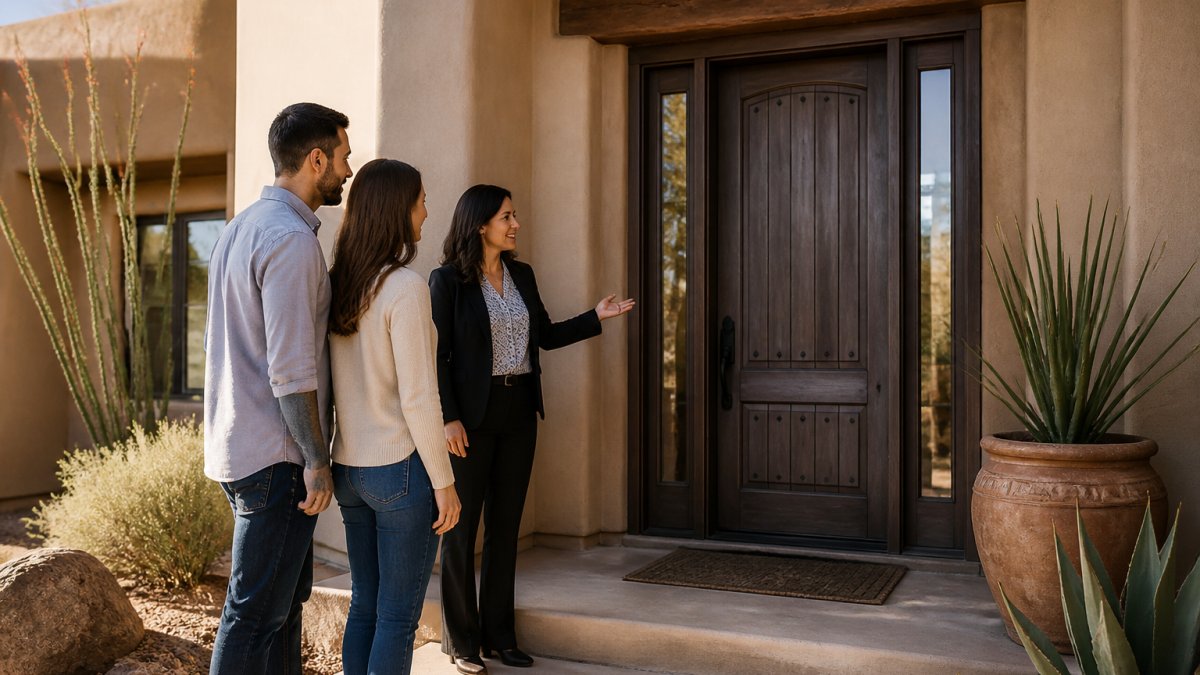
Curb appeal is a buyer's snap judgment about home quality, made before anyone steps inside.
Most guides skip the hard part: doors help perception far more reliably than they help appraisals. Here's how to work both angles.
Curb Appeal Starts at the Entry
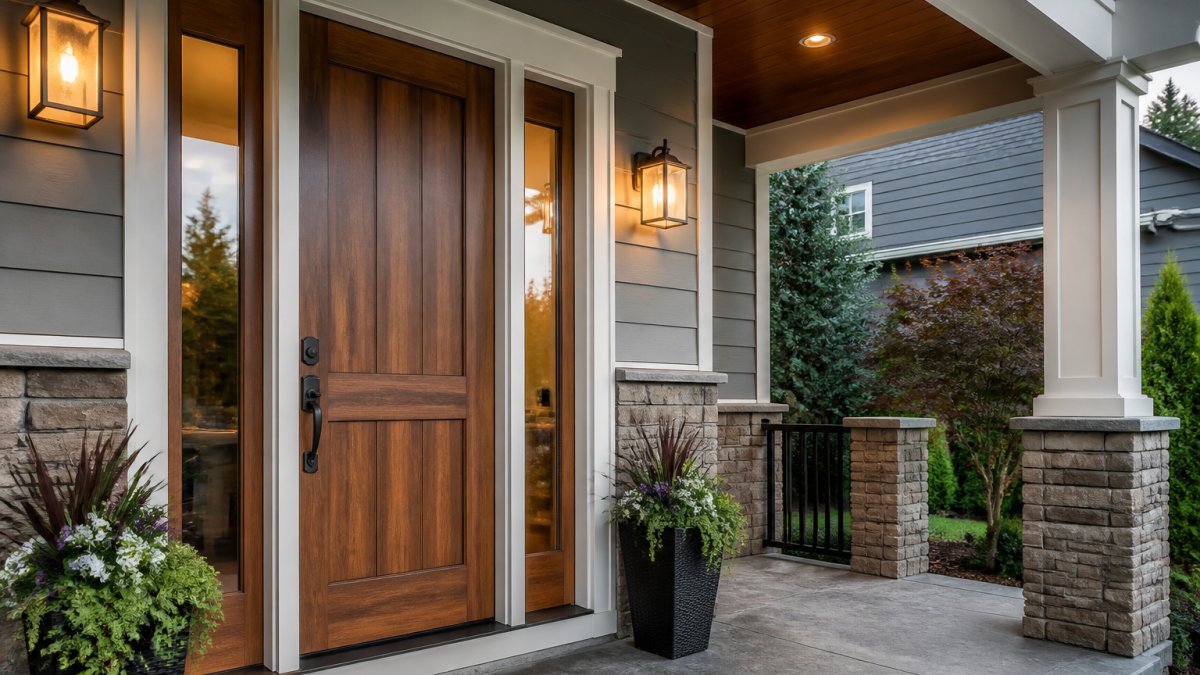
The entry door is the focal point of the facade. Paint, landscaping, and house numbers support it, but the door carries the most visual weight. Buyers read a dark, crisp finish or a clean glass panel as a sign of care.
Three things drive that first impression:
- Color contrast. A black, charcoal, or deep-toned front door against a lighter stucco wall reads as deliberate design.
- Hardware consistency. Matching handle, deadbolt, and kickplate signal a finished job.
- Alignment and swing. A door that hangs square and latches cleanly feels expensive. One that drags feels cheap.
Get those right and the rest of the house gets the benefit of the doubt.
Does a New Front Door Add Value? What the Evidence Shows
A new front door can add value, but the honest answer depends on how you define value. It reliably improves marketability and buyer appeal.
Appraisers measure square footage, condition, and comparable sales. A door replacement counts as a maintenance or cosmetic improvement, not a room addition.
What it does do is shorten time on market. A home that photographs and shows well gets more showings, and competing offers are where resale price actually climbs.
Front Door Replacement Cost and What Drives It
Front door replacement cost varies widely, and anyone quoting a single number without asking about your opening is guessing. Pricing depends on door size, material, glass, hardware, finish, and whether the frame or sidelights are included.
The main cost drivers:
- Material. Steel sits at the lower end, fiberglass in the middle, wood and iron at the top.
- Size and configuration. A standard single door costs far less than a double door or one with sidelights.
- Glass. Decorative or insulated glass panels add cost.
Installed Cost Ranges by Door Type
Use these as planning ranges, not quotes. They reflect typical mid-range professional installation and move with local labor rates, opening size, and hardware.
| Door type | Typical installed cost range | What drives the spread |
|---|---|---|
| Steel entry door | $1,200-$2,500 | Gauge, finish, hardware, frame condition |
| Fiberglass entry door | $2,000-$4,500 | Core, wood-grain texture, glass, sidelights |
| Wood entry door | $3,000-$8,000+ | Species, custom sizing, finish, hardware |
| Iron entry door | $5,000-$15,000+ | Custom fabrication, weight, reinforcement |
| Interior door (each) | $400-$1,200 | Hollow vs. solid core, trim, hardware |
| Garage door replacement | $1,500-$4,000 | Size, insulation, opener, material |
| Glass/patio door | $2,500-$6,000 | Frame material, glazing, size, installation |
Resale Recovery by Door Type
Industry cost-versus-value estimates consistently put entry door replacement among the higher-recovery exterior projects, often roughly 60-70% of project cost recovered at resale, with garage door replacement frequently in a similar band. Interior and glass doors are rarely broken out because they are usually bundled into larger renovations. Treat these as survey-based national averages, not guarantees: recovery varies by climate and market.
The ROI Math Homeowners Actually Need
A simple way to frame the decision: if an entry door project costs $3,000 and recovers roughly 65% at resale, the implied recovered amount is about $1,950, leaving roughly $1,050 as the net cost. That net cost buys faster showings, better listing photos, and a stronger first impression, where the real return often hides. Compared against a price reduction after a slow listing, the door frequently pays for itself in negotiation leverage rather than appraisal line items.
For current pricing on the doors we stock, check with our team for a quote based on your exact opening and hardware.
Entry Door Materials Comparison: Steel, Fiberglass, Wood, and Iron
Each entry door material trades off cost, durability, and looks differently. Here is how they compare on the factors buyers and appraisers actually notice.
| Material | Durability | Maintenance | Best For | Watch Out For |
|---|---|---|---|---|
| Steel | High impact resistance | Low, but dents show | Budget-conscious replacements | Dents and rust at the base |
| Fiberglass | Very high, resists warping | Very low | Hot, dry climates | Higher up-front cost |
| Wood | Moderate, needs care | High, needs refinishing | Custom and period homes | Rot and swelling |
| Iron | Very high, secure | Low | Statement entries, security | Weight and installation needs |
Fiberglass earns its keep in desert climates, resisting warping, cracking, and sun damage far better than wood while holding a factory finish for years.
Steel remains the practical budget pick, though a dented steel door looks worse than a scuffed wood one, and rust at the bottom edge is a common failure point.
The Best Front Door for Resale Value by Project Type
The best front door for resale value matches the house, the neighborhood, and the buyer pool. There is no universal winner.
Use this decision framework:
- Competitive neighborhood, similar homes. Match the prevailing style and upgrade finish quality. A charcoal fiberglass door with clean hardware fits almost anywhere.
- Older home with original character. Choose wood or a wood-grain fiberglass that respects the architecture. A modern flush door on a period home reads as a mistake.
- Security-focused buyer pool. Iron or a reinforced steel door with a quality deadbolt.
- Tight budget, fast sale. Steel with a factory finish and new hardware. Spend the savings on landscaping and paint.
- High-end listing. Custom wood or iron with glass. Buyers at this level expect a statement entry.
The pattern holds: spend where buyers look, and skip upgrades they will never notice.
Energy Efficiency, Security, and Durability That Buyers Notice
Energy efficiency and security are quiet selling points. Buyers don't ask about insulation values on a showing, but they feel a draft and notice a flimsy lock. The difference between a door that performs and one that doesn't comes down to a few measurable parts.
What Makes a Door Energy Efficient
Entry door energy performance rests on four components:
- The core. Solid cores, foam-filled fiberglass, and insulated steel doors resist heat transfer far better than hollow or uninsulated slabs. In hot climates, the door surface itself can reach temperatures that radiate into the entry, so core insulation matters.
- Weatherstripping and sweeps. Compression gaskets around the frame and a door sweep at the bottom block air infiltration. Worn or missing weatherstripping is the most common cause of a drafty entry.
- The threshold. Adjustable thresholds let you tighten the seal as the door settles. A fixed threshold that no longer meets the door is a permanent leak.
Buyers may not read a U-factor, but they notice daylight around the edges, a door that rattles in wind, and a cold or hot entry, the visible symptoms of poor performance.
Security: Where Doors Actually Fail
Most forced-entry incidents exploit the weakest point of the opening, not the door slab. The parts that matter:
- The strike plate. A short, lightly anchored strike plate is the most common failure point. A reinforced strike plate with long screws into the framing stud resists kick-in attempts far better than the standard plate that comes with most locksets.
- The deadbolt. A Grade 1 or Grade 2 deadbolt with a full one-inch throw is the practical benchmark. Cheaper deadbolts with shorter throws and soft metal are easier to defeat.
- The frame. A solid door in a weak frame fails together. Metal or reinforced frames and solid wood jambs hold up better than thin composite jambs.
Durability in Real Conditions
Durability ties energy and security together: a door that warps in heat stops sealing, and one that stops sealing stops insulating. Fiberglass resists warping and sun damage better than wood in hot, dry climates; steel resists impact but dents and can rust at the base; wood needs refinishing to stay sealed. Buyers touring older homes notice doors that stick, show daylight, or have rust at the bottom, a red flag about maintenance across the whole house.
What Buyers Actually Check
Buyers and home inspectors focus on a short list: does the door latch cleanly, is there daylight or a draft around the edges, does the deadbolt engage smoothly, and is the finish intact. Meeting those four checks turns a door from a liability into a quiet selling point.
Interior Doors, Appraisal Realities, and Installation Quality
Interior doors matter more than most sellers think.
Appraisers compare your home to similar homes that recently sold.
Installation quality decides whether that picture holds up. A poorly hung door sticks, drafts, and looks wrong within a year.
Warranties split into two parts: the door manufacturer's warranty and the installer's workmanship warranty. Read both. A great door installed badly is a bad door.
Arizona Door Store works with contractors and homeowners on exactly this. We help you match interior and exterior doors, trim, and hardware from one supplier, and our team flags installation issues before they become callbacks.
Conclusion
The real challenge with door upgrades is knowing which ones buyers will notice and which only feel good to the seller.
Arizona Door Store helps you get that balance right. We offer locally made doors, expert guidance from experienced consultants, and reliable local delivery to Scottsdale, Phoenix, and Tucson.
Get started with Arizona Door Store and put a door on your home that buyers remember.
Frequently Asked Questions
Does a new front door add value to a home?
A new front door can support resale value by improving curb appeal and buyer perception, but the amount varies by material, neighborhood, and installation quality. Real estate agents often cite entry doors as one of the most visible exterior upgrades, and appraisers may note the improvement in condition and quality ratings. The gain is rarely dollar-for-dollar on project cost, so treat it as a marketability boost first and a value add second. High quality doors that match the home's style tend to perform best.
What is the average front door replacement cost?
Front door replacement cost depends on door material, size, hardware, glass options, and whether the frame or sidelights are replaced. Steel and fiberglass doors generally cost less than solid wood or iron, and custom sizes or specialty finishes push the total higher. Labor and permit requirements also vary by project. Arizona Door Store does not publish fixed prices because every job differs, so request a quote based on your specific door, hardware, and delivery needs.
Which entry door material is best for resale value?
Fiberglass and steel entry doors often deliver the strongest resale return because they balance durability, energy efficiency, and cost. Wood doors offer a premium look that appeals in higher-end neighborhoods, while iron doors add security and a distinctive style but cost more and require more maintenance. The best choice depends on your home's architecture, local buyer expectations, and budget. A materials comparison that weighs insulation, security, and upkeep helps homeowners decide.
Do interior door upgrades increase home value?
Interior door upgrades rarely add direct appraised value, but they improve whole-home consistency and buyer perception. Mismatched or damaged interior doors can make a house feel dated, while solid-core doors and consistent hardware suggest better build quality. For homeowners preparing to sell, replacing worn interior doors is often part of a broader refresh rather than a standalone value play. Pairing interior doors with matching moulding and trim creates a more cohesive look that photographs well.