 listicle
When Should You Replace Your Interior Doors?
Last Updated: October 25, 2026
Quick Summary
You should replace interior doors when they show visible damage like deep cracks or peeling paint, have water damage or rot, warp beyond about 1/4 inch, or when the frame is out of plumb. Hardware problems like loose hinges or misaligned strike plates are usually repair jobs, not replacement.
- Surface damage, loose hinges, and misaligned strike plates are repair jobs, not replacement.
- Water damage, rot, or swelling at the door's bottom edge requires replacement.
- A warped door that is out of flat by more than roughly 1/4 inch is a replacement candidate.
- If the frame is out of plumb by more than about 1/8 inch over the door height, replace the door and frame together.
- Repeated repairs to the same door mean replacement is usually cheaper than another round of labor.
Table of Contents
- Signs of Visible Damage on Interior Doors
- Difficulty Opening, Closing, or Operating Your Interior Door
- Water Damage, Rot, and Moisture Intrusion
- Signs of a Warped Door and Poor Frame Fit
- Drafts, Air Leakage, and Energy Loss
- Interior Door Repair or Replacement: Which Makes Sense
- How to Replace an Interior Door and What to Expect
- Interior Door Replacement Cost and Planning Your Project
- Frequently Asked Questions
Signs of Visible Damage on Interior Doors
Cracks, dents, scratches, and peeling paint are the most obvious signals that you need to replace interior doors.
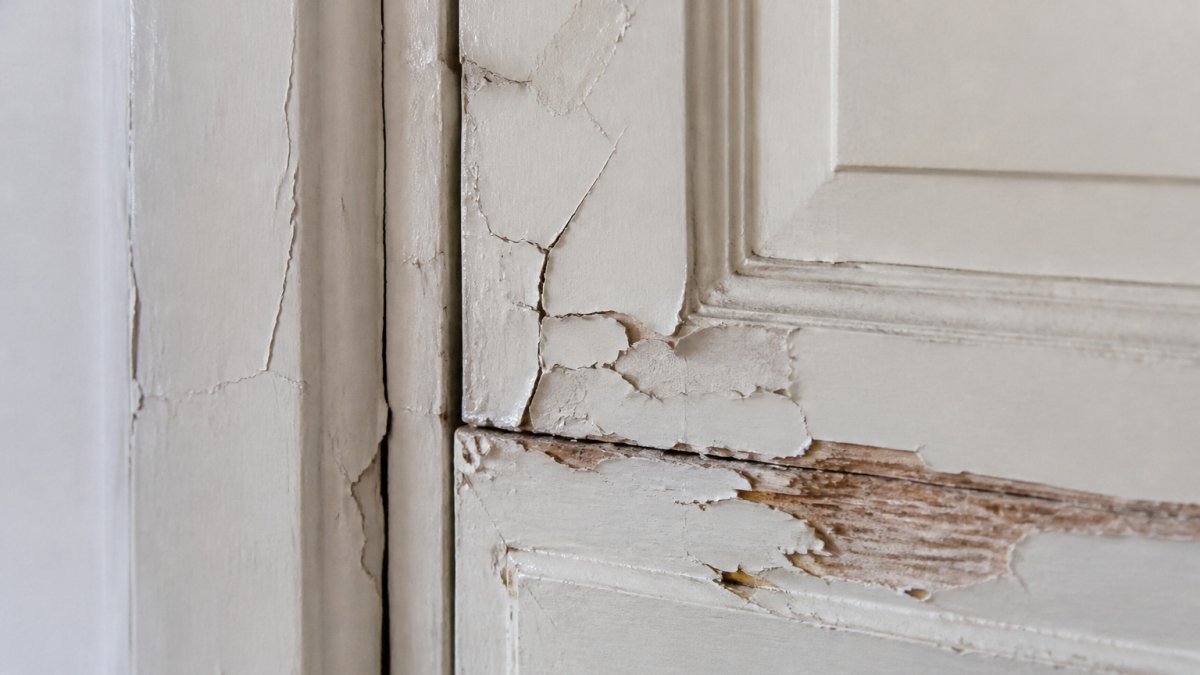
Small scratches are normal wear, but deep gouges that expose the underlying material mean the protective finish has failed.
Dents in solid wood doors can sometimes be repaired with filler and refinishing, but extensive damage or multiple problem areas make replacement the practical choice.
Watch out: If you see dark spots or discoloration around cracks, that's likely mold or mildew growth.
Difficulty Opening, Closing, or Operating Your Interior Door
When an interior door sticks, drags, swings open on its own, or refuses to latch, the symptom tells you which part is failing: a hinge, a latch, a settling frame, or a seasonal humidity swing.
Read the symptom before you touch a screwdriver
- Binds at the top or scrapes the floor along the latch side. The door has dropped or the frame has racked. Check the hinge screws first: loose top-hinge screws let the door sag and rub the strike jamb. Tighten or replace them with longer screws that bite into the framing, not just the jamb.
- Sticks only in summer or only in winter. That is a humidity signal, not a damaged door. Wood and engineered doors swell in humid months and shrink in dry ones, so a door that binds a few weeks a year is usually a clearance problem, not a replacement problem.
- Swings open or closed on its own. The hinge-side jamb is out of plumb, or one hinge carries more load than the others. A drifting door is a safety issue with toddlers or pets, and it is almost always fixable by shimming a hinge or resetting the jamb.
Separate hinge and latch problems from frame problems
Hinges and latches are hardware; frames are structure. Hardware is cheap to fix, frames are not.
Test the frame with a 4-foot level on both jambs and the head. If the jamb is out of plumb by more than about 1/8 inch over the door height, the frame has moved, usually from foundation settling, a shifted header, or water damage at the base.
Why interior doors behave differently from entry doors
Entry doors are built to resist weather in frames designed to stay put. Interior doors are lighter, often hollow-core, and hung in jambs that move with the house, so a sticking interior door is more often a frame or clearance issue than a failed slab.
When repeated operating problems mean replacement
Adjustment is the right first move. But if the same door has been shimmed, planed, and re-hung more than once and still binds, the slab or frame has likely moved permanently. A door trimmed twice loses its structural margin and finish warranty, and a new prehung door is usually cheaper than another round of labor.
Water Damage, Rot, and Moisture Intrusion
Press firmly on the door surface and frame with your thumbnail.
Moisture intrusion often starts at the bottom of the door where it meets the frame.
Rotted wood cannot be effectively repaired. Decay spreads, and filling or patching is temporary at best.
Check the frame carefully as well. If it shows signs of rot or water damage, replacement becomes more complex and expensive.
Signs of a Warped Door and Poor Frame Fit
Warping occurs when a door is exposed to temperature swings and humidity changes over time.
Warping is most common in solid wood doors exposed to fluctuating humidity.
Check the frame too. If it's no longer square, the door will never fit properly.
Minor warping sometimes improves if humidity is controlled, but once a door has warped significantly, it won't return to its original shape.
Drafts, Air Leakage, and Energy Loss
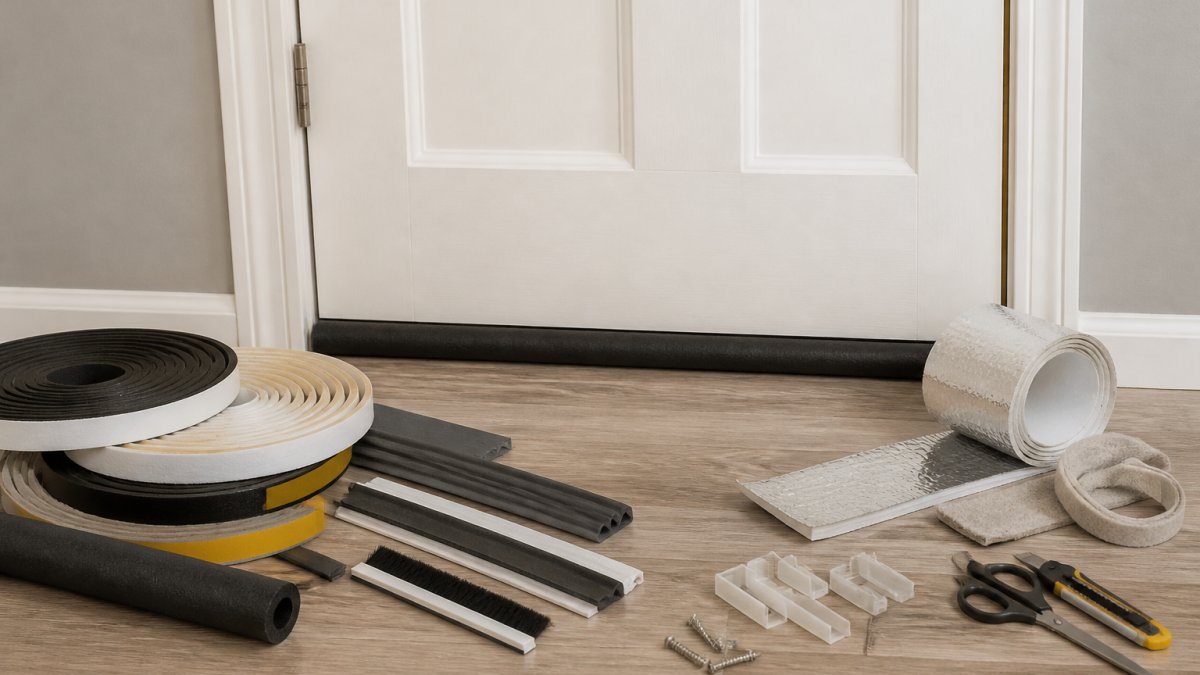
Drafts around interior doors are less common than around exterior doors, but they still mean the door is no longer sealing properly against the frame.
Feel for drafts by moving your hand around the door edges. Cold air signals gaps from warping, a shifted frame, or deteriorated weatherstripping.
Even without visible drafts, an older interior door may not seal tightly, reducing its ability to contain sound, odors, and temperature differences between rooms.
Replacing interior doors with newer models can improve thermal and acoustic performance.
Interior Door Repair or Replacement: Which Makes Sense
The repair-or-replace call is where most guides get vague. Understanding how high quality doors impact home value can help you weigh whether replacement makes sense for your situation. A better framework looks at three things: what the door is made of, how much of it is affected, and whether the frame is sound.
Start with what your door is made of
Interior doors are not one product. The material changes what is repairable and what is not.
- Hollow-core doors. A thin skin over a cardboard or honeycomb core. Surface dents and scratches can be filled and painted, but a puncture, a swollen bottom edge from moisture, or a crushed corner cannot be structurally repaired. Once the skin is breached, replacement is the practical answer, and hollow-core slabs are the least expensive to replace.
- Solid wood doors. The most repairable type. Dents can be steamed or filled, cracks can be glued and clamped, and the door can be refinished. But solid wood also moves the most with humidity, so warping and seasonal binding are common. A solid wood door that has warped beyond about 1/4 inch across its width is usually not worth flattening.
- Engineered wood doors. A stable core with a wood veneer. More dimensionally stable than solid wood, but the veneer can lift or chip at the edges, and once water reaches the core, the door swells and delaminates. Edge veneer damage is repairable; core swelling is not.
Apply practical thresholds
Use these as decision rules rather than vague guidance:
- Surface-only damage. Scratches, small dents, and peeling paint on a sound door: repair and refinish. This is almost always cheaper than replacement.
- Hardware problems. Loose hinges, misaligned strike plates, worn latches: repair. Hardware is inexpensive and the door itself is fine.
- Moisture at the bottom edge. If the bottom inch or two of the door is soft, swollen, or discolored, the core has taken on water. Patch repairs fail because the moisture source and the damaged material remain. Replace the door, and find and fix the water source before hanging a new one.
| Problem | Best solution | Decision rule |
|---|---|---|
| Loose or worn hinges | Tighten or replace hinges | Door is flat and frame is plumb |
| Misaligned strike plate | Reposition strike plate | Door closes but will not latch |
| Minor scratches or dents | Fill and refinish | Damage is surface-level on a sound door |
| Peeling paint | Sand and repaint | No soft spots or swelling |
| Seasonal sticking | Adjust hinges or trim slightly | Binding appears only in humid months |
| Soft or swollen bottom edge | Replace door | Moisture has reached the core |
| Warping beyond about 1/4 inch | Replace door | Door will not sit flat in the frame |
| Racked or rotted frame | Replace door and frame | Jamb is out of plumb or soft |
| Multiple problems at once | Replace door | Repair cost approaches replacement cost |
Weigh the cost logic, not just the damage
A repair makes sense when the fix is hardware or finish; a replacement makes sense when the fix is structural or the labor approaches the price of a new slab.
Also consider scope. Replacing one door in an older home can make the surrounding doors look dated, and matching a discontinued style may be impossible. If you're already updating trim or paint, replacing several doors at once usually lowers the per-door labor cost.
When to bring in a professional
Most hinge, latch, and finish repairs are homeowner jobs. Bring in a professional when the frame is out of plumb, the door is fire-rated, or the opening is in a load-bearing wall. Fire-rated doors should not be trimmed, patched, or re-hung by an inexperienced installer, because altering them can void the rating and create a safety issue.
How to Replace an Interior Door and What to Expect
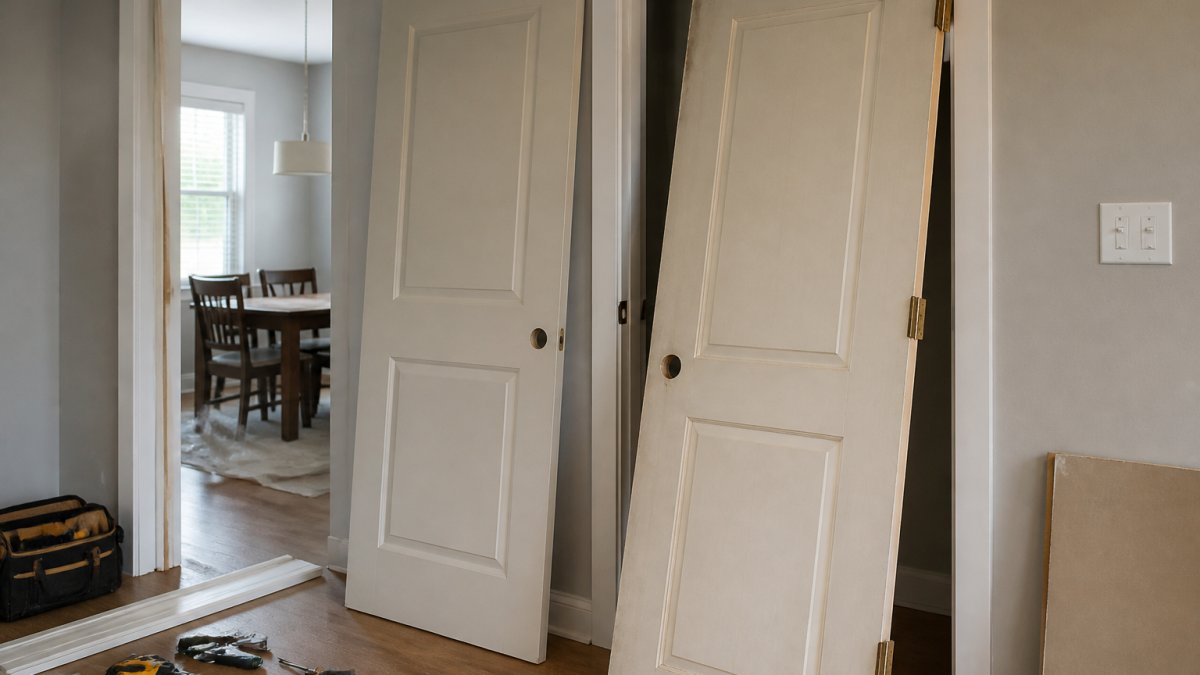
Replacing an interior door is a manageable DIY project if you're handy, or you can hire a professional.
Start by measuring your existing door opening. You'll need the width, height, and depth of the frame.
Prehung vs Slab Doors for Beginners breaks down the differences and helps you choose the right option for your situation.
If you're installing a slab door into an existing frame, How to Install Interior Door Slab Into Existing Frame provides step-by-step instructions.
Installation time can vary depending on complications.
Interior Door Replacement Cost and Planning Your Project
The cost to replace interior doors depends on the door style, material, frame condition, and whether you hire a professional installer.
Door prices vary widely based on quality, material, and design. Cost factors for custom door installation in Arizona explains the factors that influence your final cost and helps you understand where your budget goes. Premium options with specialty finishes or hardware cost more. Cost Factors for Custom Door Installation in Arizona explains the factors that influence your final cost and helps you understand where your budget goes.
Labor costs depend on your location and whether the installer encounters complications.
Plan your timeline carefully.
When budgeting, account for hardware (hinges, handles, locks), paint or stain, and any frame repairs.
The Arizona Door Store can help you understand your options and budget your project.
Frequently Asked Questions
How do I know when to replace an interior door?
Replace your interior door if it shows significant visible damage (deep cracks, large dents, peeling finish), won't open or close smoothly, has rot or water damage, is warped or misaligned in the frame, or allows drafts and air leakage. Minor cosmetic damage can often be repaired, but structural problems, moisture damage, or poor operation usually warrant replacement. A local door specialist can assess whether repair or replacement makes sense for your specific door.
What are the signs of a warped interior door?
A warped door shows visible bowing or twisting in the wood, won't close flush against the frame, creates uneven gaps along the edges, or rubs against the frame when opening and closing. You may notice light coming through gaps at the top or bottom. Warping typically results from moisture exposure or temperature changes and usually requires replacement rather than repair, especially if the warping is severe enough to affect the door's function.
Should I repair or replace a damaged interior door?
Repair if the damage is minor: small scratches, dents that don't affect operation, or minor paint wear. Replace if the door has structural damage (deep cracks), moisture or rot, won't operate smoothly, is warped, or has multiple problems. Replacement is often more cost-effective than extensive repairs and gives you a door designed to last. Consider the age of the door, the extent of damage, and your long-term plans for the space when deciding.
How much does interior door replacement cost?
Interior door replacement cost depends on the door material, style, quality, frame condition, and whether you need installation. Pricing varies widely based on your choices and local labor rates. Contact a local supplier like Arizona Door Store for a quote tailored to your specific project, materials, and delivery needs. They can provide accurate pricing for both the doors and installation, and help you find options that fit your budget.
Knowing when to replace your interior doors protects your home's comfort, appearance, and value. Visible damage, poor operation, moisture intrusion, and warping are clear signals that replacement is due. Get in touch with the Arizona Door Store to discuss your door situation and explore options that work for your home and budget.