 listicle
10 Ways to Improve Door Insulation
Table of Contents
- 1. Install Best Door Weatherstripping Materials
- 2. How to Install a Door Sweep
- 3. Seal Gaps Around Door Frames with Caulk
- 4. Use Expanding Foam for Large Gaps
- 5. Add Door Snakes and Draft Stoppers
- 6. Insulate Letterbox and Keyhole Openings
- 7. Apply Foam Tape to Door Jambs
- 8. Consider Energy Efficient Door Replacement Options
- Frequently Asked Questions
Last Updated: October 1, 2026
Drafts around doors waste energy and drive up heating and cooling costs. The gaps, cracks, and poor seals that let air escape are often invisible until you feel cold air seeping in or notice higher utility bills. Improving door insulation is one of the fastest ways to reduce energy loss, and most methods are straightforward enough for homeowners to tackle. Below, we'll walk you through 10 practical ways to improve door insulation, from simple weatherstripping to full door replacement options.
We help homeowners and contractors seal air leaks and improve thermal performance with high-quality doors and weatherproofing materials. Whether you're dealing with an older door that's seen better days or you want to upgrade to something more energy efficient, these methods will show you exactly where to start.
1. Install Best Door Weatherstripping Materials
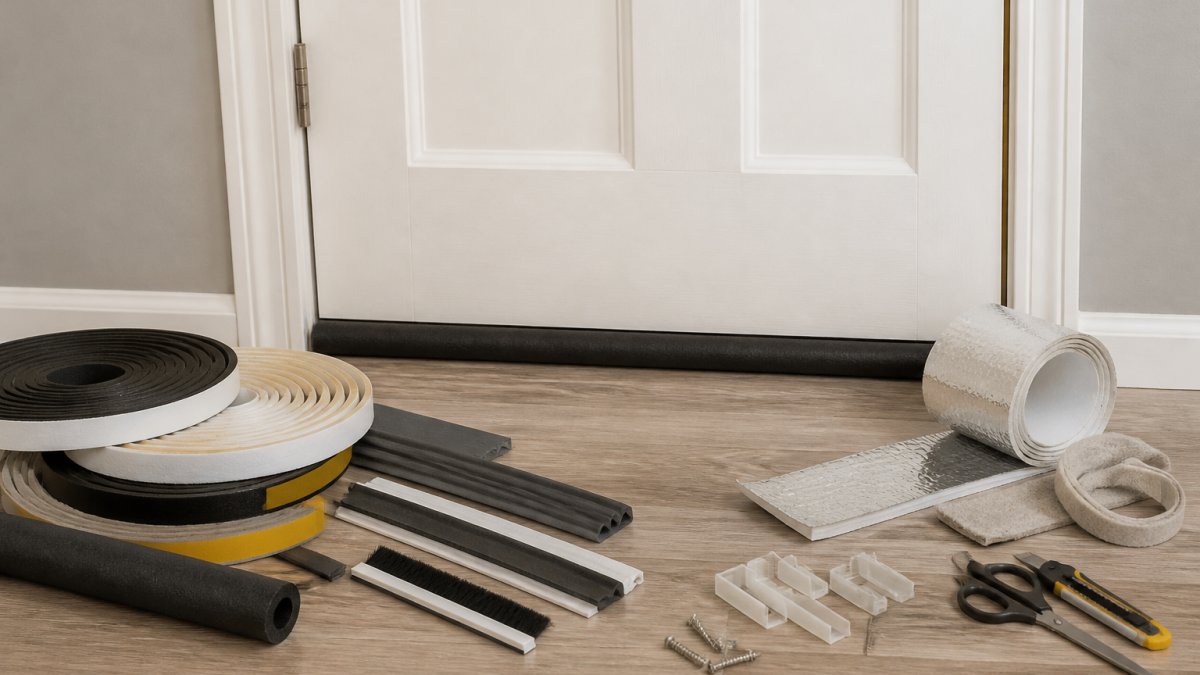
Weatherstripping is the fastest, most cost-effective way to improve door insulation. It creates an airtight seal between the door and frame, blocking drafts before they enter your home.
Foam and Vinyl Options
Foam and vinyl weatherstripping work by compressing against the door frame when the door closes. Foam tends to be softer and easier to install, while vinyl offers more durability. Both are available in self-adhesive strips that require no tools, just clean the frame, peel, and press into place. Foam weatherstripping typically lasts 3-5 years before the material hardens and loses its seal. Vinyl can last longer, sometimes 5-7 years, depending on how frequently the door opens and closes.
Look for weatherstripping with an adhesive backing rated for your climate. In hot, dry climates, adhesive can fail faster, so checking the product specifications matters. The thickness of the weatherstripping also affects performance, thicker materials create a tighter seal but may prevent the door from closing smoothly if the frame is already tight.
Rubber Gaskets and Seals
Rubber gaskets are more durable than foam or vinyl and often come integrated into replacement door frames. They resist temperature extremes better, making them ideal for exterior doors in areas with significant seasonal variation. Rubber seals are typically found on hollow-core doors and solid-core doors as factory-installed components.
If you're replacing a door, specify gasket-sealed models. If you're upgrading an existing door frame, adhesive-backed rubber tape can be added, though the installation is more involved than foam strips. Rubber gaskets require periodic cleaning to maintain their seal, dust and debris can prevent a tight fit.
2. How to Install a Door Sweep
A door sweep seals the gap at the bottom of the door, where the most air infiltration typically occurs. This single component can reduce drafts significantly.
Measuring and Preparation
Measure the width of your door carefully, most standard doors are 36 inches wide, but older doors vary. Measure three times: top, middle, and bottom. If the measurements differ, your door frame may not be square. Purchase a door sweep that matches your door width or one that adjusts to fit.
Clean the bottom of the door thoroughly. Dirt and debris prevent adhesive from bonding and can interfere with a snug fit. Use a damp cloth and let it dry completely before installation.
Installation Methods
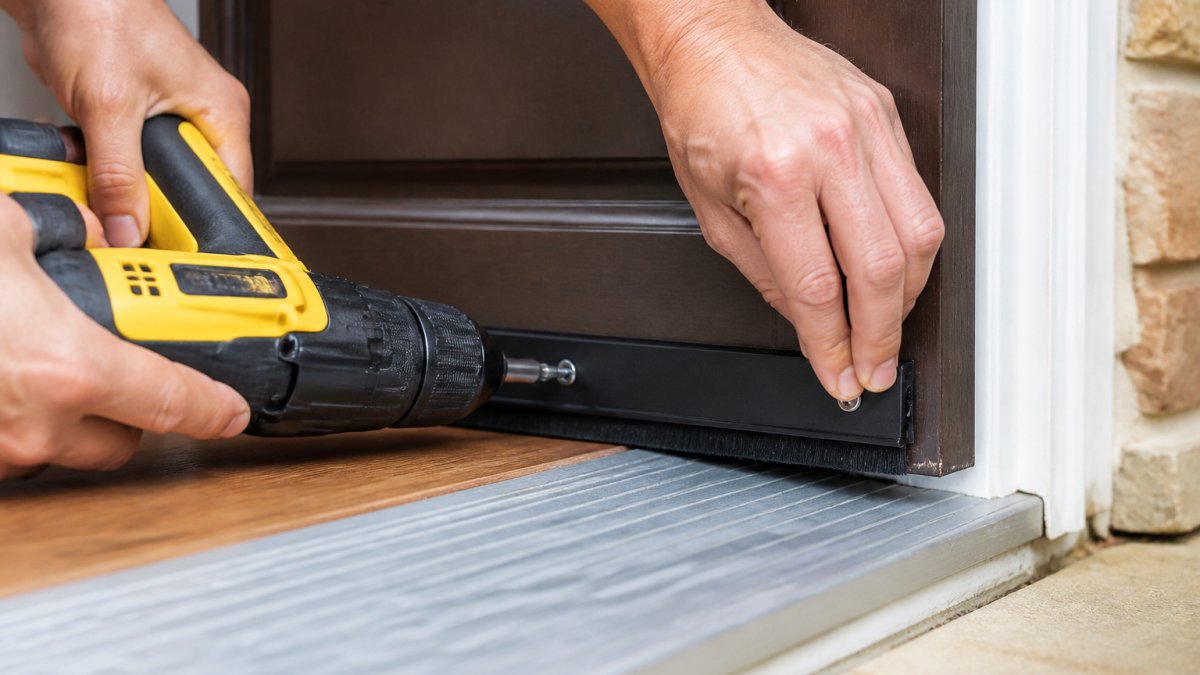
Most door sweeps attach with screws driven through the sweep's mounting bracket into the door itself. Drill pilot holes first to prevent splitting, especially on wooden doors. Position the sweep so it just touches the threshold when the door closes, not so tight that it drags, but tight enough to block air.
Some door sweeps use adhesive backing instead of screws. These are faster to install but less durable long-term. If you choose adhesive, ensure the door bottom is completely clean and dry, and press firmly for at least 30 seconds.
For doors that open onto carpet or uneven flooring, adjustable door sweeps work better than fixed ones. The brush or rubber seal can flex to follow the contour of the floor.
3. Seal Gaps Around Door Frames with Caulk
Cracks and gaps between the door frame and the wall allow air to move directly into your home. Caulking these gaps stops thermal bridges and air infiltration at the source.
Use a paintable acrylic latex caulk for interior applications, it's flexible, easy to apply, and cleans up with water. For exterior doors, silicone-based caulk resists weathering better and lasts longer. Apply caulk to the gap between the frame and the wall on all four sides of the door.
Cut the caulk tube nozzle at a 45-degree angle and apply a continuous bead along the gap. Smooth it with a wet finger or caulk tool to ensure good contact with both surfaces. Caulk works best on gaps smaller than 1/4 inch. Larger gaps require a different approach.
4. Use Expanding Foam for Large Gaps
When gaps between the door frame and wall exceed 1/4 inch, expanding polyurethane foam fills the space and creates an airtight seal. This is especially common in older homes where framing has shifted or settled.
Expanding foam comes in a pressurized can with an applicator straw. Shake well, then apply the foam directly into the gap. The foam expands to fill irregular spaces, creating a thermal and air barrier. It cures in a few hours and can be trimmed back with a utility knife once dry.
The key is restraint, use only as much as needed. Overapplying foam can bow the frame or make the door stick. Start with a thin bead and let it expand. You can always add more; you can't easily remove excess.
After trimming excess foam, caulk over the foam to seal any remaining gaps and protect the foam from UV damage. Exposed foam degrades over time when exposed to sunlight.
5. Add Door Snakes and Draft Stoppers
Door snakes and draft stoppers are temporary, removable solutions that work by blocking air flow under the door. They're ideal for interior doors or when you want a non-permanent fix.
A draft stopper is a weighted fabric tube placed at the base of the door.
6. Insulate Letterbox and Keyhole Openings
Letterbox slots and keyholes are small but significant sources of air infiltration. They're often overlooked because of their size, but the concentrated air flow through these openings can be noticeable.
7. Apply Foam Tape to Door Jambs
Foam tape is a self-adhesive strip that adheres to the door jamb (the vertical frame piece) where the door latches. It's thinner than weatherstripping but effective for sealing the latch side of the door.
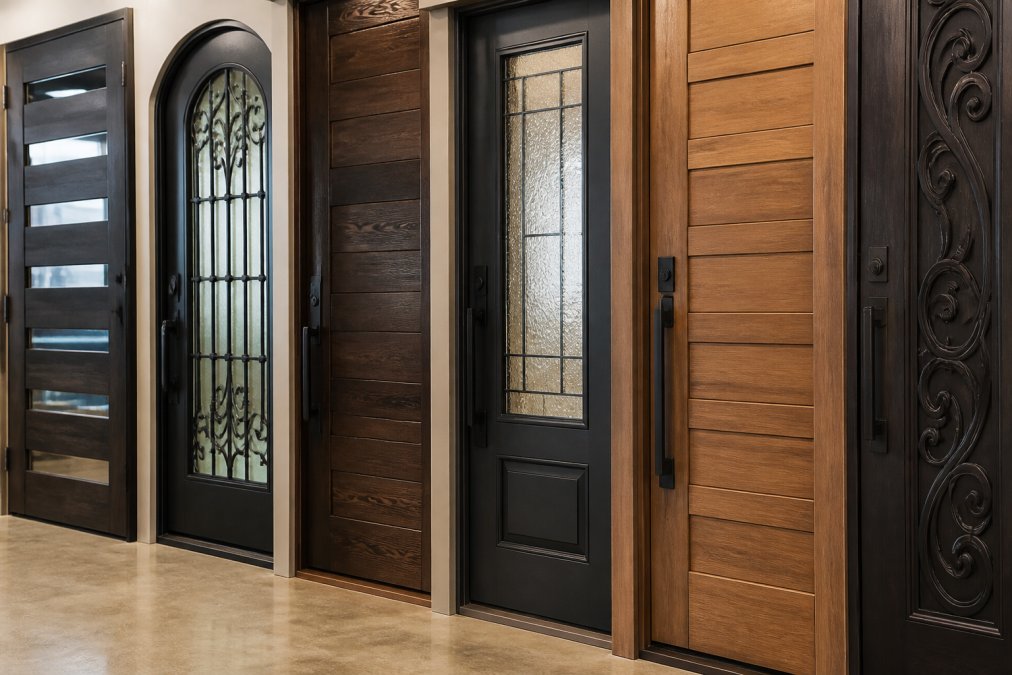
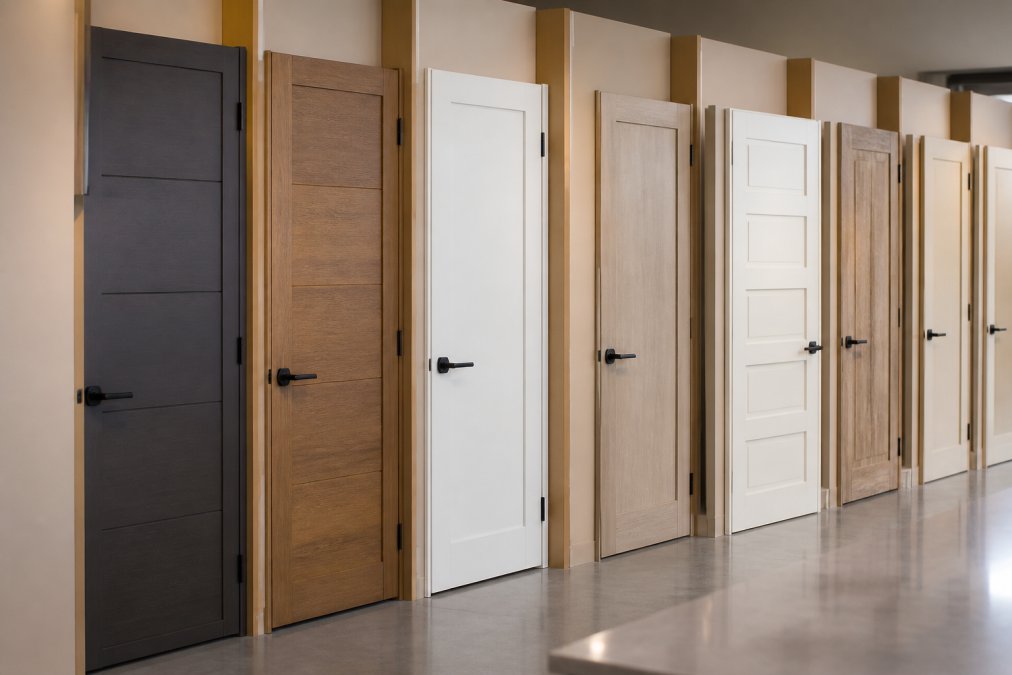
8. Consider Energy Efficient Door Replacement Options
If your door is old, warped, or severely drafty despite weatherproofing efforts, replacement may be more cost-effective than continued patching. Modern doors offer superior insulation and thermal performance.
Insulated Steel and Fiberglass Doors
Steel and fiberglass doors come with factory-installed insulation cores that significantly outperform hollow-core or thin solid-core doors. Steel doors are durable and secure; fiberglass doors resist warping and are easier to paint or stain.
Thermal Break Technology
High-performance doors use thermal break technology, which interrupts the direct conduction of heat through the door frame. A thermal break is a layer of low-conductivity material (usually plastic or foam) that separates the interior and exterior frame components.
| Method | Best For | Difficulty | Durability |
|---|---|---|---|
| Weatherstripping | General air sealing | Very easy | 3-7 years |
| Door sweep | Bottom gap sealing | Easy | 5-10 years |
| Caulking | Small frame gaps | Easy | 5-10 years |
| Expanding foam | Large frame gaps | Moderate | 10+ years |
| Draft stoppers | Temporary solutions | None (removable) | 2-3 years |
| Letterbox insulation | Keyhole/mail slot sealing | Very easy | 5+ years |
| Foam tape | Latch side sealing | Easy | 3-5 years |
| Door replacement | Severe thermal loss | Professional | 20+ years |
Energy Star guidance on sealing and insulating doors
Department of Energy recommendations for improving home energy efficiency
Building Science principles for air sealing and thermal resistance
Frequently Asked Questions
What is the best type of insulation for a door?
The best door insulation depends on your specific needs. For exterior doors, weatherstripping with rubber gaskets and foam tape provides excellent air sealing at low cost. For garage doors, rigid foam board or reflective insulation improves thermal performance. If you're replacing doors entirely, look for ENERGY STAR certified models with factory-installed insulation and integrated weather seals. Arizona Door Store carries high-quality options suited to local climate demands.
How do I stop air leaks around my door frame?
Start by identifying where air leaks occur using a visual inspection on windy days or with a thermal imaging camera. Seal small gaps with paintable caulk around trim and jambs. For larger gaps between the frame and wall, use expanding foam sealant. Install weatherstripping on the sides and top of the door, and add a door sweep at the bottom. Combining these methods eliminates most air infiltration points.
Can you add insulation to an existing exterior door?
Yes. You can improve insulation on existing doors by adding weatherstripping, door sweeps, foam tape, and caulking. For hollow-core doors, you can add rigid foam board or reflective insulation to increase R-value. However, if your door is old or damaged, replacement with an insulated steel or fiberglass door offers better long-term performance and energy savings. Arizona Door Store can help you evaluate whether upgrading makes sense for your home.
What materials work best for door weatherstripping?
Rubber gaskets and EPDM seals offer superior durability and compression strength compared to foam or vinyl. Foam weatherstripping is budget-friendly but requires more frequent replacement. Vinyl works well for moderate climates. For Arizona's heat, rubber seals resist UV degradation better. Adhesive-backed foam tape is ideal for door jambs and frames. The best choice combines durability with your budget and climate exposure.