 comparison
Prehung vs Slab Doors for Beginners
Table of Contents
- Prehung vs Slab Doors: The Core Differences
- Quick Comparison Table
- How to Measure for a Slab Door
- Prehung Door Installation: What to Expect
- Understanding Slab Door Knob Hole Requirements
- Can You Replace a Door Slab Without Replacing the Frame?
- Installation Difficulty and Skill Requirements
- Cost Breakdown: Purchase Price vs Total Project Cost
- Frequently Asked Questions
Last Updated: October 9, 2026
Prehung vs Slab Doors: The Core Differences
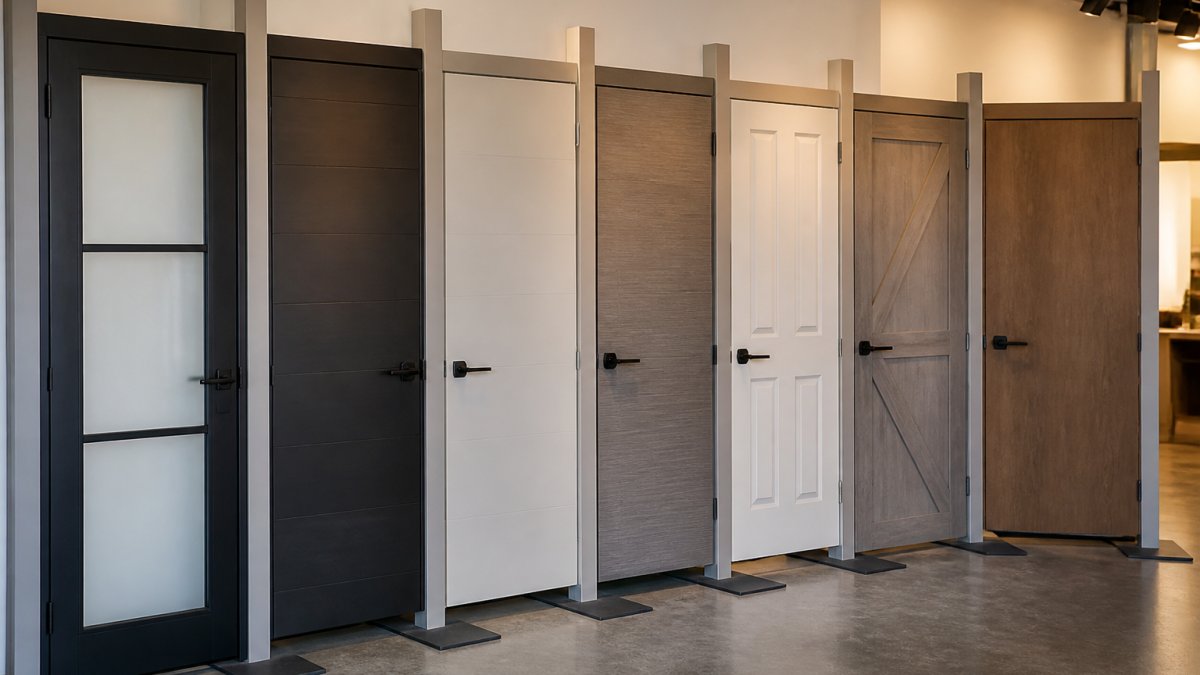
When you're planning a door replacement, the first decision isn't color or style, it's structural. Understanding prehung vs slab doors determines your budget, timeline, and skill level. At Arizona Door Store, we help contractors and homeowners navigate this decision every day.
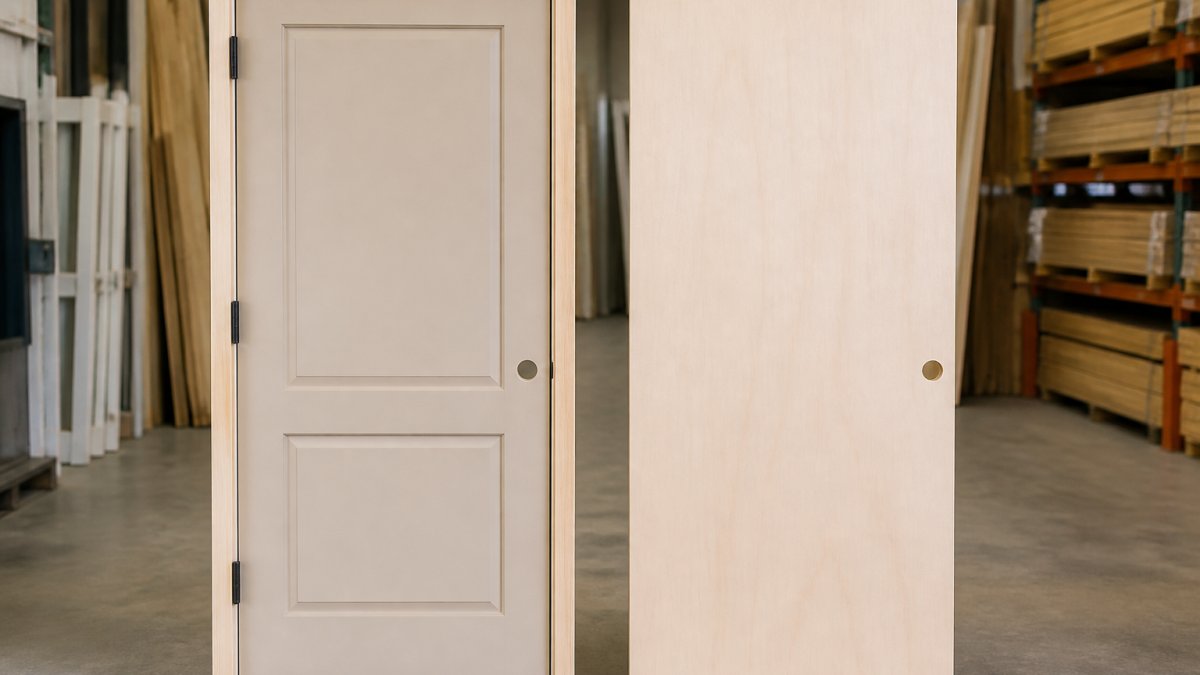
A prehung door is a complete assembly: the door leaf (the panel that swings), a pre-assembled frame, hinges already mortised and installed, and often hardware preparation ready for your lockset. You're buying a finished unit designed to drop into an opening.
A slab door is just the door itself: a single flat panel with no frame, no hinges, no hardware holes. You'll need to source your own frame, install your own hinges, and cut your own hardware holes (or have someone do it for you).
The practical difference is this: prehung doors are faster and more forgiving. Slab doors are cheaper upfront but demand precision and skill.
What a Prehung Door Includes
A prehung door arrives as a complete, ready-to-hang unit. The frame, called a jamb assembly, wraps around three sides of your opening. The hinges are already mortised (routed into the frame and door edge at the correct depth), and the door hangs aligned from the factory.
What you get in the box:
- The door leaf (the panel itself)
- The jamb frame (head, two side jambs, and threshold if it's an exterior door)
- Hinges already installed and mortised
- Strike plate preparation (a recess for the latch mechanism)
- Weatherstripping on exterior models
- Pre-drilled holes for your lockset, often with a template showing exact placement
This is why prehung doors work well for beginners: the hard geometry is already solved. You hang the assembly, shim it level and plumb, and secure it to the rough opening. The hinges are already at the right locations and depth, so your door swings without binding.
What a Slab Door Includes
A slab door is literally just the door panel. No frame. No hinges. No hardware holes unless you order them pre-drilled.
What you get:
- The door leaf only
- Sometimes pre-drilled knob and deadbolt holes (if you specify this when ordering)
- Typically, nothing else
You'll source the frame separately and install the hinges yourself, routing hinge mortises into both the door edge and the jamb frame at the exact same depth and location. You'll cut or drill the hardware holes for your lockset, and install weatherstripping if it's an exterior door.
The upside: slab doors cost less because you're buying less. The downside: you're responsible for precision work that requires skill and the right tools.
Quick Comparison Table
| Aspect | Prehung Door | Slab Door |
|---|---|---|
| What's Included | Door, frame, hinges, weatherstripping | Door panel only |
| Frame Included | Yes, pre-assembled | No, you source separately |
| Hinges | Pre-mortised and installed | You install and mortise |
| Hardware Holes | Pre-drilled or marked | You drill/cut yourself |
| Installation Skill | Beginner to intermediate | Intermediate to advanced |
| Installation Time | 1-2 hours | 3-6 hours |
| Best For | New openings, frame replacement, speed | Existing sound frames, budget projects |
| Typical Purchase Price Range | Higher per unit | Lower per unit |
How to Measure for a Slab Door
If you're considering a slab door, verify that your existing frame is usable. Measurements are non-negotiable: a slab door won't forgive a frame that's out of square or damaged.
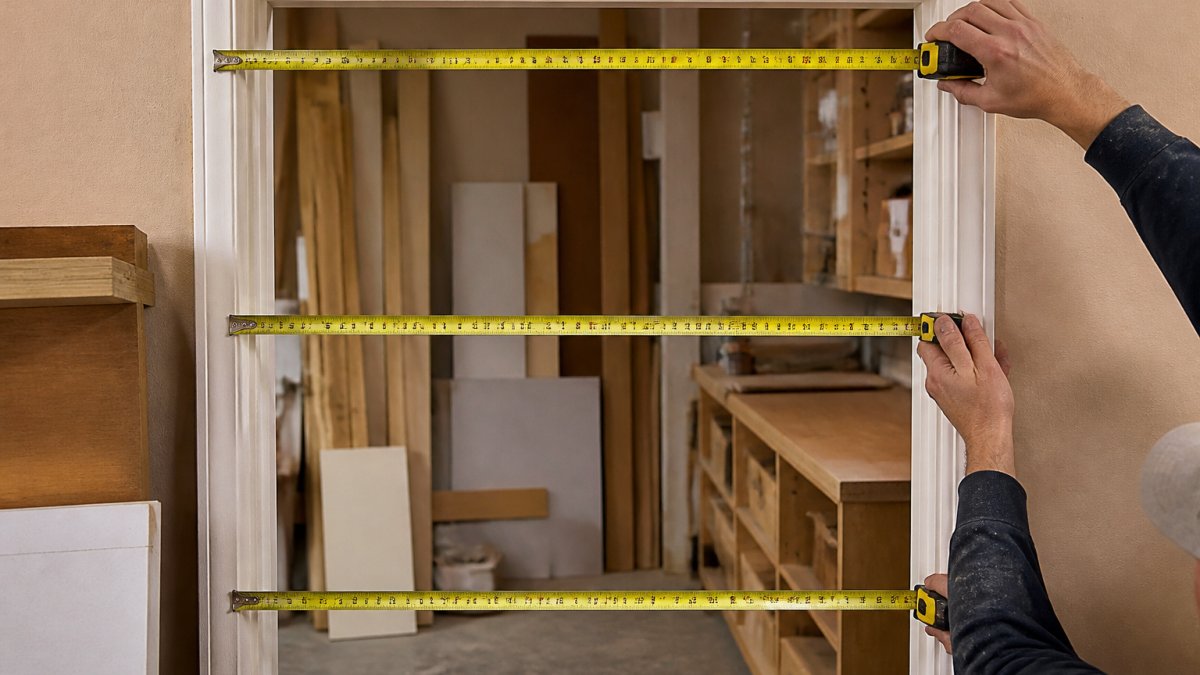
Start by measuring the opening width at three points: top, middle, and bottom. All three should be identical (within 1/8 inch).
Measure the height from the floor to the head (top) of the frame at both the left and right sides. These should match; if one side is taller, the frame is settling unevenly.
Check the jamb depth, the thickness of the side frame pieces. This determines what size door you can hang.
Most importantly, verify that the frame is plumb (perfectly vertical) and level (perfectly horizontal at the head) with a 4-foot level.
Prehung Door Installation: What to Expect
Installing a prehung door is straightforward because the hard work is done. You're not mortising hinges or routing hardware holes.
The basic process takes 1 to 2 hours for most people. Here's what happens:
Step 1: Remove the old door and frame. Unscrew or pry out the hinges, remove the lockset, then remove the old frame from the rough opening. For exterior doors, you may need to remove trim and siding first.
Step 2: Inspect the rough opening. Verify that it's square and plumb.
Step 3: Set the prehung unit in the opening. Position the jamb frame in the rough opening with the door on the hinge side.
Step 5: Verify the door swings freely. Before you secure anything permanently, open and close the door several times.
Step 7: Install the lockset. Most prehung doors come pre-drilled for hardware. You'll install the lockset mechanism, strike plate, and deadbolt according to the manufacturer's instructions.
Step 8: Install trim or casing. Cover the gaps between the jamb and the wall with trim (casing).
Prehung doors work for beginners because steps 3 through 5 are the only truly critical skill, and shimming and leveling are learnable.
Understanding Slab Door Knob Hole Requirements
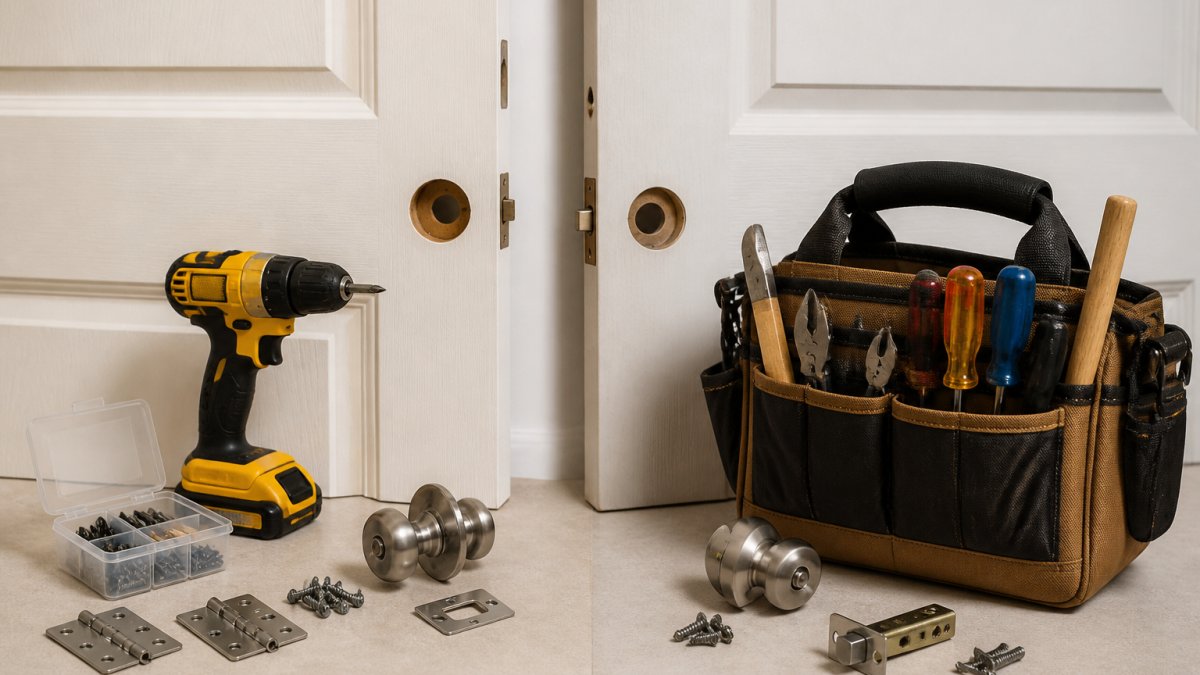
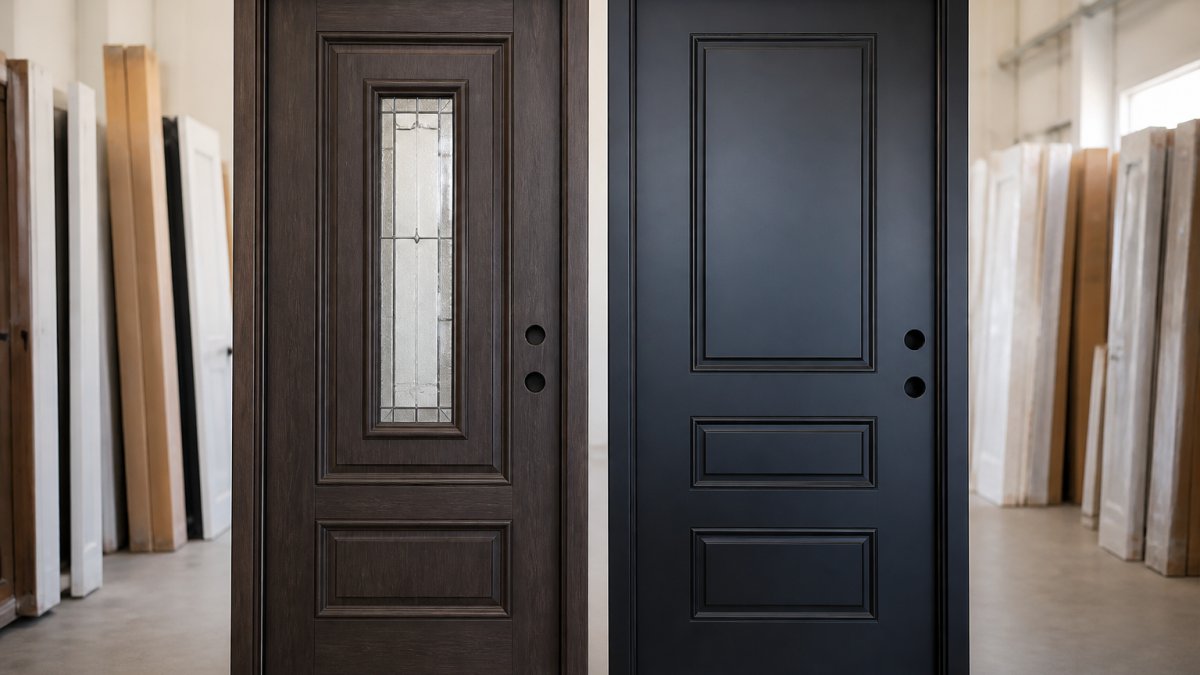
A slab door typically arrives without hardware holes, or with pre-drilled holes if you specify them when ordering. If it doesn't have holes, you'll need to cut them yourself or have a shop do it.
The knob hole (for the handle or lever) is typically 2.125 inches in diameter and centered 36 inches from the bottom of the door. The deadbolt hole sits 40-48 inches from the bottom.
If you're cutting these holes yourself, you'll need a hole saw in the correct diameter: 2.125 inches for the knob and 1 inch for the deadbolt on most residential locksets. You'll also need a jig or template to ensure the holes land in the exact right location.
Many people order slab doors with factory pre-drilled holes. This costs a bit more but eliminates the risk of drilling in the wrong spot or angle. At Arizona Door Store, we can advise on pre-drilling options when you order a slab door, saving time and frustration on the job site.
Can You Replace a Door Slab Without Replacing the Frame?
Yes, but only if the existing frame is in good condition. This is one of the main reasons slab doors exist.
If your current door is damaged, warped, or outdated but the frame is straight, level, and structurally sound, you can remove the old slab and hang a new one in the same frame, saving money on a new frame assembly.
The frame must meet these conditions:
- Plumb and level (no visible twisting or settling)
- No rot, water damage, or structural compromise
- Hinges in usable condition (or you replace them)
- Correct jamb depth for your new door
The process is straightforward: remove the old door by unhinging it, remove the old hinges from the jamb, install new hinges on the new slab door (or reuse sound old hinges), then hang the new door and adjust for fit.
This takes 1 to 3 hours depending on the condition of the hinges and frame. No shimming or leveling is required if the frame is already plumb.
However, if the frame is out of plumb, settling unevenly, or damaged, replace the entire prehung unit instead. Fitting a new slab into a compromised frame wastes time and results in a door that binds or gaps.
Installation Difficulty and Skill Requirements
The gap between prehung and slab installation difficulty is real: it's not just about time, but the tools and skills you need.
Prehung doors: Beginner to intermediate skill. You need a level, a hammer, shims, and basic fastening knowledge. The hardest part is shimming correctly, a learnable technique most homeowners can master with a tutorial and patience.
Slab doors: Intermediate to advanced skill. You need to mortise hinges (routing recesses into the door edge and frame), cut hardware holes accurately, and potentially hang the door in an imperfect frame.
If you're a first-time DIYer, a prehung door is the practical choice. If you're a contractor or experienced builder, a slab door offers flexibility and cost savings.
Tools matter too: a prehung installation requires basic tools most people already own, while a slab installation may require specialized equipment, a mortising jig, a hole saw, chisels, and a drill press you'll need to buy or rent.
Cost Breakdown: Purchase Price vs Total Project Cost
This is where the comparison gets interesting. A slab door costs less to purchase, but the total project cost tells a different story.
Prehung door purchase price: Typically higher per unit because you're buying a complete assembly with frame, hinges, and weatherstripping.
Slab door purchase price: Lower per unit because you're buying only the door panel.
But total project cost includes more than the door: the frame (if you need one), hinges, hardware, tools, and labor (if you're hiring someone).
If you're hiring a professional, labor costs shift the equation: a prehung door installation takes 1 to 2 hours, while a slab door takes 3 to 6 hours depending on frame condition and whether holes need to be cut.
For exterior doors, prehung units are almost always more economical because weatherstripping and threshold installation are included.
The smart approach: measure your existing frame, assess its condition, then calculate the full project cost, not just the door price.
Choosing between prehung and slab doors comes down to your frame condition, your skill level, and your timeline.
At Arizona Door Store, we help contractors and homeowners evaluate both options based on their specific project.
Frequently Asked Questions
What is the difference between a prehung door and a slab door?
A prehung door is a complete assembly that includes the door slab, frame (jamb), hinges, and often hardware preparation. A slab door is just the door panel itself with no frame or hinges attached. Prehung doors are ready to hang and typically easier for beginners, while slab doors require you to either reuse an existing frame or build a new one, making installation more complex.
Do slab doors come with knob holes already drilled?
Most slab doors do not come pre-drilled for a doorknob or lockset unless you specifically order them that way. You'll need to drill the hole yourself or have it done before installation. The size and location of the slab door knob hole depend on your hardware choice, so measure and mark carefully before drilling to avoid mistakes.
Can you replace a door slab without replacing the frame?
Yes, you can replace a door slab without replacing the frame if the existing frame (jamb) is in good condition, properly aligned, and the correct depth. This is called a slab-only replacement and can save money. However, the frame must be level, plumb, and square, and the new slab's dimensions must match the opening exactly. If the frame is damaged, warped, or misaligned, a prehung door with a new frame is often the better choice.
Is installing a prehung door easier than installing a slab door?
Yes, prehung door installation is generally easier for beginners. The frame, hinges, and hardware are already in place, so you mainly hang the unit in the opening and shim it level and plumb. Slab door installation requires more precision: you need to either prepare an existing frame carefully or build a new frame from scratch, then hang the slab and install hardware. Prehung doors typically suit beginner-to-intermediate skill levels, while slab installation is better for intermediate-to-advanced DIYers.
How do I know if my existing frame is suitable for a slab door replacement?
Check that your existing frame is straight, level, plumb, and square using a level and measuring tape. Look for signs of damage, rot, warping, or gaps. Measure the frame's width, height, and jamb depth and compare them to the slab door dimensions you're considering. If the frame is damaged or misaligned, a prehung door with a new frame is safer. When in doubt, consult with an expert, Arizona Door Store's team can assess your frame and recommend the best option for your situation.