 How-to
Protecting Front Door Locks From Extreme Desert Heat
Last Updated: November 7, 2026
Quick Summary
Protecting front door locks in the desert starts with shading the door from direct sun, since heat can push lock temperatures well past comfortable levels. Pair that with lithium batteries, weatherproof hardware rated for local summer highs, routine maintenance done in cool hours, and sealing out sand and dust.
- Metal expands in heat, so a deadbolt that fits in the morning can bind by afternoon.
- Shade west- and south-facing entries with overhangs, awnings, or shade structures.
- Use lithium batteries in outdoor locks and replace them on the manufacturer's schedule.
- Use dry lubricant on the keyway, never heavy oil or grease, which attracts and holds dust.
- Do lock maintenance in the morning or evening when the hardware is cool.
Table of Contents
- Thermal expansion and daily temperature cycles
- Step 1: Shade the Front Door From Direct Sun
- Step 2: Protect Door Handle Lock Batteries From High Temperatures
- Step 3: Choose a Weatherproof Smart Lock for Outdoor Gate and Door Use
- Step 4: Run Door Lock Maintenance in Extreme Heat
- Step 5: Control Dust, Sand, and Fine Particles
- Troubleshooting a Sticking Lock and When to Call a Locksmith
- Frequently Asked Questions
Front door locks in the desert face a hard daily cycle. Temperatures can climb past 110°F in summer and drop sharply after sunset, and that swing puts stress on every moving part. Stiff deadbolts, sluggish keypads, and handles that feel different from one season to the next are among the most common problems people notice in desert heat. Protecting front door locks from extreme desert temperatures starts with understanding what the heat does.
Metal expands as it warms and contracts as it cools. A brass or steel deadbolt that fits snugly in the morning can bind by mid-afternoon. That's why a lock may seem to "stop working" in July when the real issue is a tight fit between the bolt and the strike plate.
Thermal expansion and daily temperature cycles
Daily temperature swings matter as much as peak heat. Repeated expansion and contraction loosens screws, shifts the door slightly in its frame, and wears the finish on the lock body. Over time, small misalignments turn into hard-to-turn keys.
Watch for these early signs:
- The key turns harder in the afternoon than in the morning
- The deadbolt needs a push to line up with the strike plate
- Screws on the faceplate feel loose
- The door rubs or scrapes when it closes
Address these before they become lockouts.
Smart-lock operating temperature limits
Smart locks add electronics to the mix, and electronics have temperature limits. Manufacturers generally publish an operating range in their product specifications, so check the spec sheet for the model you are considering. Check the spec sheet for your specific model before installation, and confirm the rating against the sun exposure on your door. A lock rated for indoor use is a poor choice for a west-facing front entry.
Step 1: Shade the Front Door From Direct Sun
Direct sun is the biggest single threat to a front door lock in the desert. A door facing west can absorb enough heat by late afternoon to push the lock body well past comfortable temperatures.
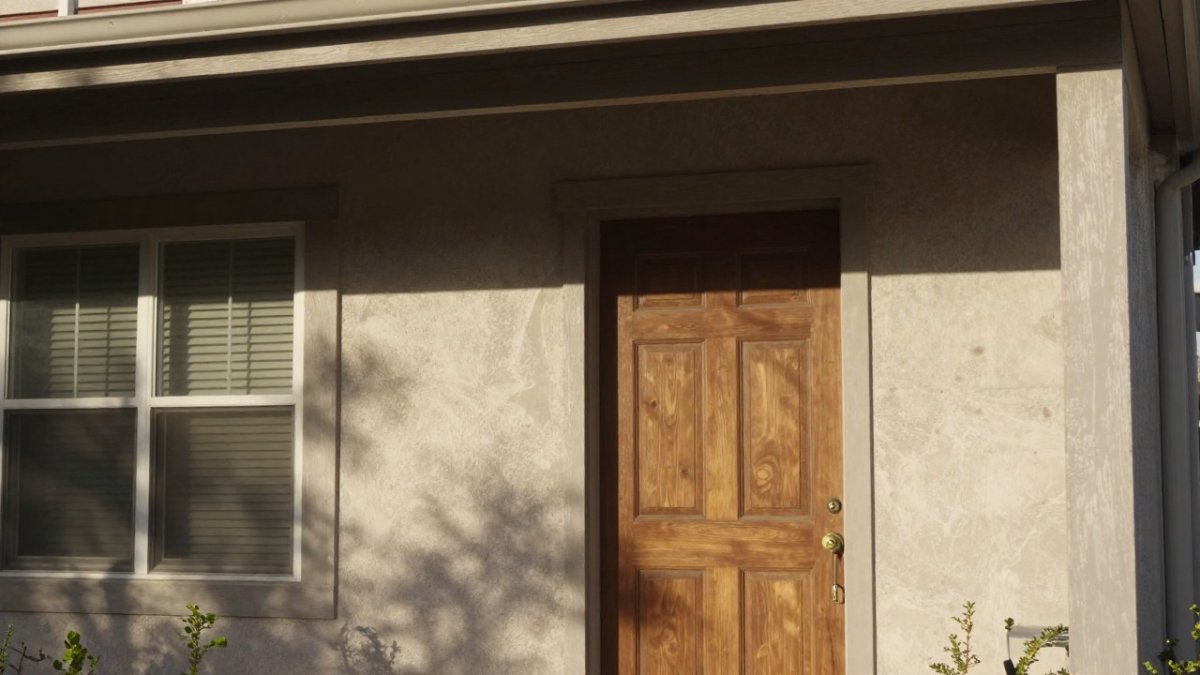
The simplest fix is shade. A covered entry, a deep porch overhang, or an awning cuts direct exposure during the hottest hours. If your entry has no cover, consider a retractable awning or a freestanding shade structure placed to block afternoon sun.
- Check the door's orientation and note when direct sun hits it
- Add or extend overhangs on west- and south-facing entries
- Use light-colored or reflective door finishes where you can
- Keep landscaping that blocks sun from being trimmed back, not removed
Shade lowers the surface temperature of the door and the hardware, which reduces the stress on the lock mechanism.
Step 2: Protect Door Handle Lock Batteries From High Temperatures
Battery-powered locks are common now, and batteries are sensitive to heat. High temperatures speed up chemical breakdown, shorten battery life, and can cause leakage that corrodes contacts inside the lock.
Use these habits to protect battery performance:
- Choose lithium batteries for outdoor locks. They handle heat and cold better than standard alkaline cells.
- Replace batteries on the schedule the manufacturer recommends, rather than waiting for a low-battery warning.
- Keep spare batteries indoors, not in a hot garage or car.
- Check for white or crusty residue around the battery compartment during routine checks, and clean it off right away.
Battery placement also matters. Where the manufacturer allows, a battery compartment shielded from direct sun keeps cells cooler and more reliable.
Step 3: Choose a Weatherproof Smart Lock for Outdoor Gate and Door Use
When you replace a lock, pick one designed for outdoor exposure. Look for a weather rating, a published temperature range that covers desert extremes, and a finish that resists UV and dust. For guidance on hardware suited to that environment, see our Arizona climate door hardware guide.
For outdoor gates and entry doors, consider the following checks:
- Confirm the temperature rating matches your local summer highs
- Look for sealed electronics and a rugged, weather-resistant housing
- Choose a finish rated for UV exposure so it won't fade or chalk
- Verify the keypad and sensors are rated for dust and sand
Pricing depends on quantity, dates, and delivery, so visit the Arizona Door Store website or contact the store for a current quote.
Step 4: Run Door Lock Maintenance in Extreme Heat
Routine maintenance keeps a lock working through the hottest months. Plan a quick check every few weeks during summer and a more thorough inspection each spring and fall. In the desert, choosing the right product matters as much as the maintenance schedule itself.
A simple maintenance routine looks like this:
- Test the lock from both inside and outside
- Tighten loose faceplate and strike plate screws
- Clean the keyway and keypad with a dry cloth or a soft brush
- Apply a lock-safe dry lubricant to the keyway and moving parts, not oil
What to use, and where. Dry lubricants are generally used for cylinder locks in dusty climates. Follow the product label, since most dry lubricants are for the mechanical cylinder and latch, not the electronics.
What to avoid. Heavy oils and grease can attract and hold desert dust. Once grit binds into an oil film, it forms an abrasive paste that wears pins and makes the key feel rough. Never spray lubricant into an electronic lock body or keypad unless the manufacturer explicitly says it's safe, solvents can damage seals and circuit boards.
Heat-specific habits. Do maintenance in the morning or evening when the hardware is cool, not at peak afternoon heat. Metal expands when hot, so a lock that feels tight at 3 p.m. may turn freely at 8 a.m., diagnose binding when the lock is cool so you're not chasing a false problem. Check the battery compartment for white or crusty residue during every lubrication pass and clean contacts with a dry cloth.
Watch out: Don't wipe a hot lock with cold water or spray it with a cold cleaner. The sudden temperature change can stress the finish and internal parts, and trapped moisture in a hot keyway can flash to steam and drive grit deeper. Let the hardware cool in the shade first, then clean and lubricate.
Seasonal deep check. Each spring, before the heat arrives, consider checking the cylinder and reapplying dry lubricant as the lock allows. Each fall, after the worst heat, recheck screw tightness on the faceplate and strike plate, and confirm the deadbolt still lines up with the strike without a push.
Routine maintenance through the hottest months comes down to a few key checks and products to avoid.
| Task | When | Note |
|---|---|---|
| Test lock from inside and outside | Every few weeks in summer | Quick functional check |
| Full inspection | Each spring and fall | Thorough check |
| Tighten faceplate and strike screws | Each fall | Heat loosens fasteners |
| Apply dry lubricant to keyway | Each spring, as lock allows | Use lubricant, not oil |
| Maintenance timing | Morning or evening | Hardware is cool then |
| Heavy oil or grease | Avoid | Attracts and holds dust |
| Electronic lock body | Avoid spraying | Solvents can damage seals |
Step 5: Control Dust, Sand, and Fine Particles
Desert wind carries fine sand that works its way into every gap. Once inside a lock, that grit grinds on pins and gears and makes the key feel rough.
Limit intrusion with these steps:
- Seal the gap around the door with weatherstripping
- Install a door sweep at the bottom of the door
- Keep the threshold and entry area swept clean
- Use a soft brush to clear the keyway regularly
Sealing the door also helps keep heat out, which reduces the temperature swings the lock must handle. For a closer look at sealing a door against dust and heat, see our guide on sealing a door against dust and heat.
Troubleshooting a Sticking Lock and When to Call a Locksmith
A sticking lock is usually a sign of heat stress, dust buildup, or misalignment. Start with the simple fixes: clean the keyway, check the screws, and confirm the door closes squarely. Then test again.
If the lock still binds after cleaning and tightening, the problem may be the door itself. Warping from extreme heat can shift the frame enough to keep the bolt from seating. To understand how extreme heat warps front doors and what to watch for, read why your front door is warping in extreme heat. In that case, the door or frame may need attention, and a locksmith can tell you whether the lock or the door is the real issue.
Call a locksmith if you notice any of these:
- The lock jams even after cleaning and lubrication
- The key breaks or bends while turning
- The deadbolt won't extend or retract fully
- You see cracks or swelling on the door
Some lock problems are repairable. Others point to a door that has reached the end of its useful life in the heat. If repairs keep failing, weigh the cost of ongoing fixes against replacement with a desert-rated door and hardware. Browse our door and hardware selection, or contact us for help choosing weatherproof options.
Protecting front door locks from extreme desert temperatures comes down to shade, good batteries, weatherproof hardware, regular maintenance, and sealing out dust. Handle those five areas and your lock will keep working through the hottest summer.
Frequently Asked Questions
How do I protect my front door lock from direct sunlight?
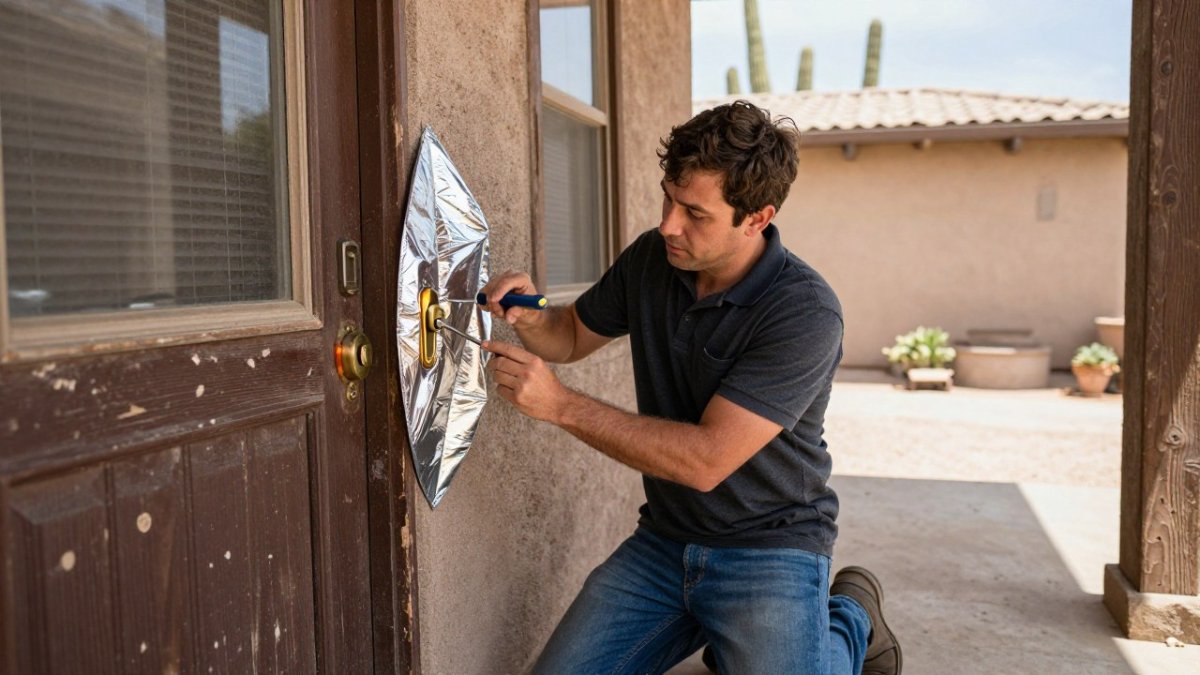
The most effective fix is shade. Install a covered entry, awning, or deep porch overhang so the lock and handle are out of direct afternoon sun, which is the hottest part of the day in the Southwest. Where shade is not possible, a lock cover or a reflective exterior finish may be worth considering. Check the lock's rated operating temperature in the manufacturer's documentation before choosing a shield, and avoid dark finishes on the exposed hardware.
Can extreme heat affect a door lock?
Yes. Repeated heating and cooling makes metal parts expand and contract, which can change how the bolt lines up with the strike plate and make the lock feel tight or sticky. Heat can also soften lubricants that have been applied too heavily, letting dust collect in the mechanism. Smart locks add a second concern: their batteries and electronics have rated temperature limits, and sustained high heat can shorten battery life. Inspect the lock regularly during summer months to catch these changes early.
How do I keep a smart lock battery from overheating?
Start by checking the smart lock's specified operating temperature range in its manual, then keep the lock out of direct sun as described above. Use lithium batteries where the manufacturer allows. Replace batteries on the schedule the app or manufacturer recommends rather than waiting for a low-battery warning, because heat accelerates battery drain. Avoid storing spare batteries in a hot garage or vehicle.
What should I do if my door lock becomes difficult to turn in hot weather?
First, check whether the bolt is aligned with the strike plate and that the door is not binding in its frame. Clean the keyway with a dry brush or compressed air to remove sand and dust, then apply a dry graphite lubricant rather than oil-based products that attract grit. Avoid forcing the key or handle. If the lock still sticks after cleaning and lubrication, the cylinder or latch may need repair or replacement, and a licensed locksmith can assess the problem.