 How-to
Cost Factors for Installing Oversized Custom Residential Doors
Last Updated: November 17, 2026
Quick Summary
Cost factors for installing oversized custom residential doors include the slab, frame, hardware, structural framing, removal, delivery and installer labor, all of which take more material and skilled handling than a standard door. The door itself is only one line of the total quote.
- Oversized doors usually need a bigger slab, reinforced frame, wider rough opening and sometimes a crane or extra hands.
- A typical oversized-door quote should be itemized into seven lines, including fabrication, freight, labor, framing and permits.
- Framing and structural work is the line most often missing from a first quote and the one most likely to grow mid-project.
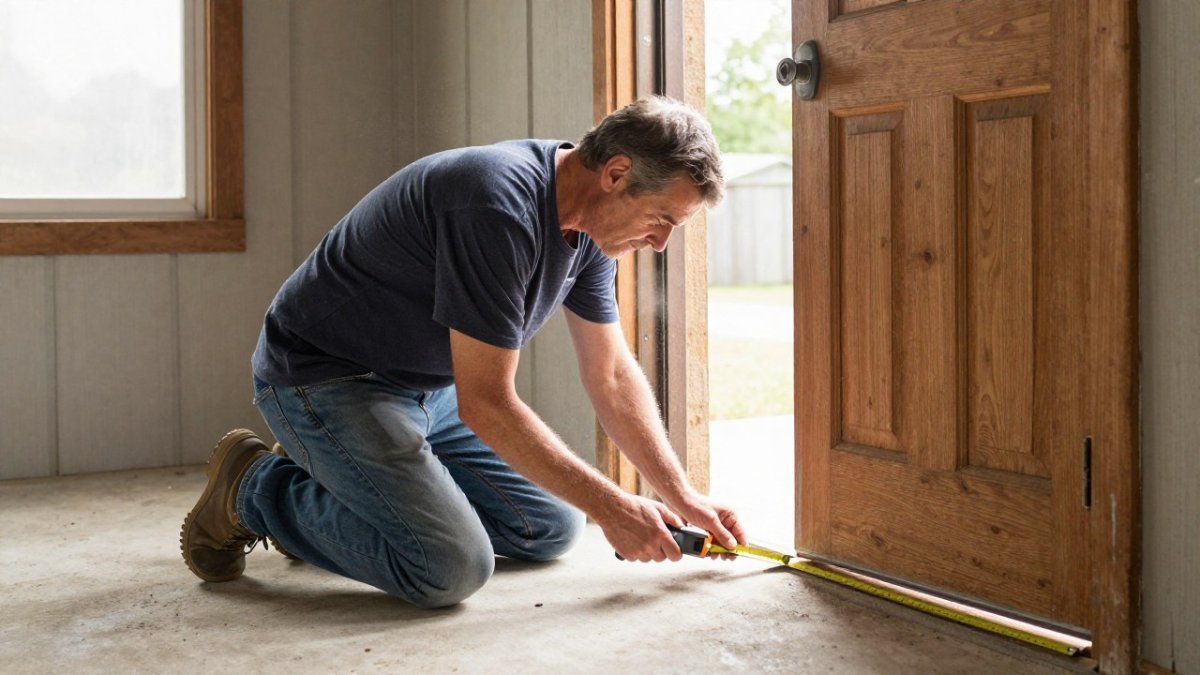
- Measure the rough opening before ordering, since a door too large for the existing opening is the most common budget overrun.
- Ask the installer to state crew size, equipment and access assumptions in writing behind the labor line.
Table of Contents
- Door Installation Cost Breakdown: Materials, Labor, and Hardware
- Structural Requirements and Frame Work for Oversized Openings
- Front Door Installation Cost and Labor to Remove and Install an Exterior Door and Frame
- Cost to Install a Sliding Glass Door and Other Large Openings
- Custom Door Logistics, Delivery, and Handling Fees
- Requesting an Accurate Quote for Your Oversized Door Project
- Frequently Asked Questions
Cost factors for installing oversized custom residential doors are higher than for standard doors because nearly every part of the job takes more material, more handling and more skilled labor. A standard 36-inch prehung door fits a pre-framed opening that the builder already cut. An oversized custom door usually requires a bigger slab, a reinforced frame, a wider rough opening and sometimes a crane or extra hands to set it. Each of those adds cost before the door even hangs.
Homeowners and contractors in Scottsdale, Phoenix and Tucson often start with the door price and get surprised by the total. The door is only one line on the quote. Cost factors for installing oversized custom residential doors include the slab itself, the frame, hardware, structural work, removal of the old unit, delivery and the installer's time. Pricing depends on quantity, dates, and delivery, so we recommend requesting a written quote from Arizona Door Store that itemizes each of those lines.
Watch out: a door that is too large for the existing opening is the most common reason a budget grows mid-project. Measure the rough opening before ordering, not after.
Door Installation Cost Breakdown: Materials, Labor, and Hardware
A typical door installation quote breaks into three groups: materials, labor and hardware. For oversized custom work, each group grows faster than the size difference suggests. A door twice the width of a standard unit does not cost twice as much, but it does need heavier hinges, a sturdier frame and more careful handling. The useful way to read an oversized-door quote is to separate it into seven line items rather than three buckets, because each one is priced by a different trade and each one can be negotiated or verified independently.
1. Door fabrication. This is the slab itself: material, panel count, glass, finish and custom sizing. Fabrication is usually the largest single line, and it is the one most sensitive to lead time.
2. Freight and crating. Oversized slabs ship on padded, often custom-built crates and may require a liftgate or a two-person delivery. Freight is frequently quoted separately from the door and is easy to overlook when comparing bids.
3. Labor for removal and installation. Installation labor for an oversized unit runs longer than for a standard prehung door because the unit is heavier, the frame must be set more precisely, and the door must be adjusted after hanging.
4. Framing and structural work. If the rough opening must be widened, a new header installed, or temporary supports added, that carpentry is a separate trade and a separate line. This is the line most often missing from a first quote and the one most likely to grow mid-project.
5. Finishing. Paint, stain, trim, casing and touch-up after installation are finishing items. On a custom door, factory finish and field finish are different products at different prices.
6. Hardware. Oversized doors need heavier-duty hinges, often three or more rather than two, and a reinforced strike plate. Locksets, knobs and deadbolts must match the door's thickness and weight, and some custom designs call for specialty pulls or multi-point locks. Hardware is sometimes bundled into the door price and sometimes billed separately; the quote should say which.
7. Permits and inspection fees. Structural changes, egress changes and some exterior replacements trigger permit and inspection fees. These are pass-through costs that vary by jurisdiction and scope, and they should appear as their own line rather than buried in labor.
Watch out: a quote that presents one lump sum for "door and installation" hides which of these seven lines are included and which are excluded, and the exclusions are where budgets grow. Ask for the itemized version before you compare bids.
The article breaks an oversized-door quote into seven line items, each priced by a different trade.
| Line item | What it covers | Key note |
|---|---|---|
| Door fabrication | Slab, panels, glass, finish, custom sizing | Usually the largest single line |
| Freight and crating | Padded or custom crates, liftgate or two-person delivery | Often quoted separately and easy to overlook |
| Removal and installation labor | Heavier unit, precise frame set, post-hang adjustment | Crew size can grow from two to three or four |
| Framing and structural work | Widened rough opening, new header, temporary supports | Most often missing from a first quote |
| Finishing | Paint, stain, trim, casing, touch-up | Factory finish and field finish are priced differently |
| Hardware | Heavier hinges, reinforced strike, locksets | Sometimes bundled into door price, sometimes billed separately |
| Permits and inspection fees | Structural, egress and some exterior changes | Pass-through costs that vary by jurisdiction |
Structural Requirements and Frame Work for Oversized Openings
Oversized openings place more load on the header and the surrounding wall. A wider door needs a properly sized header above it, and that header must carry the wall's weight. If the existing opening was built for a standard door, the framer may need to widen it, add temporary supports and install a new header. That work adds labor and sometimes permit costs, depending on the scope of the change.
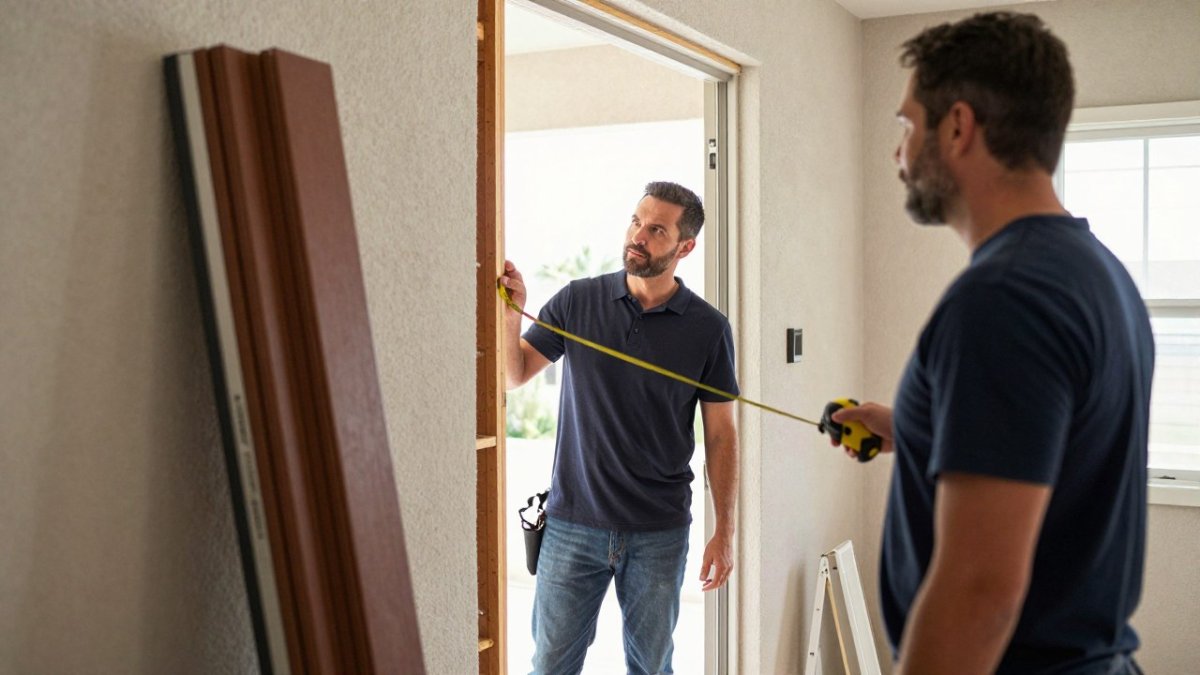
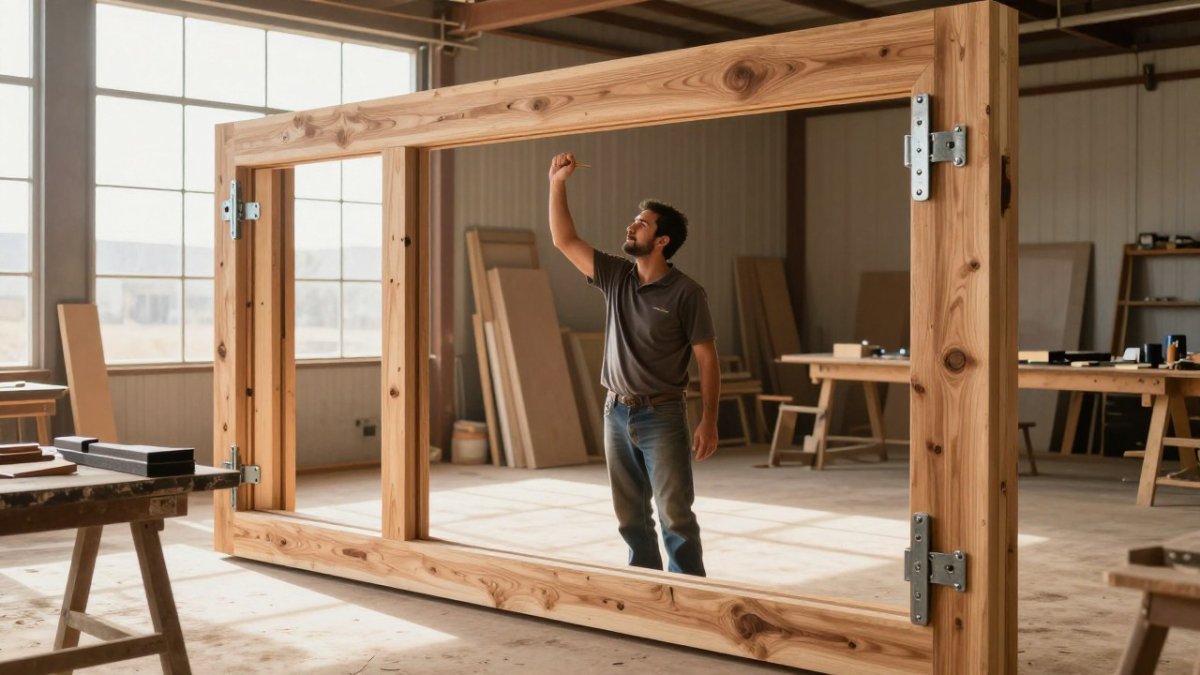
The door frame must also match the opening's dimensions. Frame condition matters here. An older frame that has warped or rotted will not hold a heavy custom slab square. In many cases, full-frame replacement is the safer choice, which adds material and labor time. Ask your installer to inspect the rough opening before quoting, and make sure the quote states who handles framing and any necessary carpentry.
Watch out: a frame that looks sound from the inside can hide moisture damage in the sill. Have it checked before hanging a heavy door.
Front Door Installation Cost and Labor to Remove and Install an Exterior Door and Frame
Exterior replacement involves more steps than interior work. To see when full-frame exterior door replacement makes sense and what the job covers from measuring to sealing, review that guide before the install is scheduled.
Delivery access and site survey. Before the install day, someone should walk the path the door will travel: the driveway, the gate, the sidewalk, the threshold and the interior turn into the opening. A narrow gate, a steep slope, a low porch roof or a tight interior corner can turn a straightforward carry into a rigging job.
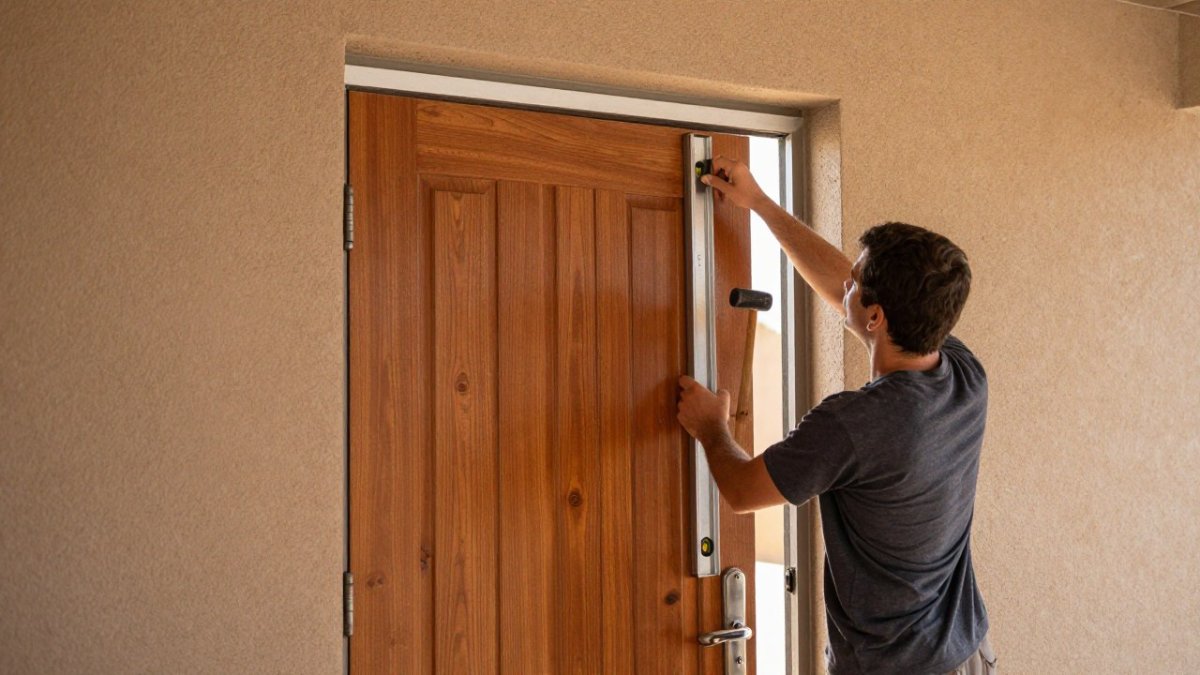
Lifting equipment and crew size. An oversized slab can be too heavy and too awkward for two people to handle safely. Depending on weight and access, the crew may need suction-cup lifters, a panel cart, shoulder straps or, in some cases, a crane or boom to set the unit from outside. Each of those adds equipment cost and may add a second crew.
Removal and disposal. Removal of the old door and frame is often a separate line item, and disposal of an oversized unit is not trivial, it may not fit in a standard debris box and may require a separate haul. Confirm whether disposal is included and whether the old door is hauled away or left on site.
Sealing, flashing and weather performance. Weather sealing matters for long-term performance. The quote should state whether it includes flashing, sill pan, sealant and insulation, because those are the details that determine whether the door performs after the first season.
Adjustment and final operation. A heavy door settles and needs adjustment after hanging: hinge tension, strike alignment, weatherstrip contact and closer speed if a closer is specified. Confirm with your installer whether final adjustment is included and what the callback window is.
Watch out: a bid that prices labor by the door rather than by the crew, equipment and access the site actually requires is the most common source of mid-project change orders on oversized exterior installs. Ask the installer to state the assumptions behind the labor line in writing.
Cost to Install a Sliding Glass Door and Other Large Openings
Sliding glass doors and other large openings carry their own cost drivers. These units are heavy, the tracks must be aligned precisely, and the wall around the opening often needs structural work. Multi-panel systems add panels, tracks and seals, each with its own labor time.
Pricing for these projects depends on the opening size, the number of panels and the amount of wall work required. We recommend measuring the opening carefully before requesting a quote, since small measurement errors can change the price.
Custom Door Logistics, Delivery, and Handling Fees
Oversized custom doors are awkward to move. They need careful handling and sometimes two or more people to carry them into a home. Long lead times and the need for a large vehicle can add to the cost, and access conditions at the site can add handling.
Ask whether delivery is included, whether it covers the curb or the interior, and whether there is a fee for staircases or tight access.
Requesting an Accurate Quote for Your Oversized Door Project
A useful quote for an oversized custom door should itemize every cost. Use this checklist when you request one:
- Exact rough opening dimensions, measured in inches, width and height
- Door material, style, panel count and glass options
- Finish or stain color and whether it is included in the price
- Hardware specifications, including hinge count and lockset type
- Frame type: retrofit or full-frame replacement
- Structural or framing work needed, and who performs it
- Removal and disposal of the existing door and frame
- Delivery, handling and any stair or access fees
- Installation labor, sealing and final adjustment
- Lead time and payment schedule
Arizona Door Store's team can walk you through each line item and explain the options. Contact us to request a written estimate tailored to your project. Get the full picture before you commit, and you will avoid most of the surprises that catch homeowners and contractors off guard.
Get your oversized door project started with Arizona Door Store. Our team helps contractors and homeowners in Scottsdale, Phoenix and Tucson choose doors, frames and hardware built to last, with reliable local delivery and expert guidance from start to finish.
Frequently Asked Questions
How much does it cost to install a custom door?
Installing a custom door typically costs more than a stock door because of special sizing, longer lead times, and extra labor for fitting. Arizona Door Store does not publish standard install pricing, and costs depend on the door's size, material, hardware, and how much frame work the opening needs. Because prices vary by quantity, dates, and delivery, the most reliable way to get a number is to request a written quote that lists materials, labor, hardware, and removal separately.
How does enlarging a doorway affect installation costs?
Enlarging a doorway usually adds cost because the wall must be opened, headers and framing reinforced, and the surrounding finish repaired. Oversized openings may also require a structural review, especially on load-bearing walls. Before you compare quotes, ask each contractor whether the price includes framing, drywall or stucco repair, and paint, since these items often change the total more than the door itself.
Does installing an oversized door require structural changes?
Not always, but an oversized door can change how the wall carries weight, so a structural assessment is worth requesting. A wider or taller opening may need a larger header or additional support, and a heavy custom slab may require stronger hinges and a reinforced frame. Confirm with your contractor and local building department before work begins, because permit requirements vary by jurisdiction.
How long does it take to install a custom residential door?
Lead time for a custom door is often longer than for a stock door, so the total timeline depends first on manufacturing and delivery, then on installation. Once the door arrives, installation of a standard-sized unit often takes a few hours, while an oversized door with frame adjustments can take a full day or more. Ask about lead time when ordering, and schedule the install after the door and hardware have been checked on site.