 comparison
Plywood vs MDF: Best Modular Shelving Materials to Build
Last Updated: November 2, 2026
Quick Summary
The best modular shelving materials for custom builds are 3/4-inch birch plywood for long spans and heavy loads, MDF for short to medium painted spans, and bamboo for light loads. Plywood wins on strength and sag resistance, while MDF wins on a smooth, paint-ready face and lower cost per sheet.
- Thicker panels span farther before they sag, so match panel thickness to span.
- Plywood's crossed veneer layers carry load across the span; MDF has no grain direction to help it.
- MDF can swell when water reaches its core, so keep it out of damp areas.
- Standardize one panel depth and one thickness so shelves stay interchangeable.
- Fasten brackets with screws typically 2-1/2 to 3 inches long to bite into studs.
Table of Contents
- Modular Shelving Materials Side by Side: What Decides the Build
- Plywood vs. MDF for Shelves: Strength, Sag, and Cost
- The Best Wood for Shelves: Solid Wood, Plywood, and Bamboo Compared
- Planning a DIY Modular Shelving Unit Around Your Connections
- How to Build Shelves on a Wall With Brackets and the Right Hardware
- Finishes, Edges, and Moisture: What Sheet Goods Need
- Ordering Shelving Materials for Your Build
- Frequently Asked Questions
Modular Shelving Materials Side by Side: What Decides the Build
The best modular shelving materials for custom builds balance three things: how much weight each shelf carries, how far it spans without sagging, and how the panels connect to uprights you can move later. Arizona Door Store sells shelving and moulding to contractors and homeowners, and the three tests above are a useful way to judge any sheet good.
Modular shelving is a shelf system built from interchangeable panels, uprights, and connectors so the layout can change without rebuilding the frame. Material choice decides whether that flexibility survives the second or third layout change. For a broader look at modern shelving solutions for custom contractors, review the options before committing to a material.
Load, Span, and Thickness at a Glance
Thicker panels span farther before they sag. A shelf that sags under a row of books will keep sagging, and no bracket fixes a panel that is too thin for its span. Use this as a starting screen:
| Material | Typical Thickness | Practical Span | Best For |
|---|---|---|---|
| Birch plywood | 3/4 in | Long spans, heavy loads | Books, media, garage |
| MDF | 3/4 in | Short to medium spans | Painted closet shelving |
| Solid oak or walnut | 3/4 to 1 in | Medium spans, premium look | Display shelves |
| Bamboo | 1/2 to 3/4 in | Light to medium loads | Home office, pantry |
| Steel and metal | Fixed tiers | Very heavy loads | Utility storage |
Plywood vs. MDF for Shelves: Strength, Sag, and Cost
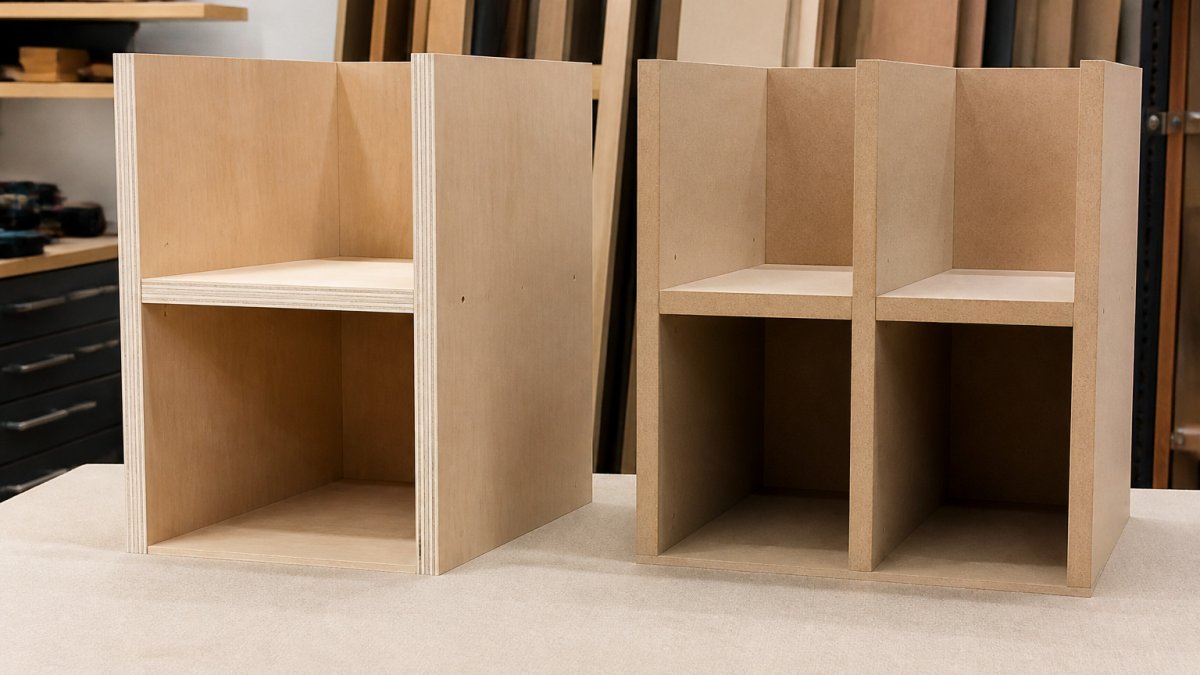
Plywood wins on strength and sag resistance; MDF wins on a smooth, paint-ready face and lower cost per sheet. Plywood's crossed veneer layers carry load across the span, while MDF is a uniform panel of glued wood fiber with no grain direction to help it.
That difference matters most on long spans. Plywood flexes and recovers; MDF under the same load tends to stay bowed. For a wall of book-heavy shelving, 3/4-inch birch plywood is a common choice. For closet shelving under folded clothes and paint, MDF is often used.
MDF can swell when water reaches its core, so keep it out of damp areas.
If you are weighing MDF against solid wood for trim and edge details, 5 MDF vs Solid Wood Moulding Tradeoffs That Matter covers the tradeoffs before you commit.
The Best Wood for Shelves: Solid Wood, Plywood, and Bamboo Compared
Solid wood is the best choice when appearance carries the design; plywood is the best all-around structural pick; bamboo is the best budget option for light loads. Each has a failure mode worth knowing before you order.
- Solid oak and walnut: Attractive and repairable, but they move with humidity.
- Birch plywood: Stable, strong, and predictable. Edge banding hides the plies.
- Bamboo: Hard and dimensionally stable, but thin panels need closer support spacing.
For cabinetry-grade solid stock, how to choose kiln-dried lumber for cabinetry explains why moisture content decides whether a shelf stays flat.
Planning a DIY Modular Shelving Unit Around Your Connections
Start with the connection method, then size the panels to fit it. A DIY modular shelving unit lives or dies on its joints: metal uprights with adjustable pins, steel tubing frames, or slotted standards let you move shelves later, while glued and screwed fixed frames do not.
Measure the room, mark stud locations, and set your upright spacing before you cut a single panel. Standardize one panel depth and one thickness across the whole unit so shelves stay interchangeable.
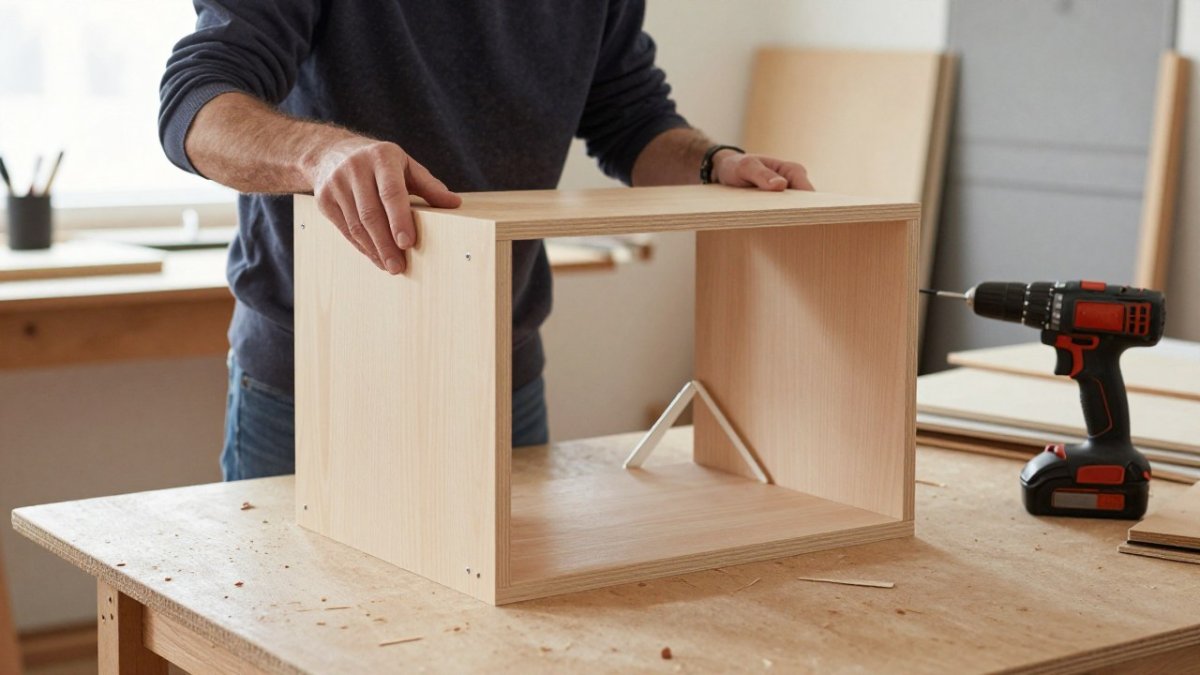
Tight rooms need a different layout logic. Design custom closet shelving for small spaces shows how to adapt a modular grid to narrow walls and awkward corners.
How to Build Shelves on a Wall With Brackets and the Right Hardware
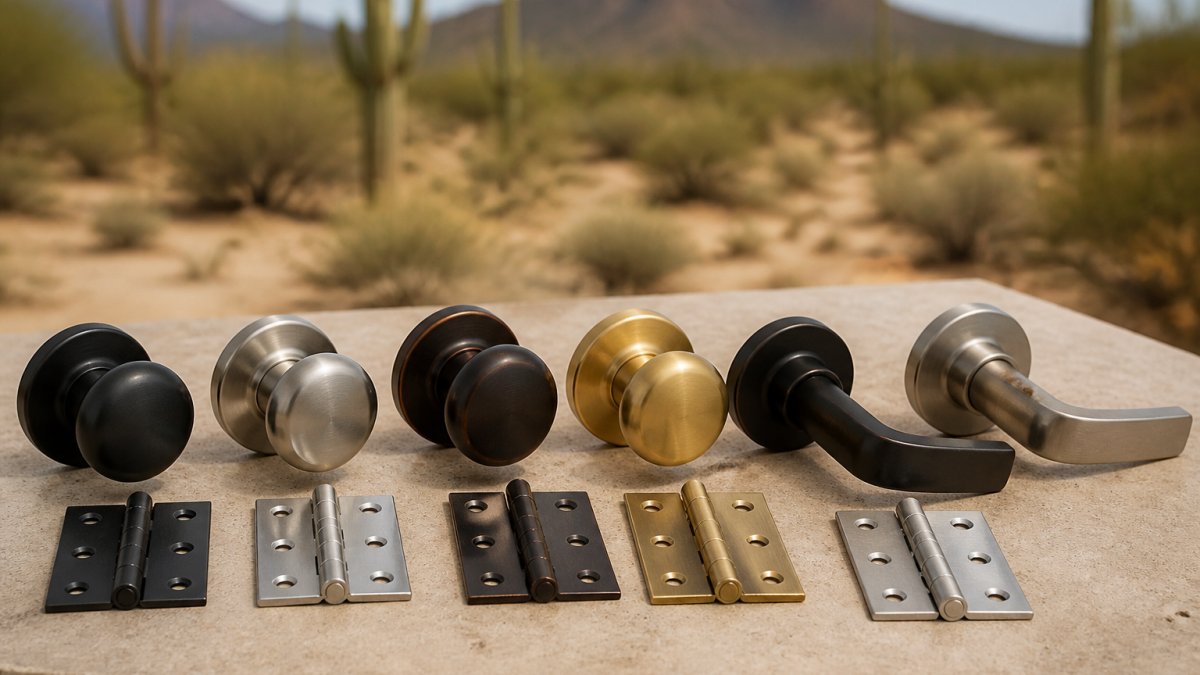
To build shelves on a wall with brackets, anchor the bracket into studs or proper anchors, match the bracket rating to the load, and keep spans inside the panel's limit. Hardware is where most shelf failures start, not the wood, and the material you choose decides which hardware will hold.
Screw holding by material.
Connector placement. Adjustable-pin systems, slotted standards, and steel uprights concentrate load at small contact points. On plywood and solid wood, pins bear on the panel edge without crushing it.
Edge treatment and hardware compatibility.
- Locate studs with a stud finder and mark them.
- Set bracket spacing so no span exceeds the panel's safe limit for its material and load.
- Fasten brackets with screws long enough to bite into studs, typically 2-1/2 to 3 inches for 3/4-inch shelving plus 1/2-inch drywall.
- Check level across every bracket before loading.
- Add a back cleat on long runs to stop twisting and to share load across studs.
Watch out: drywall anchors alone will not hold a loaded shelf. A shelf pulling out of the wall takes the drywall with it.
Finishes, Edges, and Moisture: What Sheet Goods Need
Wood veneer gives a premium look over a stable core. Lacquer and paint finishes suit painted built-ins; a clear finish suits birch and oak. In humid rooms, seal every face and edge, not just the top.
Ordering Shelving Materials for Your Build
Arizona Door Store offers shelving, moulding, and hardware, with will-call service and local delivery to Scottsdale, Phoenix, and Tucson. Readers comparing suppliers can review alternatives for custom shelving before ordering.
Frequently Asked Questions
Which is better for shelves, MDF or plywood?
Plywood wins on strength and moisture tolerance because its crossed veneer layers resist sagging and handle humidity swings better. MDF is flatter, cheaper, and takes paint with a smoother face, but it is heavier and swells if water reaches the core. For a modular shelving build with spans under about 36 inches and light loads, MDF works. For longer spans, books, or garage and laundry areas, choose plywood.
How thick should plywood be for modular shelves?
Use 3/4-inch plywood for most modular shelving, especially shelf spans between 24 and 36 inches carrying books or media. Step up to 1-inch or add a hardwood front edge for spans beyond 36 inches. Half-inch plywood suits short display shelves and closet components where loads stay light. Thicker panels also give screws and modular connectors more material to bite into, which matters when you reconfigure the unit.
What material is strongest for long shelves?
Solid wood edge banding on 3/4-inch or 1-inch plywood handles long spans best among sheet goods, and steel or metal uprights add stiffness at the frame. For spans over 48 inches, add a center support or a stiffener under the shelf panel. Solid hardwood shelves resist sag well but cost more and move with humidity, so many custom builds pair plywood panels with metal uprights for the best balance of strength and price.
Is it cheaper to build or buy modular shelving?
Building usually costs less in materials for large runs, especially when you buy full sheet goods and cut several shelf panels from one sheet. Buying wins on time and finish consistency for small units. A DIY modular shelving unit also lets you size panels to odd walls and reuse components later. Compare the full material list, hardware, and finish supplies before deciding, and get a current quote on sheet goods and shelving hardware.
The hardest part of a modular build is not cutting panels, it is getting materials, hardware, and trim that actually fit together. Arizona Door Store carries shelving, moulding, and hardware with expert guidance from our consultants, fast will-call service, and reliable local delivery. Get started with Arizona Door Store and build shelving that holds its shape through every reconfiguration.