 how-to
How to Select Durable Door Materials for High-Traffic Areas
Last Updated: November 4, 2026
Quick Summary
The best durable door materials depend on how much traffic the door gets and how exposed it is to sun and weather. Steel resists dents and forced entry, while fiberglass resists rust and warping, so sun-exposed doors often favor fiberglass. Judge the whole opening, including frame, hinges, and closer, not just the slab.
- Write down daily traffic, sun exposure, and priority for each door before comparing materials.
- Steel resists dents and forced entry but conducts heat and needs rust protection at scratches.
- Fiberglass does not rust, resists warping, and can mimic wood grain without wood's movement.
- Ask for published hinge and closer cycle ratings; a heavy duty label alone is only a marketing claim.
- Upgrade the frame, strike reinforcement, and hinges along with the slab to avoid binding and sagging.
Table of Contents
- Start With Traffic Level and Door Location
- How Fiberglass and Steel Compare for Heavy Use
- Wood, Engineered Wood, and Aluminum: Where Each Fits
- Measuring Durability: Impact, Wear, and Weather Criteria
- Choosing Commercial Grade Door Hardware for Residential Use
- Keeping High-Traffic Doors Working With Routine Maintenance
- Booking a Material and Hardware Consultation for Your Project
- Frequently Asked Questions
Start With Traffic Level and Door Location
Choosing durable door materials starts with two questions: how many people will use the door each day, and where the door sits. A front door on a busy Phoenix family home sees very different wear than a rarely used side door or a garage entry. The exposure matters too.
Before you compare materials, write down three things for each door:
- Daily traffic: low (a few trips a day), medium, or high (constant use by family, staff, or customers)
- Exposure: shaded, partial sun, or full afternoon sun
- Priority: security, appearance, insulation, or low maintenance
Doors in the most exposed locations need the most attention. A door that gets hit by wind and sun all day needs a material that holds its shape and finish under those conditions.
Watch out: Do not pick the material for the front door based only on looks. A beautiful wood door on a west-facing wall can warp and fade faster than a plainer, more stable option.
How Fiberglass and Steel Compare for Heavy Use
Fiberglass and steel are the two most common choices among durable door materials for entry doors that take heavy use. Both hold up well, but they fail in different ways. Steel resists dents and forced entry. Fiberglass resists rust, warping, and temperature swings. Buyers often weigh these two materials against each other, so the trade-offs below are worth comparing.
Steel Door Strengths and Limitations
Steel doors are known for strength. A steel slab resists dents from bumps and kicks better than most other materials, and it is a solid choice for security.
The limitations are real. Steel can dent on impact, and a deep dent is hard to repair. Steel also conducts heat, so a poorly insulated steel door can make a difference on energy bills in hot months.
- Strengths: high dent and forced-entry resistance, stable under daily use
- Limitations: can dent, conducts heat without good insulation, needs rust protection at scratches
Fiberglass Door Strengths and Limitations
Fiberglass doors are a strong option for exposed locations. The material does not rust, and it resists warping in heat and humidity swings. Fiberglass can also be molded to look like real wood grain, so you get appearance without the wood's movement.
Fiberglass has its own limits. It can crack or dent under hard impact, though it usually dents less visibly than steel. Repairs to a damaged surface take skill, and a deep crack may mean replacement.
- Strengths: rust-proof, resists warping and sun damage, realistic wood-grain look
- Limitations: can crack under hard impact, repairs need skill, quality varies by product
Wood, Engineered Wood, and Aluminum: Where Each Fits
Solid wood offers a warm look and can be refinished, but it needs the most upkeep. In sun-heavy areas, wood can fade and split if the finish breaks down.
Engineered wood is a more stable alternative. It uses layers that resist movement better than solid wood, so it holds its shape longer.
Aluminum is light and does not rust, which makes it useful for certain commercial and storefront-style entries.
Measuring Durability: Impact, Wear, and Weather Criteria
"Durable" is not a single property, and a door that survives a kick may still fail at the hinge or the finish. To compare options fairly, evaluate the whole opening against measurable criteria rather than a marketing label. The same whole-system approach applies to adjacent surfaces, where durable flooring options should be assessed for wear, maintenance, and compatibility with the demands of a busy opening.
| Criterion | What it measures | What to ask for | Why it matters in heavy use |
|---|---|---|---|
| Impact resistance | Surface and core response to kicks, cart bumps, and door-slamming | Manufacturer impact or dent-resistance data; slab construction (solid core vs. hollow) | A hollow or thin-skinned slab dents or punctures where a solid core resists |
| Cycle testing | How many open/close cycles the slab, hinges, and closer survive | Hinge and closer cycle ratings (hardware is often rated in the hundreds of thousands of cycles) | A busy entry can cycle 30,000+ times a year, so hardware cycle rating predicts failure before the slab does |
| Abrasion and finish wear | How the paint, stain, or laminate holds up to cleaning and contact | Finish warranty terms and recommended cleaning agents | Finish failure exposes the substrate and starts rust, rot, or delamination |
| Weather resistance | Response to sun, heat, wind-driven rain, and freeze-thaw | Material suitability for the exposure; weatherstripping and threshold specs | Sun and moisture drive warping, fading, and seal failure faster than foot traffic |
| Dimensional stability | Whether the slab keeps its shape without warping, sagging, or binding | Core type, edge construction, and recommended maximum slab width | A warped slab binds, drags, and stresses hinges and closers |
| Security | Resistance to forced entry at the slab, frame, and lock | Door and frame assembly ratings; strike and lock reinforcement | A strong slab on a weak frame still fails at the strike |
Which specifications are actually meaningful
A few numbers help separate commercial-grade products from residential-grade ones:
- Hinge cycle ratings. Ask for the cycle rating and match it to your traffic estimate.
- Closer ratings. A closer rated for high cycle counts and adjustable closing speed prevents slam damage and keeps the door from being forced.
- Fire and accessibility ratings where required. Doors on means of egress or in rated assemblies must meet applicable code requirements; durability choices cannot override those.
Watch out: A "heavy duty" or "commercial grade" label without a published cycle rating or test reference is a marketing claim, not a specification. Ask for the number behind the label, and walk away if there isn't one.
A simple scoring method
For each candidate door, score it 1-5 on impact, cycle-rated hardware, finish durability, weather fit, stability, and security, then weight the scores by your priorities from the first section. A shaded interior door and a sun-exposed exterior door will produce very different winners, and that is the point: the criteria stay the same, but the weights change with location and traffic.
Choosing Commercial Grade Door Hardware for Residential Use
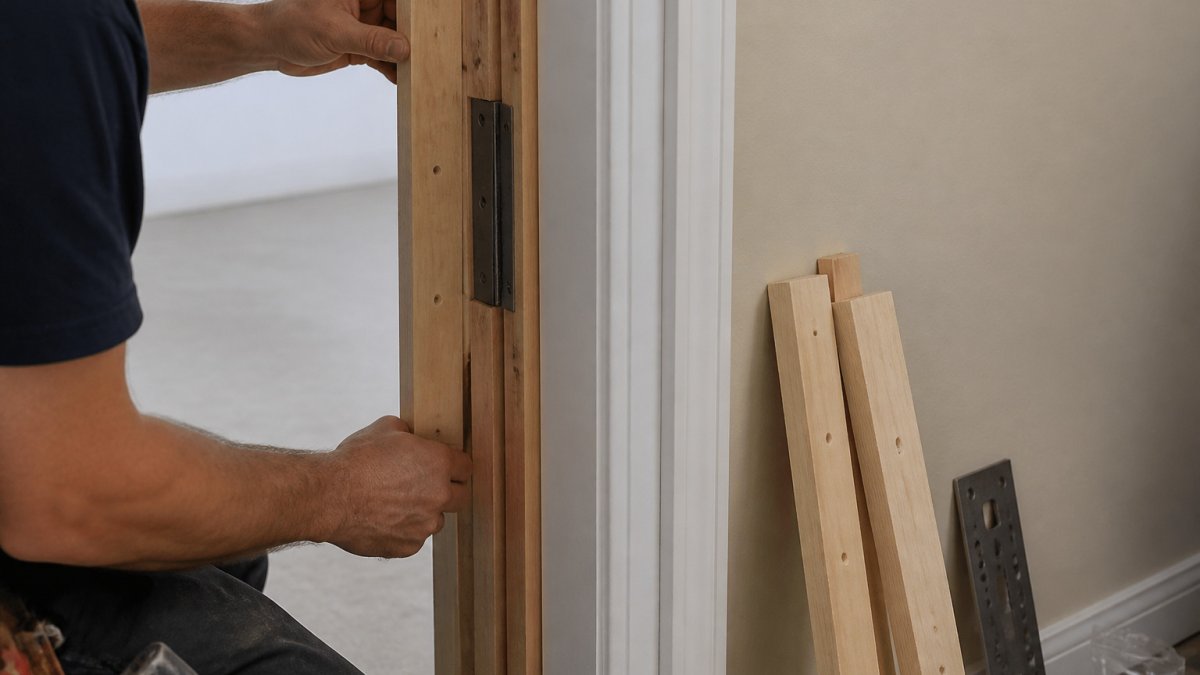
Hardware is where many doors fail first, and the frame is where many hardware failures begin. Criteria for judging quality hardware are covered in What Should You Look for in High Quality Door Hardware? A solid slab hung on undersized hinges in a frame that shifts will bind, drag, and wear out its latch long before the slab itself is spent.
The frame comes first
- Frame material and anchoring. A steel frame resists shifting better than a wood frame in a busy opening, but it must be anchored into solid framing, not just drywall or trim.
- Strike reinforcement. The strike plate is where forced entry and slam damage concentrate. A reinforced strike with long screws into the framing stud is the single most effective upgrade for a high-traffic entry.
- Frame squareness. A frame that is out of square puts constant stress on hinges and the closer. Check it before hanging a heavy slab.
Hinges and closers sized to the slab
- Hinge count and rating. Heavy slabs need more hinges and hinges rated for the door's weight and cycle count. Standard residential hinges are commonly rated for far fewer cycles than commercial hinges.
- Closer sizing. A closer must be matched to the door width and weight; an oversized closer slams the door and an undersized one lets it be forced. Adjustable closing and latching speed is worth having.
- Backcheck and delayed action. These closer features protect the wall and frame from a door thrown open and give slow-moving users time to pass through.
Locks, levers, and accessibility
- Solid, heavy-gauge levers and knobs. Hollow hardware loosens and strips under daily use.
- Accessible operation. Levers and closers must allow easy operation for people with limited strength or mobility; check applicable accessibility requirements for the opening.
- Exit and fire requirements. Doors on a means of egress may need panic hardware or specific latching, and rated assemblies have their own hardware rules. Durability choices cannot override those requirements.
Watch out: Upgrading the slab while leaving the original frame and hinges in place can cause the new door to bind and sag, because the weakest link was never addressed.
A practical specification checklist
Before you buy, confirm each of these for the complete opening:
- Frame material, anchoring method, and strike reinforcement
- Hinge count and cycle rating matched to slab weight
- Closer size, adjustability, and cycle rating
- Lock and lever grade, plus any accessibility or egress requirement
- Weatherstripping and threshold that seal without binding the slab
Specifying the whole opening costs more up front than replacing the slab alone, but it is the difference between a door that lasts a decade of heavy use and one that needs rework in a year.
Keeping High-Traffic Doors Working With Routine Maintenance
Maintenance extends the life of any material. A simple routine catches small problems before they become replacements.
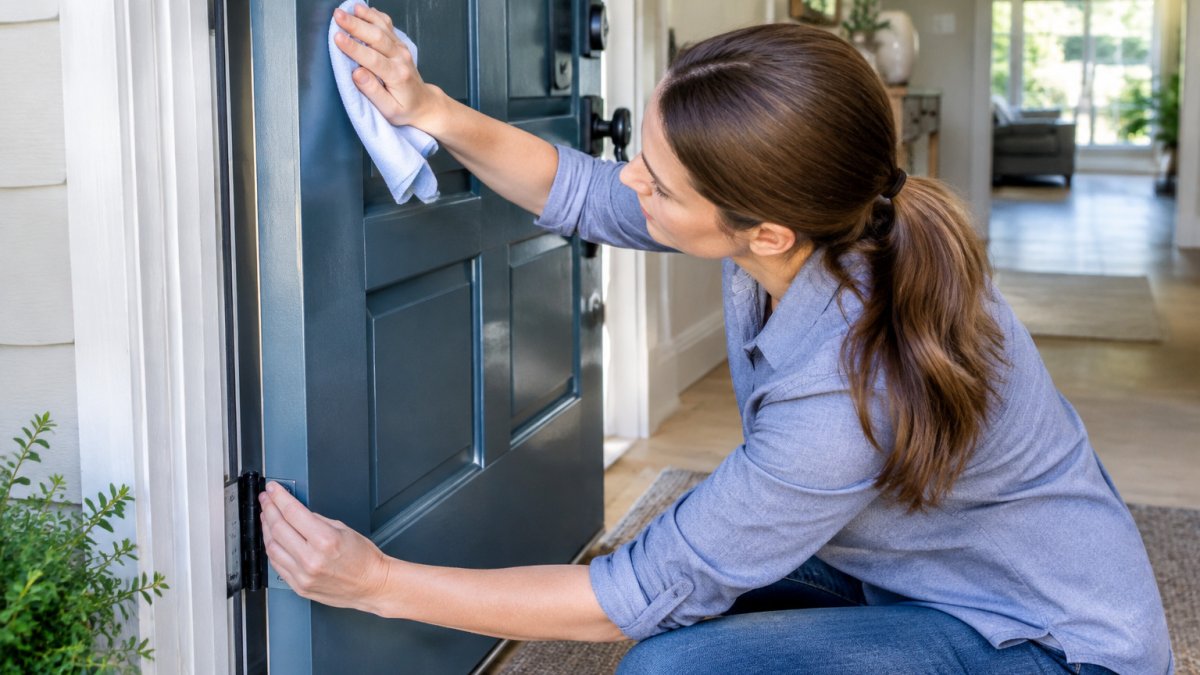
Every few months, check the following: compare weatherstripping options that hold up in Arizona's sun and dust if seals are wearing out.
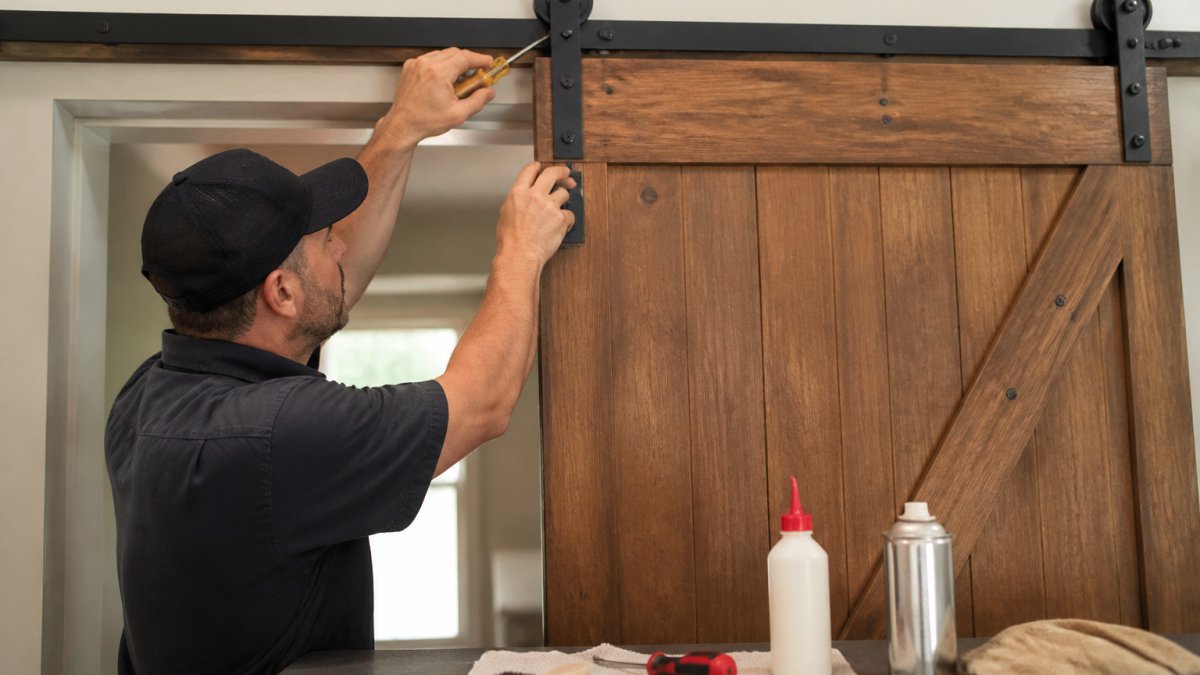
- Tighten hinge screws, since loose hinges cause sagging
- Inspect the finish for chips, cracks, or fading, and touch them up quickly
- Clean the surface with mild soap and water, and avoid harsh chemicals on finishes
- Check weatherstripping for cracks, and replace it when it no longer seals
A homeowner wiping down a painted front door and checking the hinges and strike plate is a good model for this routine.
Booking a Material and Hardware Consultation for Your Project
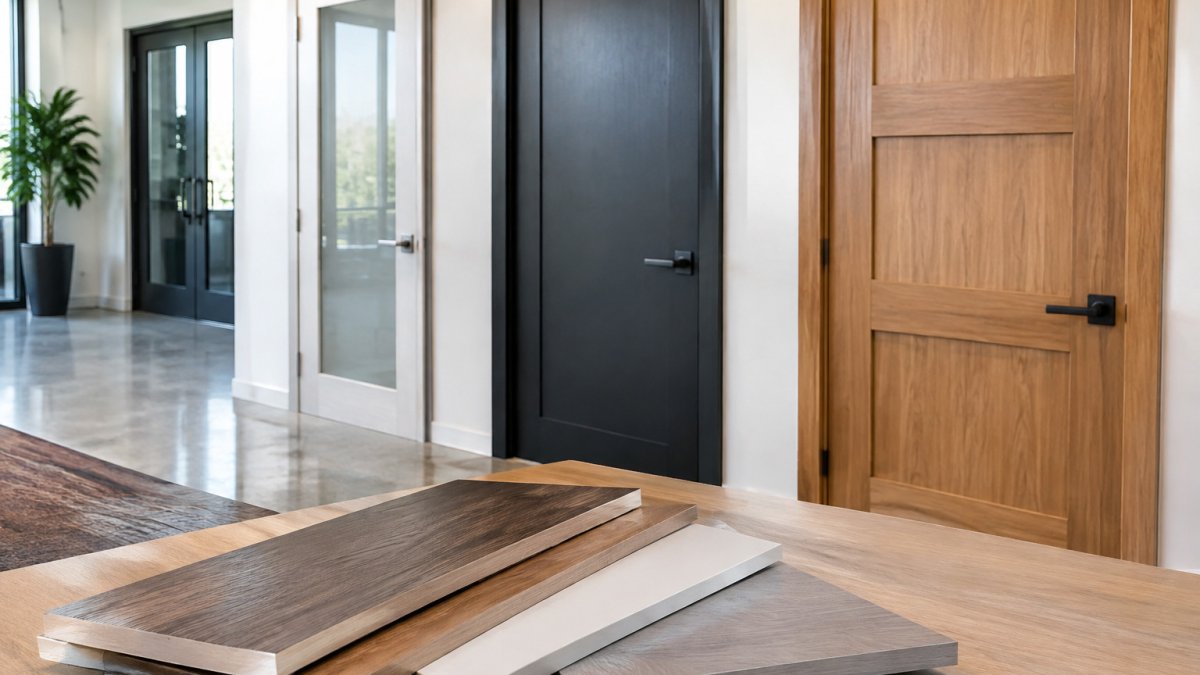
Every project is different, and the right material depends on exposure, traffic, budget, and the look you want. If you are weighing fiberglass against steel for a busy entry, or you need hardware that can handle heavy use, talk through your options with the Arizona Door Store team. We can help you narrow the choices to what fits your door's location and your priorities.
Frequently Asked Questions
What is the most durable door material?
For high-traffic entries, steel and fiberglass consistently rank as the most durable options because they resist dents, warping, and weather better than most wood. Steel offers strong impact resistance and security at a lower cost, while fiberglass resists rust, holds up in Arizona heat and sun, and tolerates daily use without denting. Solid wood can look attractive but needs more finishing and upkeep. The right choice depends on exposure, traffic volume, and how much maintenance you are willing to do. Arizona Door Store can help you compare options for your specific entry.
Are fiberglass doors better than steel for high-traffic areas?
Neither material is universally better. Steel doors are very strong against impacts and forced entry and are often a good fit for busy interior-to-garage or exterior entries where security matters most. Fiberglass doors resist rust, do not dent as easily, and handle sun and temperature swings well, which matters in the Phoenix metro area. Fiberglass can also be finished to resemble wood grain. Consider how much impact the door will see, how much sun it gets, and your appearance goals before deciding.
How often should high-traffic doors be inspected for wear?
A practical schedule is a quick visual check every month and a more thorough inspection every six months. Look at the hinges for loose screws, check that the door latches and closes without rubbing, inspect the weatherstripping for cracks, and examine the finish near the handle and bottom rail where wear concentrates. Address small problems early, such as tightening hardware or resealing a worn spot, to avoid bigger repairs later. Doors in heavy-use entries may need more frequent attention.
What hardware should I pair with high-traffic doors for longevity?
Pair high-traffic doors with heavier-duty hardware such as reinforced hinges and a durable closer. Lever handles are easier to use and hold up better than some knobs under frequent use. Make sure the strike plate and frame are anchored well, since a loose frame can undermine even strong hardware. Arizona Door Store can help you discuss hardware options for your door material and traffic level.