 how-to
What Should You Look for in High Quality Door Hardware?
Last Updated: October 29, 2026
Quick Summary
To choose high quality door hardware, match the function to each room first, then measure the door's backset, bore hole, and thickness before buying. Check that the material is solid, the internal parts are steel, and the deadbolt carries a strong security grade.
- Passage hardware has no lock, privacy hardware locks from inside, and dummy hardware is a fixed handle with no latch.
- Most homes use a backset of either 2-3/8 inches or 2-3/4 inches, and a bore hole of 2-1/8 inches.
- Standard interior doors are 1-3/8 inches thick, while exterior doors are usually 1-3/4 inches.
- Solid brass, bronze, and quality stainless steel hold up for decades, while hollow zinc pits and peels.
- A solid steel bolt with a full 1-inch throw engages the jamb more deeply than a short bolt.
Table of Contents
- Start With Function: Passage, Privacy, and Dummy Hardware
- Door Knob and Handle Types That Fit Each Room
- Measure Before You Buy: Backset, Bore Hole, and Door Thickness
- Door Hardware Durability: Materials and Construction That Last
- Door Hardware Finishes and How They Age
- Exterior Door Hardware: Security, Exposure, and Standards
- Matching Hardware to the Door and Coordinating a Whole Home
- Bring Your Door Specs to Arizona Door Store
- Frequently Asked Questions
Start With Function: Passage, Privacy, and Dummy Hardware
The first decision in choosing door hardware isn't style. It's function. Every knob, lever, and handle you buy falls into one of three groups, and getting this wrong means a return trip to the store.
Passage hardware has no lock.
A common mix-up is buying two matching levers for a double closet door, then learning one side needs a dummy. The fix is simple: map every door in the house before you shop.
- Bathrooms: privacy function
- Bedrooms: privacy or keyed entry
- Closets and hallways: passage function
Door Knob and Handle Types That Fit Each Room
Door knobs and handle types should match how a room is used, not just how it looks. A round knob suits a formal dining room. A lever handle belongs where hands are full or grip is weak.
Here's how we'd assign them:
- Entry doors: a handleset with a grip and a deadbolt, for security and a strong pull
- Kitchens: levers, so you can open the door with an elbow
- Kids' rooms and hallways: levers, easier for small hands
For a deeper look at matching styles to modern interiors, our guide to choosing door handles for modern homes walks through the options.
Knobs vs. Levers: Comfort and Accessibility
Levers win on ease of use. You push down with a fist, an elbow, or a wrist, which matters for older adults, kids, and anyone carrying groceries. Knobs require a firm twist and a good grip.
The trade-off is real, though. Levers catch on sleeves and belt loops in tight hallways. Knobs look tidier in period homes. If accessibility is a priority, levers are the safer call.
Measure Before You Buy: Backset, Bore Hole, and Door Thickness
Measure the door before you buy hardware, or you'll be drilling new holes. Three numbers decide whether a lockset drops in or fights you.
Backset is the distance from the door's edge to the center of the bore hole.
Grab a tape measure and check all three. Also note the cross bore, the smaller hole in the door's edge for the latch.
A Practical Measurement Checklist
Work through these steps at each door before you shop. Write the numbers down or photograph the door edge with a tape measure in frame.
- Door thickness: Measure at the latch edge, not the hinge edge. Interior doors are commonly 1-3/8 inches; exterior and many modern interior doors are 1-3/4 inches. Hardware is sold for a specific thickness range, and a thick-door kit is often a separate SKU.
- Backset: Measure from the door edge to the center of the bore hole. 2-3/8 inches is common on older interior doors; 2-3/4 inches is common on exterior doors and newer construction. Adjustable latches cover both, but fixed latches do not.
- Bore hole diameter: The face bore is typically 2-1/8 inches. A smaller hole means the lockset won't seat; a larger one may need a repair plate or a different trim.
- Cross bore: The edge hole for the latch is typically 1 inch, though some older doors use 7/8 inch. Check the latch faceplate size too, a standard 1-inch faceplate may not cover an existing mortise.
- Spindle and through-bolt spacing: On two-piece handlesets and some levers, the spindle length and through-bolt hole spacing must match the door thickness. Too short a spindle won't engage; too long binds the mechanism.
- Existing lock components: If you're replacing only the trim or the cylinder, note the brand and model of the existing lock. Cylinder profiles and mounting patterns are not universal, and mixing brands can leave you without a working key.
- Door swing and handing: Note whether the door is left- or right-handed and whether it swings in or out. Handlesets and some levers are handed, and the wrong hand means the grip points the wrong way.
- Strike plate and jamb: Check the existing strike plate size and screw spacing. A new latch may need a different strike, and the jamb must be sound enough to hold the screws.
When the Numbers Don't Match
If your door is 1-3/8 inches thick but the hardware is spec'd for 1-3/4 inches, you usually need a thick-door or thin-door adapter kit rather than a new door. If the backset is 2-3/8 inches and the new latch is fixed at 2-3/4 inches, look for an adjustable latch or a different model. If the bore hole is oversized or damaged, a repair plate or wrap plate can restore a clean mounting surface. The goal is to solve the fit at the hardware, not by modifying the door unless you have no other option.
Measure once, write it down, and match the spec sheet line by line. That single habit prevents most of the returns we see.
Door Hardware Durability: Materials and Construction That Last
Door hardware durability comes down to material and how it's made. A hollow zinc knob with a thin plated finish will pit and peel. Solid brass, bronze, and quality stainless steel hold up for decades.
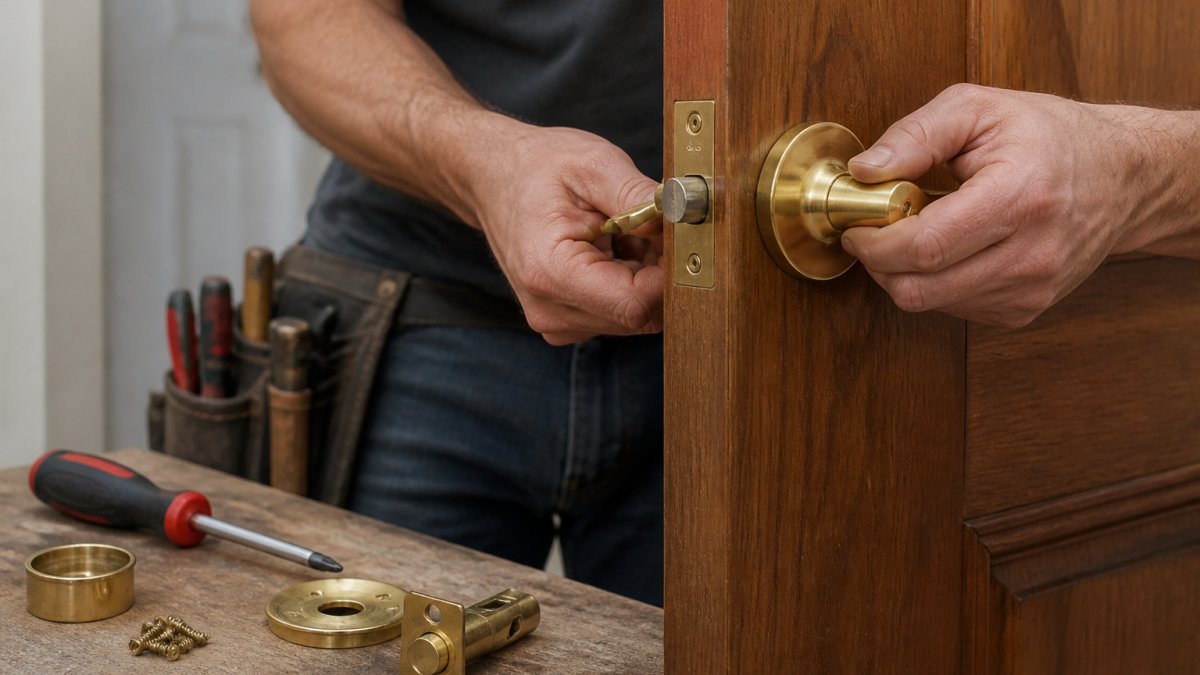
What separates good from cheap:
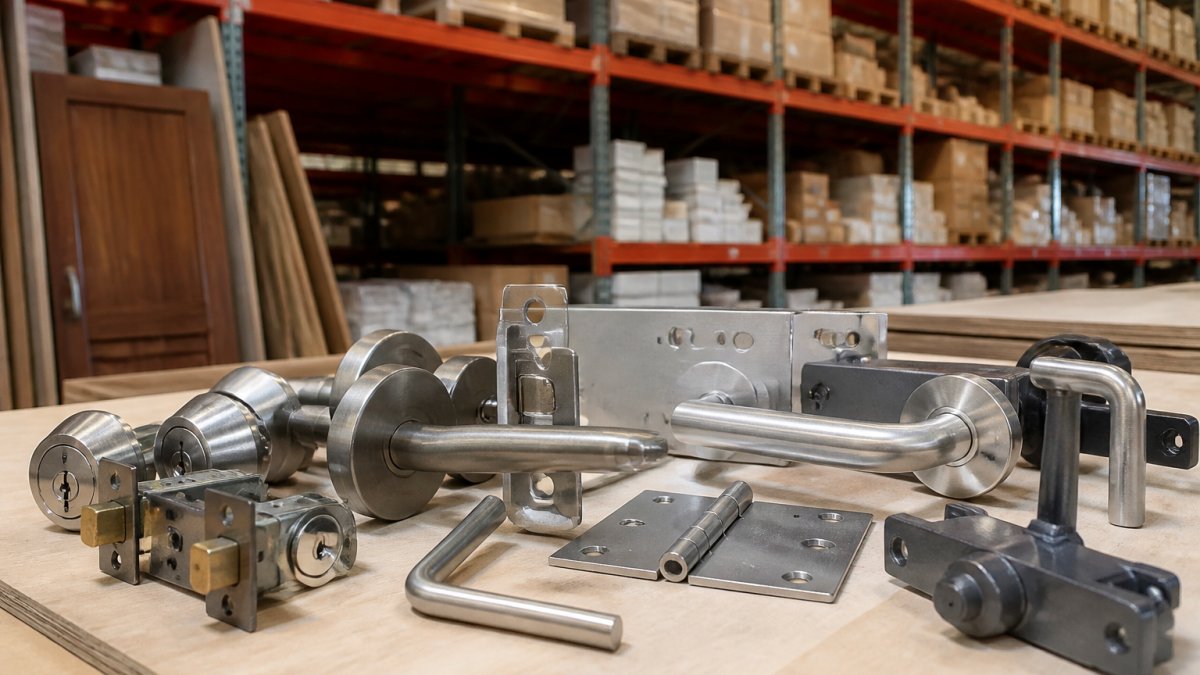
- Weight: a solid lever feels heavy in the hand; a hollow one feels light
- Finish depth: plated finishes wear through to the base metal; PVD coatings resist it
- Internal parts: steel springs and latches outlast plastic
Quality Checks You Can Do in the Showroom
You can judge hardware in about 30 seconds. Turn the lever. It should move smoothly with no grinding or wobble. Look at the rosette and backplate edges for sharp seams or thin plating. Pick it up and feel the weight. Visit our Las Vegas showroom to open full-size displays and handle hardware and finishes in person.
Door Hardware Finishes and How They Age
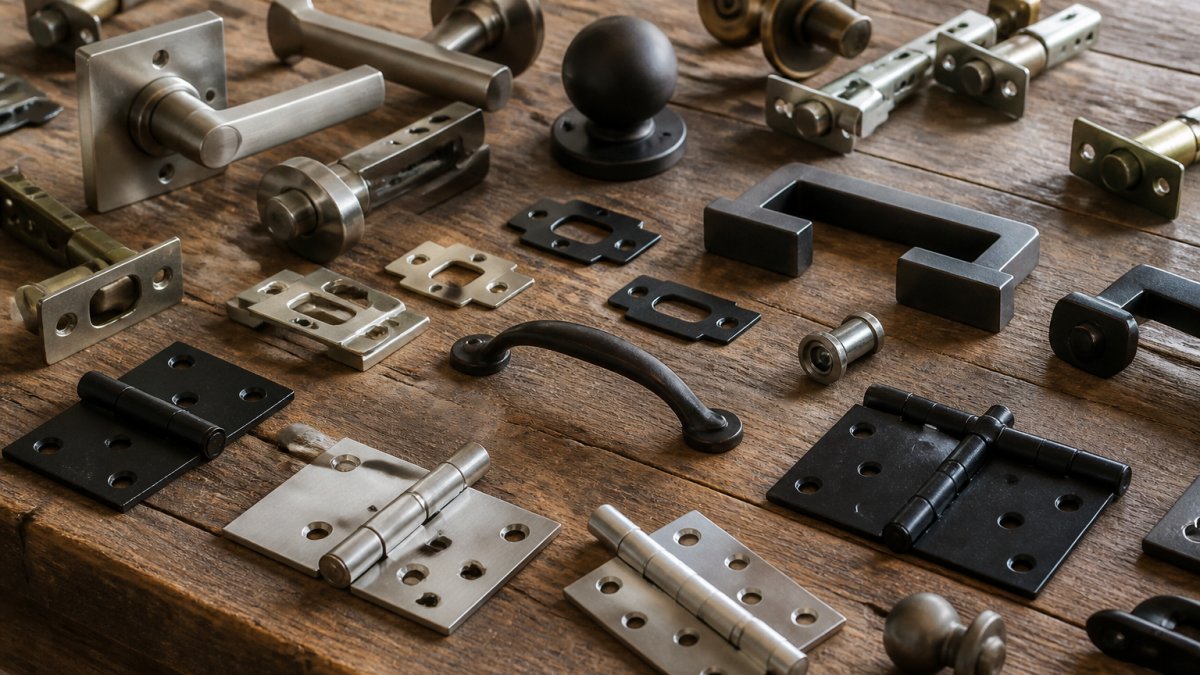
Door hardware finishes don't just change the look. They change how the piece wears. Polished brass shines but shows fingerprints and tarnish. Satin nickel and brushed finishes hide smudges and scratches. Oil-rubbed bronze darkens with age, which some love and others don't.
For desert sun and dry air, finish choice matters more than most guides admit. Our breakdown of the best door hardware finishes for desert weather covers which coatings hold up under UV and heat. If long-term wear is your main concern, this guide to finishes built for longevity goes deeper.
Exterior Door Hardware: Security, Exposure, and Standards
Exterior door hardware has to do two jobs: keep the door shut and keep people out. Look for a strong security rating on the deadbolt itself. A deadbolt with a solid steel bolt and a reinforced strike plate is the baseline.
Exposure is the other half. Sun, heat, and dust wear down finishes and dry out lubricants. Stainless steel and powder-coated finishes last longer outdoors. For climate-specific guidance, see our guide on choosing door hardware for desert climates.
What Security Ratings Actually Mean
The important distinction is between decorative hardware and the lock that actually secures the door. A handsome handleset is trim; the deadbolt and its strike are the security. When you shop, confirm the grade of the deadbolt itself, not just the handleset.
Also check the bolt: a solid steel bolt with a full 1-inch throw engages the jamb more deeply than a short bolt.
Exposure, Corrosion, and Finish Upkeep
Outdoor hardware faces UV, temperature swings, moisture, and dust. The finish is the first line of defense, and the base metal underneath decides how long it lasts once the finish wears.
- Base metal: 300-series stainless steel resists corrosion best in humid or coastal conditions. Solid brass holds up well but tarnishes. Zinc die-cast is common and affordable but pits once plating fails.
- Finish type: PVD (physical vapor deposition) coatings are harder and more wear-resistant than conventional plated finishes. Powder-coated finishes resist chipping but can fade under strong UV.
- Maintenance: Wipe exterior hardware with a damp cloth and mild soap; avoid abrasive cleaners that scratch the coating. Apply a manufacturer-approved lubricant to the cylinder and latch once or twice a year, and more often in dusty conditions. Check screws and strike plates seasonally and tighten as needed.
Matching Security to the Door
An exterior door needs a deadbolt, and the door itself must be solid enough to hold it. A hollow-core door cannot support a deadbolt reliably; exterior doors should be solid wood, fiberglass, or steel with a reinforced lock block.
Bring your door thickness, backset, and existing lock brand to the supplier. Matching the deadbolt grade and the handleset finish in one trip is far easier than piecing it together online.
Matching Hardware to the Door and Coordinating a Whole Home
Matching hardware to the door means checking three things: door material, door thickness, and how the door swings. A solid wood door can carry heavier hardware. A hollow-core door needs lighter pieces with proper anchoring.
Then coordinate the whole home. Pick one finish family and one lever or knob shape, then vary only the function. That keeps a house looking intentional instead of pieced together.
| Room | Function | Suggested Type | Finish Tip |
|---|---|---|---|
| Front entry | Keyed + deadbolt | Handleset | Match exterior metal |
| Bathroom | Privacy | Lever | Satin nickel hides prints |
| Bedroom | Privacy | Knob or lever | Stay consistent home-wide |
| Closet | Passage or dummy | Knob or pull | Cheapest durable option |
| Hallway | Passage | Lever | Keep same shape as rooms |
Bring Your Door Specs to Arizona Door Store
The hardest part of buying door hardware isn't picking a finish. It's getting the measurements right and keeping the whole house consistent.
Arizona Door Store is family-owned, with design centers in Scottsdale and Phoenix and reliable delivery to job sites across the region.
Get started with Arizona Door Store and bring your door specs, measurements, and room list. We'll help you pick hardware that fits right the first time.
Frequently Asked Questions
What should I look for when choosing door hardware?
Check four things before you buy: function, fit, material, and finish. Confirm the function matches the room (passage, privacy, or dummy), then measure the backset, bore hole, and door thickness so the hardware actually fits. Look for solid construction such as solid brass or stainless steel rather than hollow zinc, and pick a finish rated for where the door sits. Hardware that matches all four criteria will operate smoothly and hold up for years.
How can you tell if door hardware is high quality?
Pick it up and work it. High quality door hardware has noticeable weight, a smooth turn with no grinding or wobble, and tight seams between the rose, backplate, and lever. Look at the latch: a solid, thick latch bolt with a smooth finish signals better construction than a thin stamped one. Screws should be machine-cut, not self-tapping. Ask what the warranty covers, since a long warranty on the finish and mechanism is a reliable quality signal.
What is the most durable finish for door hardware?
For exterior door hardware, physical vapor deposition (PVD) finishes and powder-coated finishes hold up best against sun, dust, and temperature swings. Solid brass with a lacquer coat is durable but the lacquer can wear in high-touch spots. Oil-rubbed bronze and antique finishes age intentionally, which some homeowners like and others do not. On interior doors, most finishes last decades because they avoid UV and weather exposure.
Do door handles need to match throughout a house?
They do not have to match exactly, but they should relate. A common approach is one finish family throughout the home, with levers in living areas and knobs where you prefer the look. Keep the same finish on all exterior doors for a consistent street view. In a whole-home renovation, choose the finish before you choose the door slabs, because switching finishes later means replacing working hardware.
Door hardware rewards a little planning. Measure your doors, map the functions, and choose materials that match the exposure. Do that, and the hardware will outlast the paint on the walls.