 listicle
Best Door Hardware Finishes for Longevity
Table of Contents
- What Makes a Door Hardware Finish Last?
- PVD vs Plated Door Hardware: Which Coating Wins?
- Best Door Hardware Finishes for Longevity: Top Picks Compared
- Best Door Hardware for Coastal Homes: Salt, Humidity, and Finish Survival
- How to Clean Door Hardware to Prevent Finish Wear
- Climate-Specific Performance: What Works in Desert Heat vs. Coastal Humidity
- Installation Impact on Longevity and Warranty Analysis
- Frequently Asked Questions
Last Updated: September 14, 2026
What Makes a Door Hardware Finish Last?
The best door hardware finishes for longevity are those that bond the finish to the base metal rather than layering it on top. Three factors decide whether a handle still looks new after a decade of daily use: the base metal underneath, the coating method, and the environment it faces.
Door hardware finish longevity is the measure of how long a decorative surface resists corrosion, abrasion, fading, and oxidation under real-world use. It is a function of base metal quality and coating technology, not color choice.
Material Composition: Brass, Zinc, Iron, and Stainless Steel
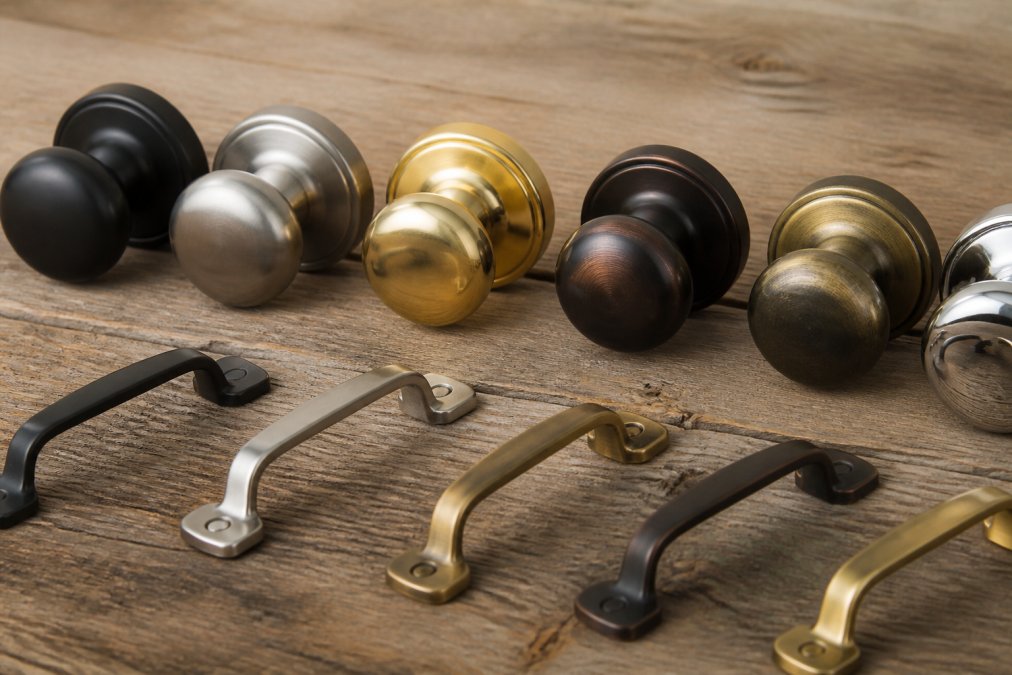
Solid brass holds a finish longest because the metal itself resists corrosion, so even a worn spot stays gold-toned rather than turning silver. Zinc alloy costs less and takes plating well, but once the coating chips, the gray base metal shows through. Cast iron brings density and impact resistance, and stainless steel offers the strongest natural corrosion resistance of the four. The base metal sets the ceiling on finish longevity, and no coating can raise it.
PVD vs Plated Door Hardware: Which Coating Wins?
PVD coating wins on durability. Physical vapor deposition bonds a metal vapor to the substrate at the molecular level, producing a surface that resists scratching, tarnishing, and fading far longer than electroplating (astm.org). Plated finishes sit on top of the base metal and depend on a clear coat or lacquer to survive.
That difference matters most in high-traffic areas. Plated finishes chip at edges and wear at the touch point where a hand grips the lever daily. PVD finishes hold their color and resist abrasion because there is no separate layer to peel away. The trade-off is cost and color range: PVD covers fewer finishes, but the ones it covers last.
Best Door Hardware Finishes for Longevity: Top Picks Compared
Brand reputation matters less than three measurable specs: base metal, coating method, and the warranty language attached to the finish. The picks below are grouped by what actually drives longevity, not by showroom appeal.
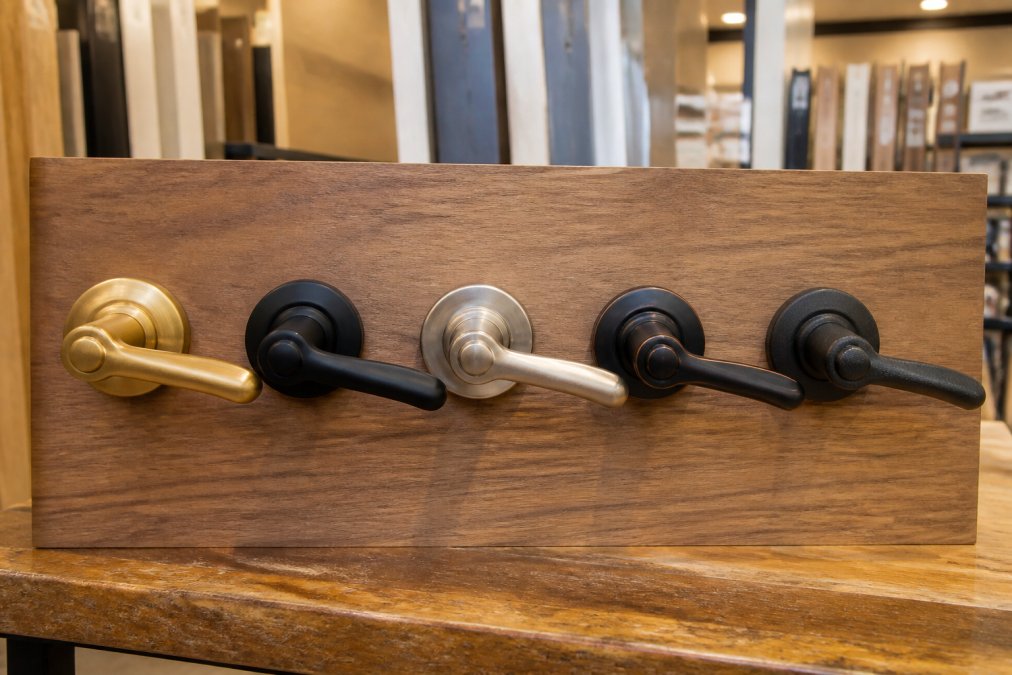
Forged Brass and Bronze: Baldwin, Emtek, Rocky Mountain Hardware
Baldwin forges solid brass rather than casting or plating zinc, and forged brass resists the structural flexing that cracks coatings on lighter handles. Baldwin's lifetime finish warranty covers tarnish and corrosion on residential use, but it excludes damage from abrasive cleaners and improper installation, so read the exclusions before assuming "lifetime" means unconditional.
Emtek offers PVD options on solid brass and bronze, which is the combination that survives high-touch levers best. Custom configurations carry longer lead times than stock, so factor that into a project schedule.
Rocky Mountain Hardware casts solid silicon bronze with living finishes that patina rather than degrade. That is the right call if you want hardware that ages gracefully, and the wrong call if you want a finish that looks identical in year ten to year one.
Commercial-Grade Residential: Schlage and Yale (Accentra)
Schlage's ANSI/BHMA Grade 1 and Grade 2 ratings cover cycle life and finish testing, and its higher-grade lines use brass and zinc combinations that hold up in high-traffic entryways (Product Classification & Grade Levels). Entry-level models use lighter materials, so choose the higher grades for exterior doors.
Yale (Accentra) brings commercial-grade engineering to residential doors, with consistent satin nickel and oil-rubbed bronze finishes and rigorous cycle testing. The aesthetic leans functional rather than decorative.
Budget and Rental: Kwikset and Copper Creek
Kwikset keeps costs down with protective clear coats over zinc alloy and SmartKey re-keying. Finishes wear faster than solid brass, so it suits budget projects and rentals rather than forever homes.
Copper Creek offers matte black, satin brass, and other current finishes at a moderate price. It is not as heavy-duty as forged brass, but quality control is consistent for the price.
Specialty and Historic: Ageless Iron and Alexander Marchant
Ageless Iron uses cast iron with black powder-coated finishes, giving it strong resistance to surface dings and corrosion. Finish variety is limited compared with brass makers, but durability is not the weak point.
Alexander Marchant curates architectural-grade finishes like unlacquered brass and gunmetal for designers who need specific looks. Premium pricing matches the high-end positioning.
| Brand | Base Material | Coating Method | Warranty Focus | Best For |
|---|---|---|---|---|
| Baldwin | Forged brass | Plated or PVD | Lifetime finish (residential) | Luxury, long-term homes |
| Schlage | Brass and zinc | Plated with clear coat | Grade 1/2 cycle and finish testing | Security plus durability |
| Emtek | Brass and bronze | PVD available | Limited finish warranty | Custom design |
| Rocky Mountain | Silicon bronze | Living patina | Material warranty | Rustic custom homes |
| Kwikset | Zinc alloy | Clear coat | Limited finish warranty | Budget projects |
| Ageless Iron | Cast iron | Powder coat | Limited finish warranty | Industrial and historic |
| Yale (Accentra) | Mixed metals | Plated | Commercial-grade testing | Smart home integration |
| Copper Creek | Zinc and brass | Protective coating | Limited finish warranty | Trend finishes |
| Alexander Marchant | Architectural metals | Various | Designer-grade | Architect specs |
ANSI/BHMA finish and cycle test standards
Best Door Hardware for Coastal Homes: Salt, Humidity, and Finish Survival
Salt air destroys plated finishes faster than anything else, so coastal homes need PVD, powder-coated, or solid bronze hardware and a rinse schedule. Humidity accelerates oxidation, and salt deposits eat through clear coats within a season or two on exposed exterior doors.
For coastal properties, prioritize stainless steel, silicon bronze, or PVD-coated brass. Avoid oil-rubbed bronze on exterior doors near the water unless you accept patina as part of the look. Rinse exterior hardware monthly with fresh water to remove salt buildup, and dry it fully to stop oxidation before it starts.
How to Clean Door Hardware to Prevent Finish Wear
Clean door hardware with a soft cloth, mild soap, and water, then dry it immediately. Abrasive cleaners and ammonia-based products strip lacquer and accelerate finish degradation, which is the single most common cause of premature wear we see.
Step-by-Step Cleaning Protocol
- Dust the hardware with a microfiber cloth to remove grit before it scratches.
- Mix a few drops of mild dish soap in warm water.
- Wipe the surface with a damp cloth, working around the lever and backplate.
- Rinse with a clean damp cloth so no soap residue remains.
- Dry immediately with a soft towel to prevent water spots and oxidation.
- Apply a non-abrasive wax to brass or bronze twice a year for extra protection.
Climate-Specific Performance: What Works in Desert Heat vs. Coastal Humidity
Desert heat and coastal humidity attack finishes in opposite ways, and hardware that survives one often fails the other. In desert climates, intense UV exposure and airborne dust act like sandpaper on exterior finishes, fading lacquer and wearing down powder coats over time. Matte black and powder-coated finishes handle UV better than high-gloss plated surfaces, which show fading faster.
Coastal humidity drives oxidation and salt corrosion, so stainless steel and PVD-coated brass outperform oil-rubbed bronze and unlacquered finishes. Inland, low humidity slows corrosion but concentrates dust, which means abrasion resistance matters more than corrosion resistance. Match the finish to the dominant threat: UV and dust inland, salt and moisture on the coast.
Installation Impact on Longevity and Warranty Analysis
Installation decides how long a finish lasts as much as the coating does, and almost no competing guide covers it. Over-tightened screws crack backplates, misaligned strike plates force levers to grind against the frame, and poor door prep leaves gaps where moisture reaches the hardware. Each of those failures shows up as finish wear long before the coating should fail.
How Installation Damages Finishes
- Over-torquing screws. Driving latch and strike screws past snug compresses the backplate and cracks the clear coat at the screw holes. That crack is where corrosion starts.
- Mismatched fasteners. Using a screw with a different head profile or thread pitch than the manufacturer supplies can strip the finish around the hole and void the finish warranty.
- Out-of-square doors. A door that is not plumb and square forces the latch to drag, which wears the finish at the strike plate edge and the latch face.
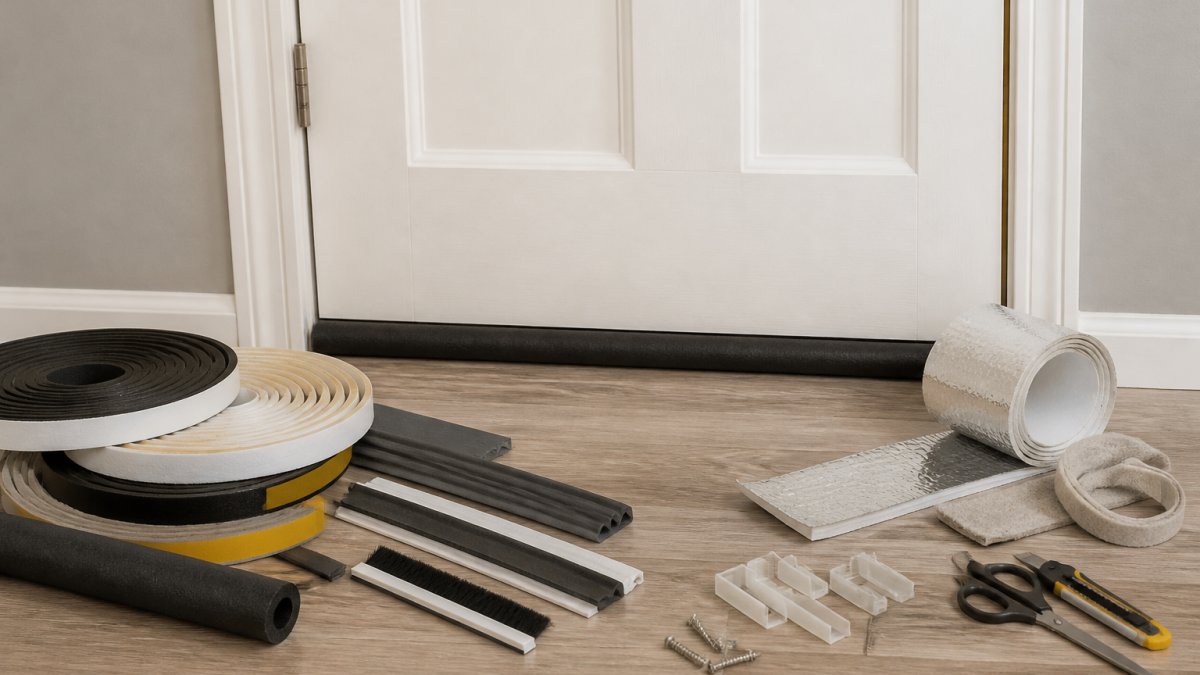
- Missing or compressed weatherstripping. Gaps let moisture and salt air reach the interior face of exterior hardware, accelerating oxidation on the side you cannot see.
A common pattern in service calls is a handle that failed in three years on a door that was never set square. The finish gets blamed; the installation caused it.
What "Lifetime Finish" Actually Covers
Most manufacturers cover finish defects such as tarnish, corrosion, and peeling under normal residential use, but the exclusions are where the real story lives. Typical exclusions include:
- Damage from abrasive or ammonia-based cleaners
- Improper installation, including over-tightening and mismatched fasteners
- Coastal or salt-air exposure without a documented maintenance routine
- Commercial or high-traffic use on a residential-warranty product
That means a failed finish on a poorly hung door, or on a coastal door that was never rinsed, is your cost, not theirs. Before you buy, read the finish warranty section specifically, not just the headline term.
Installation Checklist to Protect the Finish
- Set the door plumb and square before hanging hardware.
- Use the fasteners supplied with the hardware; do not substitute.
- Torque screws to snug, not tight; stop when the plate seats.
- Check latch and strike alignment so the lever does not grind.
- Seal exterior gaps with weatherstripping to keep moisture off the hardware.
- Record the install date and keep the receipt; most finish warranties require proof of purchase.
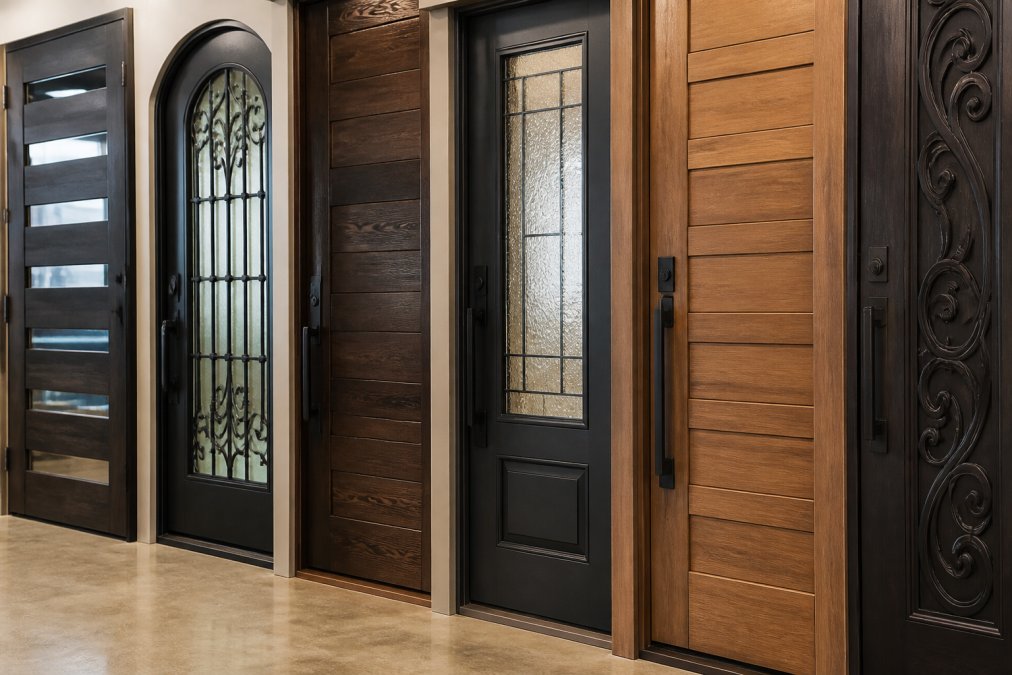
Sourcing doors and hardware together from one supplier can help avoid mismatches that cause many installation failures.
Frequently Asked Questions
What is the most durable finish for exterior door hardware?
PVD (physical vapor deposition) finishes are the most durable for exterior door hardware. They bond to the base metal at a molecular level, resisting corrosion, abrasion, and fading far better than traditional electroplating or lacquer. Solid brass with a PVD coating, or powder-coated cast iron, also performs well in high-moisture or high-UV environments. For coastal or desert climates, PVD on brass or stainless steel offers the longest finish longevity.
How do PVD finishes compare to traditional plated finishes for longevity?
PVD finishes last significantly longer than traditional plated finishes. Electroplating creates a thin layer that can chip, fade, or wear through in high-traffic areas. PVD bonds at the molecular level, delivering superior abrasion resistance and corrosion resistance. In salt-spray and wear tests, PVD finishes often outlast plated finishes by several times. For exterior doors or commercial-grade hardware, PVD is the better long-term investment.
Does matte black hardware hold up well over time?
Matte black hardware can hold up well if the finish is powder-coated or PVD. Lower-cost matte black finishes that rely on paint or thin lacquer may chip or fade, especially on exterior doors exposed to UV light. Powder-coated cast iron or PVD-coated matte black options resist surface wear and oxidation much better. In high-traffic areas, expect premium matte black to maintain its appearance for years with minimal maintenance.
How does climate impact the longevity of door hardware finishes?
Climate plays a major role. Coastal homes face salt air and humidity, which accelerate corrosion on zinc and steel; stainless steel or PVD-coated brass is best there. Desert climates expose hardware to intense UV and temperature swings, causing fading and oxidation on lacquered or painted finishes. In both cases, powder-coated or PVD finishes resist degradation better than traditional electroplating. Choosing the right finish for your climate prevents premature wear.
What are the best low-maintenance door hardware finishes?
PVD-coated brass, stainless steel, and powder-coated cast iron are the best low-maintenance options. These finishes resist fingerprints, tarnish, and corrosion with minimal cleaning. Satin nickel and matte black with PVD also perform well. Avoid unlacquered brass or oil-rubbed bronze if you want a static look, as they develop a patina. For a finish that stays consistent with just occasional wiping, PVD on brass or stainless steel is your best bet.