 how-to
Common Types of Door Shipping Damage to Look For
Last Updated: November 5, 2026
Quick Summary
Door shipping damage falls into four main groups: surface marks like scratches and dents, corner and edge crushing, cracked frames and panels, and hardware failure. Check the full face, all four corners, both vertical edges, the frame and TDL bars, and the hinges, locks, and locking rods before signing the delivery receipt.
- Surface damage is the most common and easiest to overlook, so run your hand across the door face.
- A crushed corner can knock the door out of square, showing up later as a bad fit.
- Test hardware in order: hinges first, then latch and deadbolt, then locking rods.
- Never sign a clean receipt until inspection is done; write subject to inspection if needed.
- Keep packaging, wrap, straps, and pallet until the claim closes.
Table of Contents
- Why Door Shipping Damage Is Easy to Miss at the Curb
- Common Types of Door Shipping Damage to Look For
- Hardware and Component Damage: Hinges, Locks, and Locking Rods
- Packaging, Pallet, and Exterior Condition Checks
- How to Inspect a Door for Shipping Damage: A Step-by-Step Workflow
- Your Door Delivery Inspection Checklist
- Door Shipping Damage Photos and Documentation
- What to Do If a Door Arrives Damaged
- Frequently Asked Questions
Why Door Shipping Damage Is Easy to Miss at the Curb
Most door shipping damage gets signed off before anyone notices it. The truck is running late, the driver is in a hurry, and a quick glance at a wrapped slab on a pallet feels like enough. It isn't. A door is heavy, flat, and awkward to move, which makes it a magnet for impact, moisture, and pressure damage during freight delivery. Below, we'll show you exactly what to check, in what order, and how to document it before the truck leaves. The first rule: slow down at the tailgate.
Common Types of Door Shipping Damage to Look For
Door shipping damage falls into four main groups: surface marks, corner and edge crushing, frame and panel cracks, and hardware failure. Each one shows up in a different place, so you need to check the whole door, not just the face. Here are the specific types to scan for, and what each one looks like in practice.
Scratches, Dents, and Surface Damage
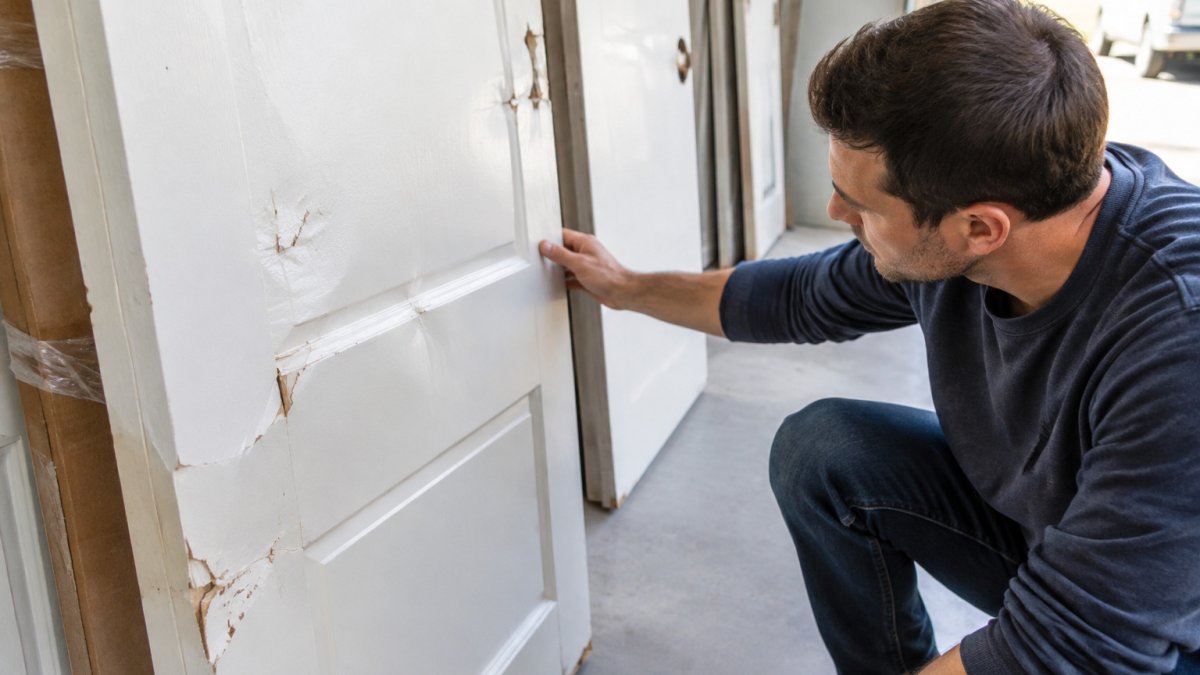
Surface damage is the most common and the easiest to wave off. Look for scratches in the finish, shallow dents, and scuff marks where straps or wrap rubbed through. Run your hand across the face; your palm catches what your eyes skip. Small dings on a stained door often mean a full refinish, not a touch-up.
Crushed Corners and Edge Damage
Corners take the first hit in any freight delivery. Check all four corners and both vertical edges for crushed wood, splintered veneer, or compressed framing. A crushed corner can knock the door out of square, which shows up later as a bad fit and rub marks. Edge damage on the lock side is the worst spot; that's where the hardware has to line up.
Cracked Frames, Panels, and TDL Bars
Cracks are the damage type people miss most. Look along the frame, around each panel, and at the TDL bars on divided-light doors. Hairline cracks in the frame spread once the door hangs and swings. On glass-lite doors, check the bars and the glazing for movement or chips.
The article groups door shipping damage into four main types, each showing up in a different place on the door.
| Damage type | Where to check | What it looks like |
|---|---|---|
| Scratches, dents, surface damage | Full face of the door | Scratches in finish, shallow dents, scuff marks |
| Crushed corners and edge damage | All four corners, both vertical edges | Crushed wood, splintered veneer, compressed framing |
| Cracked frames, panels, TDL bars | Frame, around each panel, TDL bars | Hairline cracks that spread once hung |
| Hardware failure | Hinges, locks, locking rods | Bent hinge leaf, misaligned mortise, shifted rod |
Hardware and Component Damage: Hinges, Locks, and Locking Rods
Hardware damage hides in plain sight, and it can turn a cosmetic-looking delivery into a functional failure at install.
Hinges. Open the door to about 90 degrees and let it rest. A hinge that binds, pops, or feels gritty through the swing usually means a bent leaf or a screw pulled loose from the jamb.
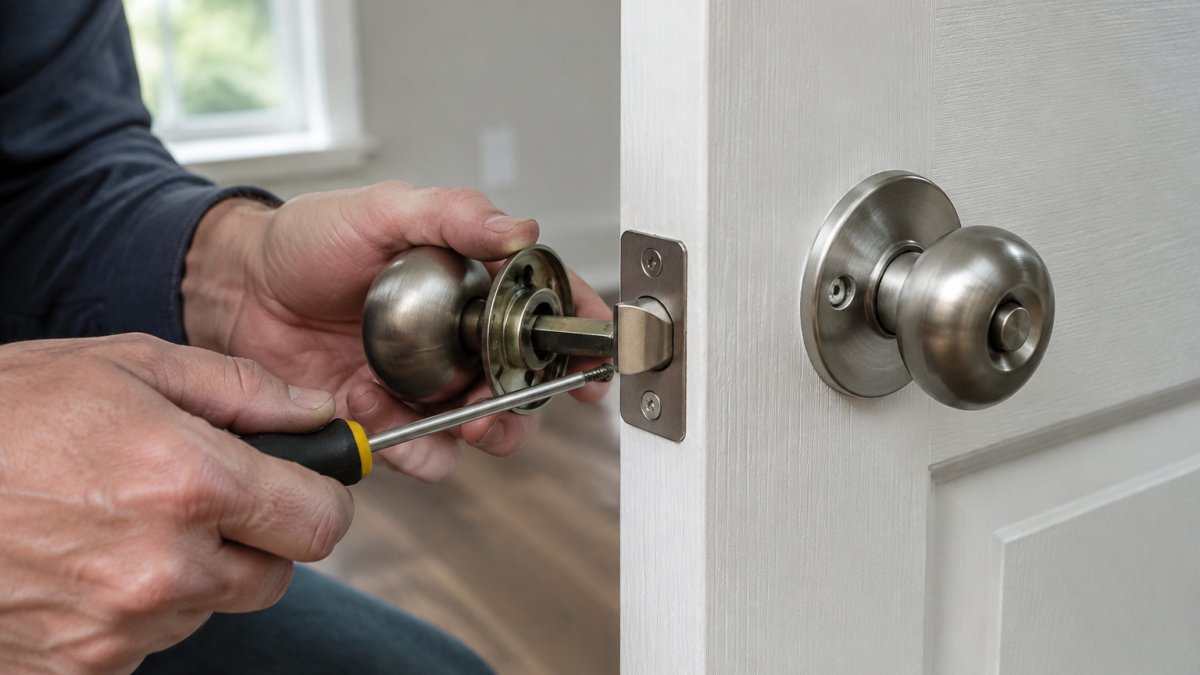
Locks, latches, and deadbolts. Turn the latch and deadbolt by hand before installation. A lock that won't turn, turns roughly, or fails to throw fully is a red flag even when the slab looks perfect.
Locking rods and multipoint mechanisms. Exterior and patio doors often ship with vertical locking rods, flush bolts, or multipoint hardware. These are the most transit-sensitive components because a rod that shifts even a fraction of an inch will fail to engage its keeper.
Corrosion and moisture exposure. Rust or corrosion on hinges, screws, rods, or lock bodies points to moisture exposure during transit, which you should treat as a separate problem from impact damage.
Material-specific failure points. Steel, wood, and glazed or fiberglass doors each show hardware damage in different places, so know where to look for the material you are receiving. If you are evaluating hardware quality before you accept the delivery, it helps to know what to look for in high quality door hardware.
Watch out: a lock that turns freely on the bench but binds once the door is hung usually means the frame is out of square, so note the binding at delivery rather than assuming it will resolve at install.
Packaging, Pallet, and Exterior Condition Checks
Exterior packaging tells you what happened before you opened anything. Walk around the pallet and check the wrap, straps, and corners before you touch the door. Signs to note:
- Torn wrap or stretch film pulled away from the door
- Crushed or split pallet deck boards
- Loose or cut straps
- Water stains, damp cardboard, or a musty smell
- Puncture marks or dark scuffs from impact
- Doors stacked or leaning at an angle
Improper stacking and improper dropping are two of the most common causes of hidden damage. If the packaging looks rough, assume the door needs a closer look. For practical ways to avoid these problems before they start, see our guide on how to avoid damaged door deliveries.
How to Inspect a Door for Shipping Damage: A Step-by-Step Workflow
Inspection works best as a fixed sequence, so nothing gets skipped. Follow the same order every time: packaging, then surface, then edges and corners, then frame and panels, then hardware. Photograph as you go. This workflow is how to inspect a door for shipping damage without missing the hidden stuff.
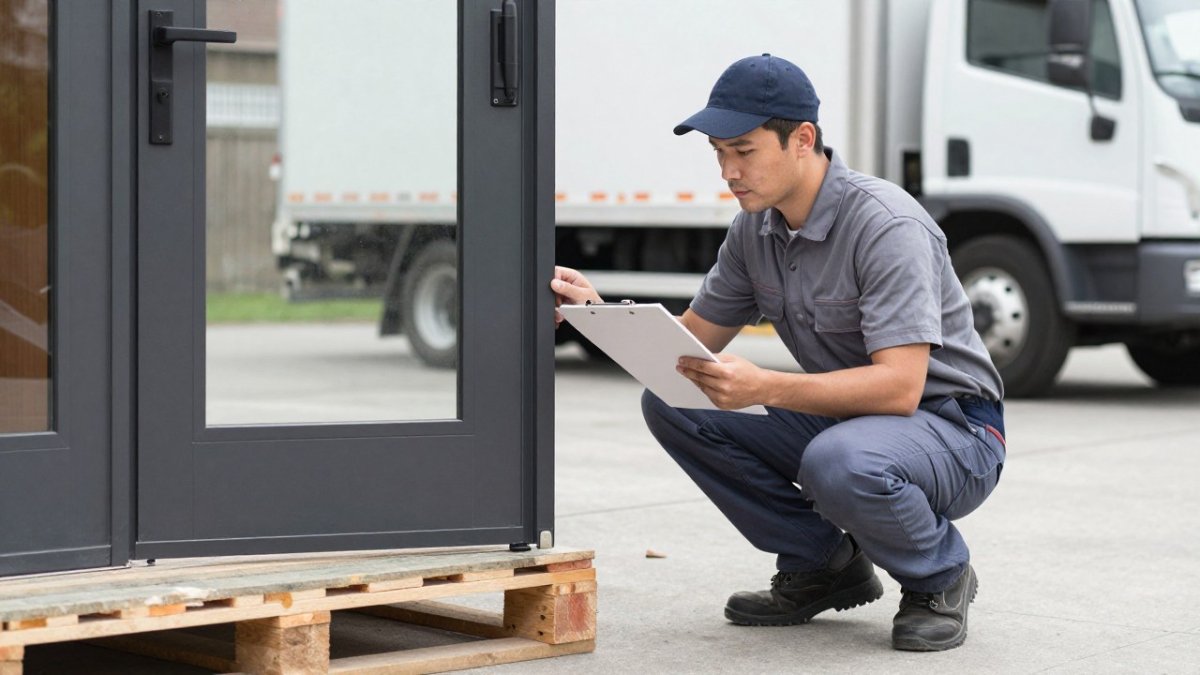
- Check the pallet and exterior wrap before you unwrap anything.
- Photograph all four sides of the packaging as it arrived.
- Unwrap and check the full face for scratches and dents.
- Run a hand along every edge and corner.
- Inspect the frame, panels, and TDL bars for cracks.
- Test hinges, locks, and locking rods.
- Check for water stains, rust, or a damp smell.
- Photograph any damage with a tape measure in frame.
Before You Sign the Delivery Receipt
Never sign a clean receipt until the inspection is done. If the driver won't wait, write "subject to inspection" and note any visible packaging damage on the receipt. A signature is hard to undo. Notes and photos taken at the curb are your best evidence if a claim is needed.
Your Door Delivery Inspection Checklist
A door delivery inspection checklist keeps the process consistent from job to job. Print it, or keep it on your phone, and run it every time a freight delivery arrives.
- Pallet deck intact, no split boards
- Wrap and straps tight, no tears
- No water stains or damp packaging
- Face free of scratches and dents
- All four corners intact
- Edges free of crushing
- Frame and panels free of cracks
- TDL bars and glazing secure
- Hinges, locks, and locking rods work
- Photos taken of packaging and any damage
- Receipt noted before signing
Door Shipping Damage Photos and Documentation
Door shipping damage photos and documentation decide most claims, and the difference between a paid claim and a denied one is usually the shot list and the paper trail, not the severity of the damage.
The photo set. Start wide and work close. Take one wide shot of the pallet and packaging as it sits on the truck or in the driveway, framed so the whole door and pallet are visible.
What to write down. Record the date and time of delivery, the carrier name, the driver name or ID if shown, the tracking or PRO number, and the pallet or carton count. Factual notes about packaging and damage patterns can also sharpen receiving procedures for avoiding damaged deliveries of bathroom fixtures.
Preserve the evidence. Keep the packaging, wrap, straps, and pallet until the claim closes. Carriers and suppliers commonly ask for the original packaging, and a claim can stall if it has been discarded.
Same-day notice. Send a short written notice to the supplier the same day, with the photos attached and the damage list in the body of the message. A written record sent within hours of delivery carries far more weight than a phone call days later.
Hidden damage. If damage only appears after the packaging is removed or after the door is hung, document it the same way and report it as soon as it is found. Our guide to preventing common door delivery damage covers the damage types worth flagging in detail.
Watch out: photos taken after the packaging is gone and the door is moved into the shop are much weaker evidence, so shoot the packaging and the door in place before anything is relocated.
What to Do If a Door Arrives Damaged
What to do if a door arrives damaged comes down to three steps: stop, document, and report. Don't install the door. Don't throw out the packaging. Photograph everything and contact the supplier the same day with your notes and images. Most suppliers will guide you through repair, replacement, or a claim, but only if the evidence is fresh. If you're mid-project and need a replacement fast, schedule a no-obligation consultation so we can measure, walk through options, and get you a written estimate without pressure.
Frequently Asked Questions
Should I accept a door delivery if the packaging is damaged?
Accept it only after you inspect the door itself, not just the wrap. Note any torn wrap, crushed corners, or pallet damage on the delivery receipt before signing, and photograph the packaging as it arrived. If the door shows punctures, cracked panels, or bent hardware, ask the driver to wait while you document it and mark the receipt as damaged. Signing a clean receipt can make a later claim harder to support.
How soon should I report door shipping damage?
Report it the same day the door arrives, and no later than the window your supplier sets in its delivery terms. Call the supplier before the driver leaves if you find obvious damage, then follow up in writing with photos and a description of each issue. Hidden damage, such as a door that will not swing or latch after installation, should be reported as soon as you find it. Keep the packaging until the claim is resolved.
What counts as hidden or functional damage on a delivered door?
Hidden damage is anything the exterior wrap hides: a cracked stile under intact cardboard, a bent hinge leaf, or a frame that is out of square. Functional damage shows up when you test the door: it rubs the jamb, the latch will not catch, the locking rods bind, or daylight shows around the seals. Check swing clearance and latch operation before installation so you can report problems while the delivery is still recent.
Who is liable for shipping damage, the supplier or the freight carrier?
Liability depends on the delivery terms and who arranged the freight, so ask your supplier before the order ships. In most cases the carrier is responsible for damage that happens in transit, and the supplier files or supports the claim. Your job is to document the condition at delivery: photos of the packaging, the pallet, and each damaged area, plus notes on the signed receipt. That record is what supports a door shipping damage claim.
A damaged door at the curb can stall a whole project, and the difference is usually a ten-minute inspection. At Arizona Door Store, we help contractors and homeowners across the Phoenix area catch problems early, with expert customer service, reliable local delivery, and a team that knows doors inside and out. Get started with Arizona Door Store and accept every delivery with confidence.