 blog
blog
5 Signs You Need a New Exterior Door
Table of Contents
- 1. Difficulty Opening, Closing, or Locking Your Door
- 5. Poor Energy Efficiency and Rising Utility Bills
- Exterior Door Repair vs Replacement: When to Fix and When to Replace
- Exterior Door Replacement Cost and What Affects the Price
- Frequently Asked Questions
Last Updated: October 7, 2026
1. Difficulty Opening, Closing, or Locking Your Door
When your exterior door becomes hard to operate, it's often the first sign you need a new exterior door.
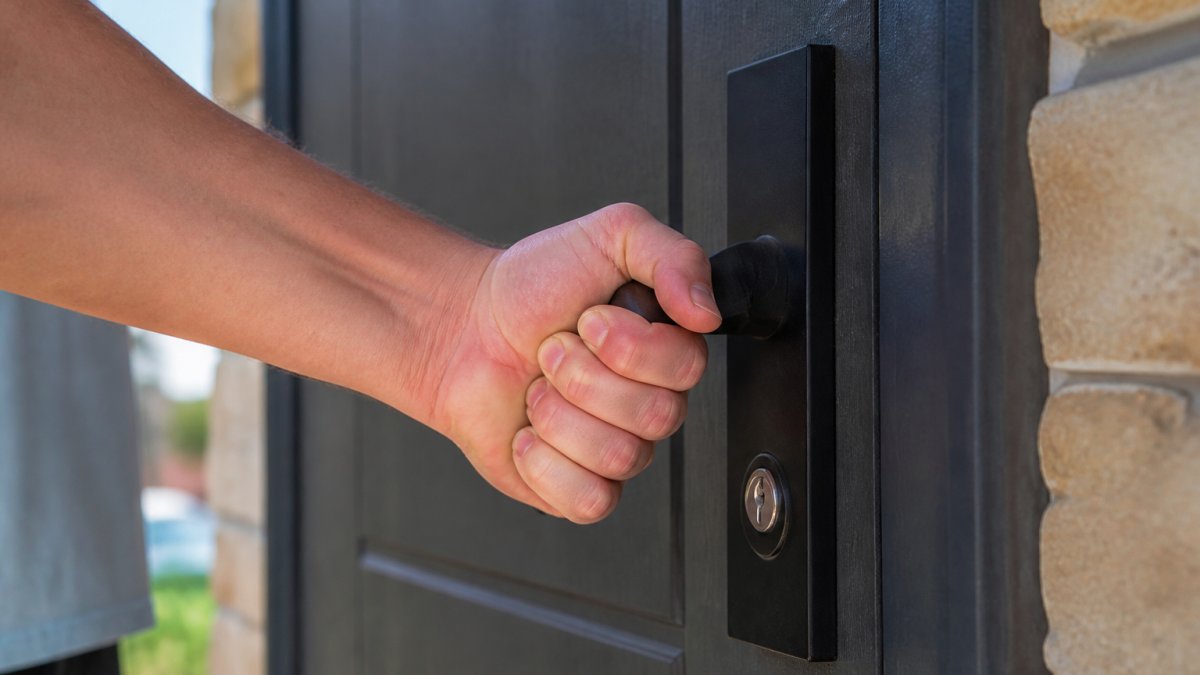
Try these quick checks:
- Does the door drag along the frame when you open it?
- Does it require multiple attempts to lock?
- Do you hear grinding or scraping sounds?
- Does it feel loose or wobbly in the frame?
If you answered yes to any of these, the door is past its prime. A new exterior door should operate smoothly every time.
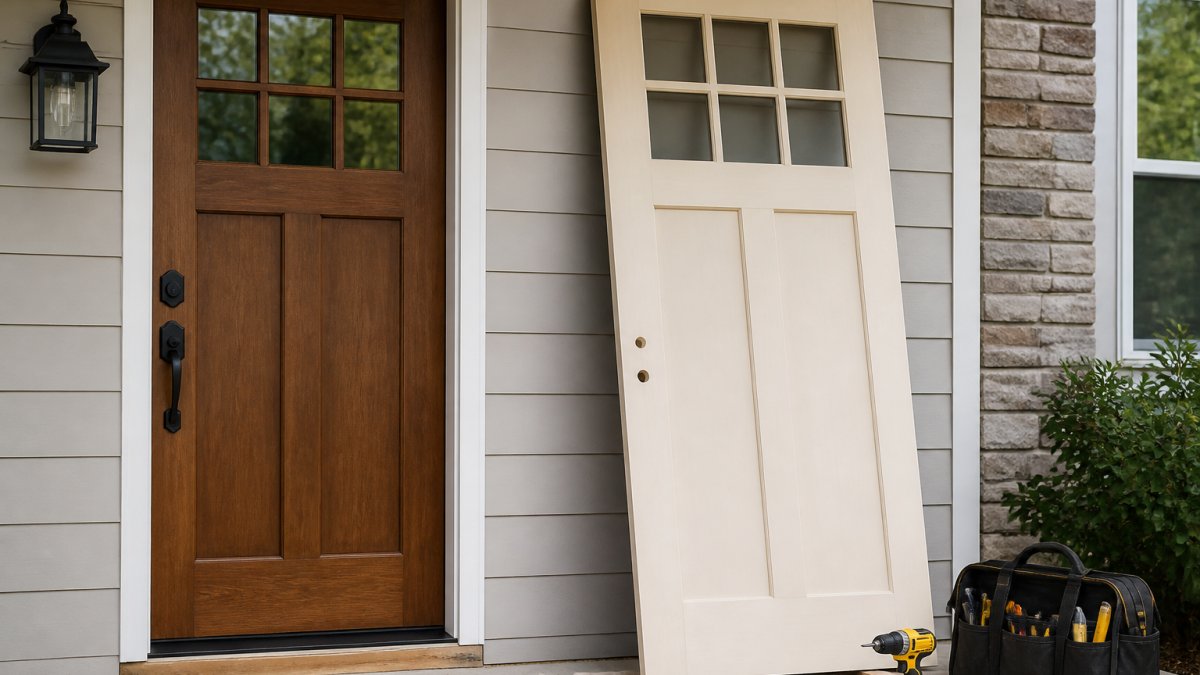
If you find rot, replacement is your only real option, rot compromises structural integrity, and a patched door won't last. A new exterior door installed properly with good drainage prevents the problem from recurring.
5. Poor Energy Efficiency and Rising Utility Bills
Your exterior door is a major source of heat loss in winter and heat gain in summer. An old, poorly sealing door works against your HVAC system, raising heating and cooling costs, but the more useful question is why, and what a replacement actually does differently. Thermal efficiency often hinges on the integrity of the entire building envelope, meaning that gaps around your frame might be compounded by the deteriorating condition of your new house siding.
What's actually happening
Heat moves through a door in three ways:
- Air leakage, gaps around the slab, threshold, and frame let conditioned air escape and outside air enter. This is usually the biggest single loss, and it's what weatherstripping and a proper threshold seal are designed to stop.
- Conduction, the door slab itself transfers heat. A solid wood door conducts far more than an insulated steel or fiberglass door with a foam core.
- Radiation, glass in the door lets radiant heat pass through. This is where glazing choices matter most.
A door can fail on any one of these while looking fine. "It feels drafty" and "my bills went up" are symptoms, not diagnoses.
The specifications that actually predict performance
When you shop for a replacement, these are the numbers worth comparing:
- U-factor, measures how much heat the door conducts. Lower is better. Insulated fiberglass and steel doors generally post lower U-factors than solid wood.
- Solar Heat Gain Coefficient (SHGC), measures how much solar heat passes through the glass. In hot climates you want a lower SHGC; in cold climates a moderate one can help.
- Visible Transmittance (VT), how much daylight comes through the glass. Higher VT means more light, but usually trades off against SHGC.
- Air leakage rating, expressed in cubic feet per minute per square foot of door area. Lower is tighter, and it most directly reflects weatherstripping and threshold quality.
- ENERGY STAR certification, the EPA and U.S. Department of Energy set climate-zone-specific criteria for doors. A door certified for one zone may not qualify in another, so match the certification to your region.
Signs your door is the problem, not your HVAC
Before blaming the door, rule out the system. These patterns point at the door:
- Bills climb gradually year over year with no change in thermostat habits
- One room, usually the one with the exterior door, is consistently colder or hotter than the rest
- You feel a temperature difference within a foot or two of the door on a still day
- The door's interior surface is noticeably cold in winter or hot in summer
- Your system short-cycles in the room nearest the door
If two or more apply, the door is a strong suspect. If the whole house is uncomfortable and bills are up everywhere, check the HVAC first, a new door won't fix an undersized or failing system.
What replacement realistically changes
A modern insulated door with proper weatherstripping, a sealed threshold, and low-E glazing reduces air leakage and conduction losses at that opening.
Treat energy savings as a real but partial benefit. The stronger case for replacement is comfort, sealing, security, and appearance, with lower operating cost as a supporting reason, not the whole argument.
(https://blog.arizonadoorstore.com/durable-exterior-doors-arizona-guide) last 15 to 30 years, depending on climate, materials, and maintenance.Wood doors need paint and sealant refreshed every few years. Fiberglass and steel need less upkeep but still age. Weatherstripping on any door eventually hardens and fails.
If your door is approaching 20 years old and showing any of the signs above, replacement is likely in your future.
Exterior Door Repair vs Replacement: When to Fix and When to Replace
Not every problem requires a full replacement. Sometimes repair makes sense. Sometimes replacement is the only smart choice.
Repair if:
- The problem is isolated (one broken hinge, damaged weatherstripping)
- The door structure is sound
- The damage is recent and minor
- The door is relatively new
- You plan to stay in your home only a few more years
Replace if:
- Multiple problems exist (sticking, drafts, visible damage)
- The door is 20+ years old
- Moisture or rot is present
- The frame is damaged or warped
- Repair costs approach 50% of replacement cost
- You're planning to stay long-term and want energy savings
Think about the total picture. One problem might be fixable. But if your door sticks, leaks air, shows damage, and is 25 years old, repair is throwing money away.
The Arizona Door Store team can assess your situation. We help you make the right call for your home and budget.
Exterior Door Replacement Cost and What Affects the Price
Replacement cost depends on door material, size, style, and installation complexity. Local labor costs vary too.
What affects your final price:
- Material: Steel, fiberglass, and wood each have different price points
- Size: Non-standard sizes cost more than standard doors
- Style: Basic designs cost less than custom or specialty doors
- Hardware: Locks, hinges, and handles add to the total
- Installation: Simple replacements cost less than complex jobs
- Frame condition: Damaged frames need repair before installation
For current pricing and a detailed quote, contact Arizona Door Store.
Quality matters when you're investing in a new exterior door. A cheap door that fails in five years costs more than a quality door that lasts 25.
Recognizing when you need a new exterior door protects your home from water damage, energy waste, and security risks.
Frequently Asked Questions
How can you tell if an exterior door needs to be replaced?
Look for difficulty opening or closing, visible cracks or peeling paint, drafts around the frame, warping or swelling, and moisture damage. If your door shows multiple signs, especially sticking combined with visible gaps or water intrusion, replacement is usually the better choice than repair.
How long do exterior doors typically last?
Most exterior doors last 15 to 30 years, depending on material and climate. Fiberglass and steel doors tend to last longer. Regular maintenance, sealing weatherstripping, repainting, and checking hardware, can extend the life of your door, but severe damage or energy loss signals it's time for a new exterior door.
Can a drafty exterior door be repaired, or does it need replacing?
Minor drafts from worn weatherstripping or loose seals can often be repaired by replacing the seals or adjusting the frame. However, if the door frame is warped, the door itself is cracked, or gaps are large enough to see daylight, replacement is typically more cost-effective. Repair costs add up quickly.
What are the benefits of replacing an old exterior door?
A new exterior door improves home security with modern locking hardware, boosts energy efficiency to lower utility bills, enhances curb appeal, and eliminates drafts and moisture problems. Newer doors also provide better noise reduction from outside traffic and weather. Energy-efficient exterior doors with proper insulation and weatherstripping keep your home more comfortable year-round while protecting against water intrusion and air infiltration.