 ultimate-guide
Low-E Glass for Doors: Benefits Explained
Table of Contents
- What Low-E Glass Is and How It Works for Doors
- How Low-E Glass Coatings Control Heat Transfer
- Energy Efficiency and Lower Heating and Cooling Costs
- UV Protection and Interior Fading Prevention
- Low-E Glass Benefits for Winter and Summer Performance
- Low-E Glass vs. Double-Pane Glass: Key Differences
- Low-E Glass Cost, Payback, and Factors Affecting Savings
- Selecting Low-E Glass for Your Door: Climate, Orientation, and Location
- Frequently Asked Questions
Last Updated: October 12, 2026
What Low-E Glass Is and How It Works for Doors
Low-E glass, short for low-emissivity glass, is an insulated glass unit with a special coating on one or more panes that controls heat movement. The coating reflects infrared radiation, the sun's heat, back outside in summer and reflects indoor heat back inside in winter. This selective thermal control is what makes low-E glass doors fundamentally different from standard double-pane glass.
The coating is typically made from microscopically thin metallic oxide layers applied to the glass surface. It allows visible light through while blocking most infrared radiation, so you see clearly through a low-E glass door while the glass manages heat transfer behind the scenes. It doesn't block all heat, it manages it based on coating type and direction.
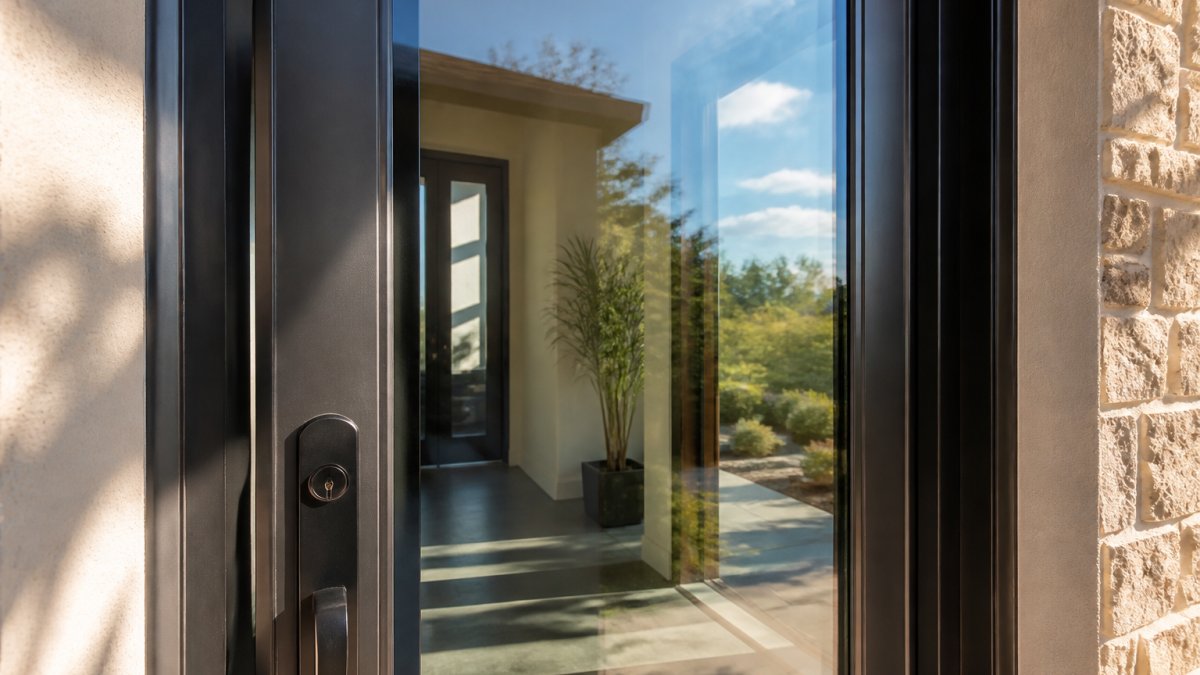
At Arizona Door Store, we help homeowners and contractors understand that low-E glass doors are an investment in long-term comfort and efficiency. The coating is permanently bonded to the glass, so it won't wear off or degrade like a film application. That permanence is why many Phoenix-area property owners choose low-E glass doors for interior and exterior applications, performance stays consistent year after year.
How Low-E Glass Coatings Control Heat Transfer
Heat transfer through glass happens via conduction, convection, and radiation (infrared energy). Low-E coatings target infrared radiation, the dominant form of heat transfer through windows and glass doors. By reflecting it, the coating reduces overall heat flow without compromising the glass's structural integrity or the view.
A low-E coating's effectiveness depends on its emissivity rating, a measure from 0 to 1 of how much infrared radiation the surface emits. A rating closer to 0 means it reflects most infrared energy rather than absorbing and re-emitting it as heat, hence "low-E." Different ratings affect performance in heating versus cooling climates.
There are two main types of low-E coatings: passive and solar control. Passive coatings, typically on the interior surface of the outer pane, retain heat indoors in winter. Solar control coatings, often on the outer surface, block solar heat gain in summer. Some doors combine both for year-round balance. Coating type and placement determine whether a low-E glass door performs better in heating- or cooling-dominant climates.
The insulating glass unit, the sealed space between panes, works with the low-E coating to enhance thermal performance. This air or argon-filled gap adds a thermal barrier that slows heat movement, making the door significantly more resistant to temperature fluctuations than either feature alone.
Energy Efficiency and Lower Heating and Cooling Costs
Low-E glass doors reduce the energy your heating and cooling systems use to maintain comfortable indoor temperatures. In winter, the coating reflects indoor heat back inside, so your furnace works less. In summer, it blocks solar heat gain, so your air conditioning doesn't have to cool as aggressively. Over a season, this translates to measurable reductions in energy consumption.
Actual savings depend on your climate, sun exposure, door size and number, and existing insulation. South- or west-facing doors typically save more because they receive more direct solar radiation, a large glass door on a sunny western wall shows more dramatic reduction than a north-facing door with minimal direct sun. That's why matching the low-E coating to your door's orientation matters.
Arizona Door Store can evaluate whether low-E glass doors make financial sense for your situation based on your climate, utility costs, and door specifications.
Beyond cost savings, low-E glass doors improve comfort by reducing cold spots and drafts near the glass. In winter, the interior pane stays warmer because less heat escapes; in summer, the glass stays cooler because less solar heat penetrates. This comfort improvement often feels as valuable as the energy savings, especially in homes with large glass doors.
UV Protection and Interior Fading Prevention
Ultraviolet (UV) radiation damages fabrics, artwork, flooring, and furniture by breaking down the chemical bonds that give materials their color, causing visible fading that accelerates in bright, sunny climates. Low-E glass doors block a significant portion of UV rays, protecting your interior furnishings and décor.
Standard clear glass blocks some UV naturally, but low-E coatings enhance this protection significantly: the metallic oxide layers absorb and reflect UV wavelengths before they pass through. This is especially valuable for south- or west-facing doors, where UV intensity is highest. Homeowners with valuable furniture, artwork, or hardwood floors appreciate the protection without sacrificing the view or natural light.
UV protection extends the life of interior materials, reducing refinishing, reupholstering, or replacement. Hardwood floors stay vibrant longer, leather resists color shift, and window treatments fade more slowly. For homes with large glass doors and high-value furnishings, this benefit alone can justify upgrading to low-E glass. Arizona Door Store works with homeowners who want to protect their interior investments while keeping natural light and outdoor views.
Low-E Glass Benefits for Winter and Summer Performance
Winter performance centers on heat retention. The coating reflects interior heat back into your home, reducing the temperature difference between indoor air and the glass surface. This keeps the interior pane warmer, reducing condensation and improving comfort near the door. In cold climates, condensation on glass doors can lead to mold and mildew around the frame; low-E glass significantly reduces that risk by maintaining a warmer interior surface.
Summer performance focuses on rejecting solar heat. The coating reflects much of the incoming solar radiation back outside before it transfers through the glass. This matters most for doors with large glass area or sun-exposed orientations. By blocking solar heat gain, low-E glass doors reduce the cooling load on your air conditioning, lowering energy use and improving indoor temperature stability.
The winter-summer balance varies by coating type. Passive coatings prioritize winter performance for heating-dominant climates; solar control coatings prioritize summer performance for cooling-dominant climates. Some coatings perform reasonably well year-round for regions with significant heating and cooling seasons. Selecting the right type for your climate maximizes the benefits relevant to your location and energy needs.
Low-E Glass vs. Double-Pane Glass: Key Differences
Double-pane glass consists of two panes separated by an air or argon-filled gap, creating an insulating layer that slows heat transfer compared to single-pane glass. However, standard double-pane glass without a low-E coating still allows significant infrared radiation through, especially in sunny climates, a difference that shows up when you compare heating and cooling costs.
Low-E glass is an insulated glass unit with two panes plus the specialized coating that controls infrared radiation, the key distinction. A standard double-pane door relies entirely on the air gap; a low-E glass door uses the air gap plus the reflective coating, creating a more comprehensive thermal barrier. The coating reduces radiant heat transfer, the dominant form of heat movement through glass in sunny or cold conditions.
| Feature | Standard Double-Pane Glass | Low-E Glass |
|---|---|---|
| Infrared radiation blocking | Minimal | Significant |
| Heat retention (winter) | Moderate | High |
| Solar heat rejection (summer) | Minimal | High |
| UV protection | Partial | Enhanced |
| Interior condensation risk | Higher | Lower |
| Visible light transmission | High | High |
| Cost | Lower | Higher |
| Long-term energy savings | Modest | Substantial |
The practical difference shows most clearly in extreme climates, very hot summers or very cold winters. In mild climates, the performance gap narrows. For doors in Arizona, where summer heat is intense and winters can still be cool, low-E glass typically delivers measurable benefits that justify the higher upfront cost. Standard double-pane glass is adequate for many applications, but low-E glass doors provide noticeably better temperature control and comfort.
Low-E Glass Cost, Payback, and Factors Affecting Savings
Low-E glass doors cost more upfront than standard double-pane doors. Pricing depends on door size, frame material, coating type, and whether you're replacing or installing new doors. Contact Arizona Door Store for a quote tailored to your project, our team provides accurate pricing based on your specifications and helps you understand the financial picture.
The payback period, how long energy savings take to offset the higher initial cost, depends primarily on climate, local utility rates, and sun exposure. Homes in hot climates with high cooling costs pay back faster, as do cold climates with high heating costs. More solar exposure means greater annual savings and faster payback.
Other factors include existing insulation, air sealing, and HVAC efficiency. A leaky, poorly insulated home sees larger absolute reductions from low-E glass doors, but those reductions may be less cost-effective than sealing air leaks first. A well-insulated, tight home maximizes the relative benefit because the door becomes a larger share of the total heat transfer path.
Beyond energy payback, comfort improvements, UV protection, and reduced condensation add value without a direct dollar figure. Many homeowners view these non-financial benefits as justification for the upgrade even when the strict energy payback is longer than they'd prefer.
Selecting Low-E Glass for Your Door: Climate, Orientation, and Location
Choosing the right low-E coating requires understanding your climate, the door's orientation, and its direct sunlight exposure. In heating-dominant climates with cold winters, passive coatings that retain heat perform best. In cooling-dominant climates with hot summers, solar control coatings that block solar heat gain are more effective. In climates with significant heating and cooling seasons, balanced coatings perform reasonably year-round.
Door orientation matters substantially. South-facing doors get the most winter sun, beneficial in heating climates, since solar heat gain reduces heating load, but also intense summer heat gain, which is problematic in cooling climates. West-facing doors receive afternoon sun during the hottest part of the day, making solar control coatings especially valuable. North-facing doors get minimal direct sun, so coating differences are less dramatic.
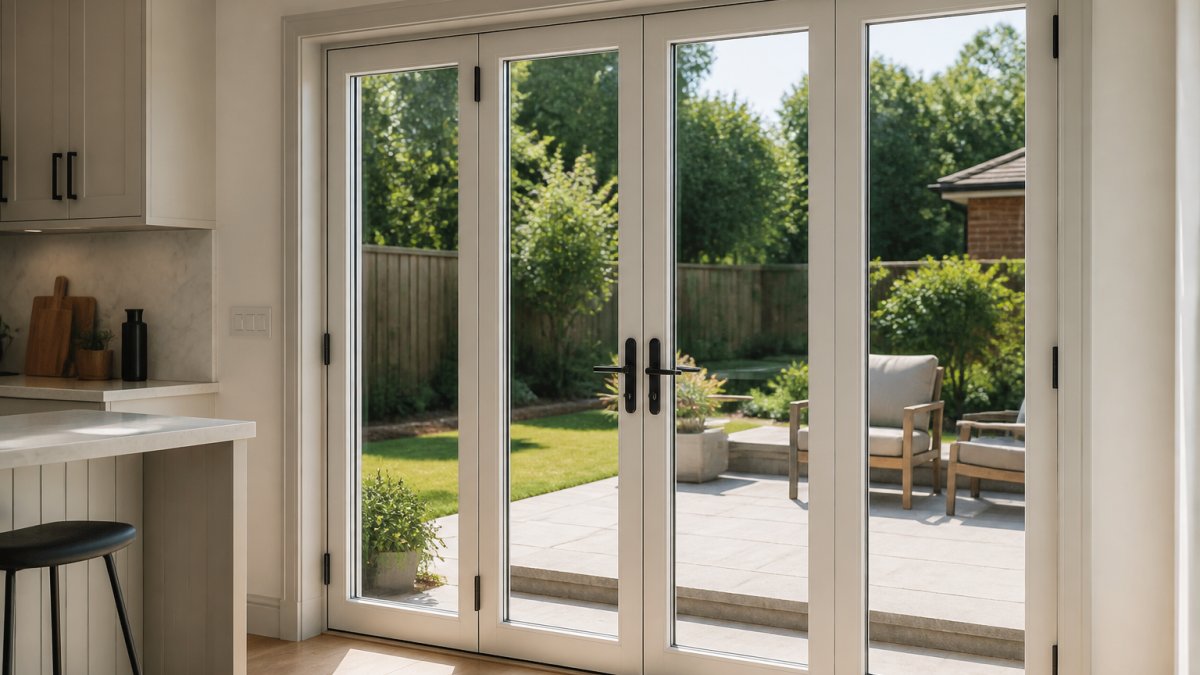
Door location, entry, patio, interior glass, or transom, affects how much thermal control matters. Large patio doors with extensive glass benefit more from low-E coatings than small entry doors with minimal glazing. Interior glass doors between climate-controlled spaces have different requirements than exterior doors facing outdoor temperature extremes.
Arizona Door Store helps contractors and homeowners navigate these selection decisions by evaluating your specific situation: your location within Arizona, your door's orientation, the size of the glazed area, and your climate control priorities. This personalized guidance ensures you select a low-E glass door that delivers the performance benefits most relevant to your needs, rather than overpaying for features that won't significantly impact your situation.
Selecting the right glass for your doors is one of the most effective ways to improve home comfort and reduce energy costs. Low-E glass doors deliver measurable benefits in heat retention, solar control, and UV protection, especially in Arizona's intense climate. At Arizona Door Store, we provide expert guidance on low-E glass options, help you understand payback timelines for your specific situation, and ensure you select doors that match both your performance goals and your budget. Contact our team in Scottsdale or Phoenix to discuss your door project and get personalized recommendations for low-E glass solutions.
Frequently Asked Questions
What is Low-E glass in a door?
Low-E (low-emissivity) glass is coated with a thin metallic layer that reflects infrared radiation while allowing visible light through. In doors, this coating reduces heat transfer between indoors and outdoors, helping maintain consistent indoor temperature year-round. The coating is invisible to the naked eye but significantly improves thermal performance compared to standard uncoated glass.
Does Low-E glass help keep a home cooler in summer?
Yes, Low-E glass reduces cooling costs by blocking solar heat gain. In summer, the coating reflects a portion of the sun's infrared radiation back outside, preventing unwanted heat from entering through doors. This is especially effective on doors with southern or western exposure, where solar heat gain is most intense. The reduction in cooling load directly lowers air conditioning energy consumption.
Is Low-E glass worth it for an entry door?
Low-E glass on entry doors is worth considering if you want to reduce energy consumption and protect interior furnishings from UV fading. The payback timeline depends on your climate, door orientation, and local energy costs. Doors with significant sun exposure or in climates with extreme temperatures see faster returns. UV protection benefits furniture and flooring immediately.
Does Low-E glass block UV rays?
Yes, Low-E glass blocks most ultraviolet (UV) rays, typically reducing UV transmission by 50-75% depending on the coating type. This protection prevents fading of carpets, upholstery, artwork, and wood floors inside your home. UV protection is one of the most immediate benefits of Low-E glass, regardless of climate or season, and helps preserve interior finishes and furnishings over time.