listicle
Wholesale Door Hardware for Contractors
Table of Contents
- Top Wholesale Door Hardware Suppliers for Contractors
- Bulk Door Handle Sets for Contractors
- ADA Compliant Door Hardware Requirements
- Durable Door Hardware Finishes for Desert Climates
- Locksets, Exit Devices, and Security Hardware
- Lead Times, Delivery, and Project Planning
- Why Choose a Local Wholesale Door Hardware Partner
- Conclusion
Last Updated: August 25, 2026
Top Wholesale Door Hardware Suppliers for Contractors
Finding reliable wholesale door hardware for Arizona contractors means understanding who supplies what, how quickly they deliver, and whether they understand local building requirements. Arizona Door Store stands out as a local partner built specifically for this market. As a family-owned business with design centers in Scottsdale and Phoenix, they've spent years learning the specific needs of contractors managing projects across the state. Their approach combines fast will call service with expert guidance on everything from bulk door handle sets to ADA compliance.
The wholesale door hardware landscape also includes national distributors, specialized commercial suppliers, and regional players, each bringing different strengths in speed, selection, and technical support.
Local Arizona Suppliers with Fast Delivery
Speed matters on job sites. Arizona Door Store operates will call service at both their Scottsdale and Phoenix locations, allowing same-day or next-morning pickup. For contractors managing multiple projects across the Phoenix metropolitan area and Tucson, this local access eliminates shipping delays and provides face-to-face consultation on product selection.
Trudoor operates a commercial door hardware distribution warehouse in Phoenix with extensive inventory of hinges, locks, door closers, and exit devices. They're an authorized distributor of major brands like Allegion and ASSA ABLOY, offering breadth of selection and manufacturer backing. Their online quote builder lets you configure products before visiting the showroom, and they offer hollow metal and wood door fabrication services for custom solutions.
Both suppliers understand that contractors need consistency, reliable delivery, and technical expertise on hardware compatibility. Local relationships also mean you can discuss project-specific challenges like installation in older homes with uneven floors or walls that aren't plumb.
National Distributors Serving Arizona Contractors
IDN (Integrated Electrical Services) operates over 50 locations nationwide and represents more than 300 manufacturers, giving them depth in door hardware and access control solutions. They maintain local product availability in Phoenix with strength in security-focused hardware and modern access control integration.
AORBIS positions itself as a single-source provider for Division 8 (openings) and Division 10 (specialties) solutions across Arizona. They stock wholesale doors, frames, architectural hardware, and specialty doors with expertise in Arizona's building codes and desert climate considerations.
Both national players offer quote-based pricing. Their buying power often translates to better pricing on large projects, especially for multiple units or full building retrofits.
Bulk Door Handle Sets for Contractors
Bulk ordering changes the economics of hardware procurement. Instead of buying individual locksets and door levers at retail prices, contractors access wholesale pricing that reflects volume discounts and direct manufacturer relationships.

Residential Grade vs. Commercial Grade Hardware
Residential-grade locksets typically carry an ANSI Grade 3 rating, designed for standard residential doors in homes and light-use commercial spaces (nist.gov). Commercial-grade hardware meets ANSI Grade 2 or Grade 1 standards (nist.gov). Grade 2 locksets like the Schlage AL-Series are built for high-traffic commercial applications, office buildings, retail spaces, and institutional facilities. They feature reinforced internal mechanisms, higher-quality materials, and integration into master key systems.
For contractors, the practical difference shows up in project specifications. A residential retrofit uses Grade 3 residential hardware. A commercial office building, retail storefront, or institutional facility requires Grade 2 minimum. Using residential hardware in a commercial application creates liability and code violations.
Bulk pricing reflects these differences. Residential-grade door handle sets cost less per unit because they're simpler to manufacture. Commercial-grade hardware commands higher wholesale prices because of manufacturing complexity, testing requirements, and built-in security features. When ordering for a commercial project with mixed spaces, you need both grades, and your wholesale supplier should help you navigate which hardware goes where.
Contractor Procurement Workflows and Pricing
The most efficient contractors don't buy hardware piece by piece. They work with suppliers who understand their typical project mix and can quote bulk orders based on project specifications. Arizona Door Store works with contractors to understand their common project types and maintains pricing that reflects that volume.
Procurement typically follows this pattern: receive project specifications, determine required hardware based on door type and security level, request a bulk quote, and place an order with a delivery or will call pickup date. Wholesale pricing for bulk door handle sets depends on grade, product line, finish options, and order quantity. Your supplier should be transparent about how pricing scales with volume and whether they offer tiered pricing for contractors who place multiple orders throughout the year.
ADA Compliant Door Hardware Requirements
Commercial projects in Arizona must comply with the Americans with Disabilities Act Accessibility Guidelines (ADA AG), which sets specific requirements for door hardware, operation, and accessibility. Understanding these requirements prevents costly rework and ensures projects pass final inspection without delays.
Accessibility Standards for Commercial Projects
ADA compliance for door hardware focuses on several key requirements. Door handles and levers must be operable with a closed fist, meaning round knobs that require twisting are not compliant, but lever handles are (ada.gov). Hardware must require no more than 5 pounds of force to operate and be mounted between 34 and 48 inches above the finished floor. Operation must not require simultaneous use of both hands or fine motor control.
For fire-rated doors and exit devices, ADA compliance becomes more complex. Panic bars and exit devices must meet both ADA accessibility and fire code requirements. Electronic locks must have manual overrides that meet ADA requirements. A qualified supplier understands these overlaps and can recommend hardware that satisfies both standards.
Hardware Specifications for Code Compliance
Arizona's building code incorporates the International Building Code (IBC) with state amendments. Fire-rated doors require fire-rated hardware, hinges, locks, and closers all rated for the same fire rating as the door itself. Using non-rated hardware on a fire-rated door voids the door's rating and creates a code violation. Doors serving as emergency exits require specific exit devices that meet code requirements for quick egress under emergency conditions.
Your wholesale supplier should help you interpret these requirements based on project specifications. A good supplier asks clarifying questions rather than guessing, catching potential compliance issues before they become problems on site.
Durable Door Hardware Finishes for Desert Climates
Arizona's desert climate creates specific challenges for door hardware. High heat, intense UV exposure, and low humidity accelerate corrosion and material degradation on hardware that wouldn't face the same stress in other climates.

Heat and UV Resistance in Hardware Selection
Brass and bronze finishes oxidize faster under intense UV exposure. A polished brass finish on a south-facing exterior door in Phoenix will develop a dark patina within months. For high-end residential projects where finish consistency matters, this is important to discuss with the homeowner upfront.
Stainless steel hardware resists corrosion better than most alternatives in desert climates. 300-series stainless steel handles UV exposure well and doesn't oxidize like brass. The trade-off is cost; stainless steel hardware typically costs more. For commercial projects or residential properties where durability matters more than aesthetic patina, stainless steel is the practical choice.
Powder-coated finishes provide UV protection by creating a protective layer over the base metal. A quality powder coat can extend hardware life significantly in desert conditions, though coatings can chip or peel if hardware experiences impact, exposing the base metal underneath.
Finish Options for Long-Term Performance
Standard finish options include polished chrome, satin chrome, oil-rubbed bronze, polished brass, satin nickel, and matte black. In Arizona's climate, satin finishes generally outperform polished finishes because they're less prone to showing water spots and oxidation patterns. Matte finishes hide dust and minor corrosion better than shiny finishes.
For exterior doors and hardware exposed to direct sunlight, avoid finishes that are purely decorative without corrosion protection. Contractors working on projects in Scottsdale and Phoenix should discuss finish selection with their supplier, especially for visible hardware on high-end residential projects.
Locksets, Exit Devices, and Security Hardware
Security hardware encompasses multiple product categories, each serving specific functions. Deadbolts provide residential security, commercial locksets integrate into master key systems, and exit devices manage emergency egress.
Deadbolt sets like the Kwikset SmartCode Traditional Electronic Deadbolt offer keyless entry and smart home integration for residential properties. Commercial-grade locksets like the Schlage AL-Series Grade 2 Lock are built for institutional use in offices, retail spaces, and healthcare facilities, integrating into master key systems with higher durability for frequent daily use.
Exit devices, panic bars and crash bars, are required on doors serving as emergency exits. These devices must release the door immediately when pushed, allowing rapid egress during emergencies. Fire-rated exit devices must maintain the fire rating of the door they're installed on. Fire-rated hardware and electrified hardware represent specialized categories requiring careful specification to ensure code compliance.
Lead Times, Delivery, and Project Planning
Hardware delays kill project timelines. Understanding supplier lead times and delivery options prevents these delays and keeps projects moving.
Will Call Service and Local Delivery Options
Will call service means you place an order and pick it up at the supplier's location on a specific date. Arizona Door Store offers will call service at both Scottsdale and Phoenix locations, giving contractors flexibility for projects across the metropolitan area. Local delivery service works for contractors managing multiple projects or larger orders, with Arizona Door Store delivering to Scottsdale, Phoenix, and Tucson. A supplier with local warehouse inventory can often deliver within 24-48 hours.
Hardware Compatibility and Installation Support
Hardware compatibility becomes complex with custom doors, older doors with non-standard preparations, and doors with specific fire ratings or accessibility requirements. A good supplier helps you think through compatibility before you order.
Standard residential doors have consistent hole preparations for locksets and hinges. Custom or specialty doors sometimes require hardware ordered to match specific configurations. Arizona Door Store provides expert guidance on product selection and can help contractors think through installation challenges in older homes. Trudoor offers fabrication services for custom doors, preparing them to your specifications before delivery.
Why Choose a Local Wholesale Door Hardware Partner
Wholesale door hardware for Arizona contractors isn't just about price, it's about reliability, expertise, and the ability to solve problems quickly. A local partner like Arizona Door Store understands the specific challenges contractors face: the desert climate's impact on hardware finishes, Arizona's building code requirements, and the timeline pressures of managing multiple projects across the state.
Local suppliers maintain inventory specifically chosen for regional demand. They understand which hardware finishes perform well in Arizona's climate and can guide you toward hardware that meets code requirements without requiring rework. They offer will call service that eliminates shipping delays and provides face-to-face consultation when you need it.
The relationship between a contractor and their hardware supplier matters more than it appears at first. When you work with a supplier who knows your typical projects, understands your timeline preferences, and can quote accurately based on your specifications, you're buying efficiency. You're reducing time spent on procurement decisions, minimizing the risk of ordering wrong products, and ensuring material delays don't derail your projects.
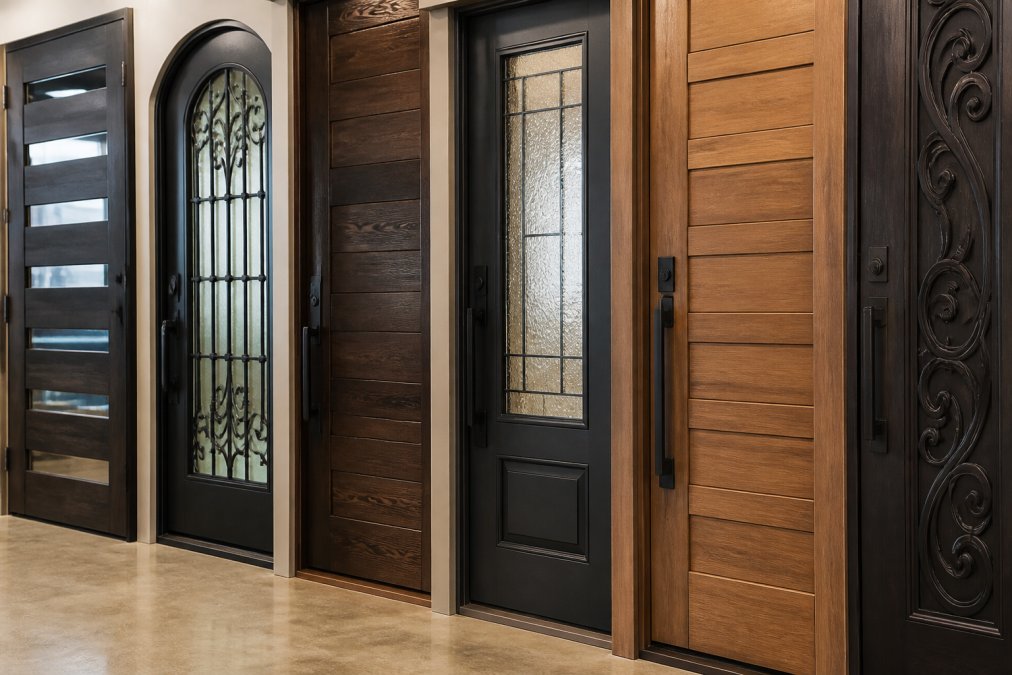
Arizona Door Store's family-owned approach means you're working with people who've built their business on contractor relationships. They've invested in design centers in Scottsdale and Phoenix because they understand that contractors need to see products in person, compare finishes side by side, and discuss technical questions with someone who understands their challenges.
Choosing a wholesale door hardware supplier comes down to three questions: Can they get you what you need on your timeline? Do they understand the technical requirements of your projects? Are they easy to work with when problems arise?
Arizona Door Store answers yes to all three. Their local inventory and will call service eliminate shipping delays. Their expertise in Arizona's building codes and desert climate conditions prevents specification mistakes. Their commitment to personalized service means you're not navigating procurement alone. For contractors managing projects across the Phoenix metropolitan area and Tucson, that combination of speed, expertise, and reliability is worth the conversation. Visit Arizona Door Store's design centers in Scottsdale or Phoenix to see their wholesale door hardware selection firsthand and discuss your project requirements with their experienced team.
Frequently Asked Questions
Q: What types of door hardware are essential for residential vs. commercial builds?
A: Residential projects typically require passage levers, deadbolt sets, and hinges in aesthetic finishes. Commercial builds demand Grade 2 or Grade 1 locksets, door closers, exit devices, and fire-rated hardware. Commercial-grade hardware withstands higher traffic and meets stricter security and safety codes. Contractors sourcing wholesale door hardware need to specify the application to ensure compliance and durability.
Q: How do I ensure door hardware meets local building codes?
A: Verify that hardware meets ADA compliance standards for accessibility, including lever design and force requirements. Check fire-rated door hardware specifications if your project involves fire-rated doors. Consult local building departments or work with suppliers familiar with regional codes. Many wholesale door hardware distributors have expertise in local regulations and can guide you through compliance requirements.
Q: What are the benefits of buying bulk door handle sets for contractors?
A: Bulk purchasing reduces per-unit costs significantly, allowing contractors to improve project margins. Ordering in volume ensures consistency across projects and simplifies procurement. Many wholesale suppliers offer contractor packs with coordinated hardware, hinges, and accessories. Bulk orders also qualify for faster lead times and dedicated account support from experienced consultants.
Q: Are there specific finishes that perform better in high-heat climates?
A: Durable door hardware finishes for desert climates should resist UV fading and heat expansion. Stainless steel and powder-coated finishes outperform standard brass in intense sun exposure. Satin and matte finishes hide fingerprints better than polished options in dusty environments. Test hardware samples in direct sunlight before committing to large orders, and consult suppliers about climate-specific recommendations for your region.
This article was written using GrandRanker