 Comparison
Are Pivot Hinges Worth It for Oversized Entry Doors?
Last Updated: November 16, 2026
Quick Summary
Pivot hinges are worth it when an entry door is oversized or very heavy, because the bottom pivot carries the load into the floor instead of the side jamb. They suit large, heavy slabs, but they need solid floor and header support, careful clearance planning, and a qualified installer.
- Oversized entry doors often weigh 150 pounds or more.
- Pivot hinges move the support point to the center, so weight travels down the axis.
- Butt hinges still suit most standard interior and exterior doors.
- Rated capacity depends on hardware model, door construction, dimensions and pivot offset.
- Pivot doors often leave less clear passage than a hinged door of the same opening.
Table of Contents
- Pivot hinges versus traditional butt hinges
- Benefits of Pivot Hinges for Heavy and Oversized Doors
- Pivot Door Weight Capacity and How Load Is Distributed
- Pivot Door Size Limits and Usable Clear Opening
- Pivot Doors for Exterior Entries: Weather, Security and Installation
- The Pros and Cons of Pivot Doors for Oversized Openings
- Deciding Whether a Pivot Hinge Setup Fits Your Entry Project
- Frequently Asked Questions
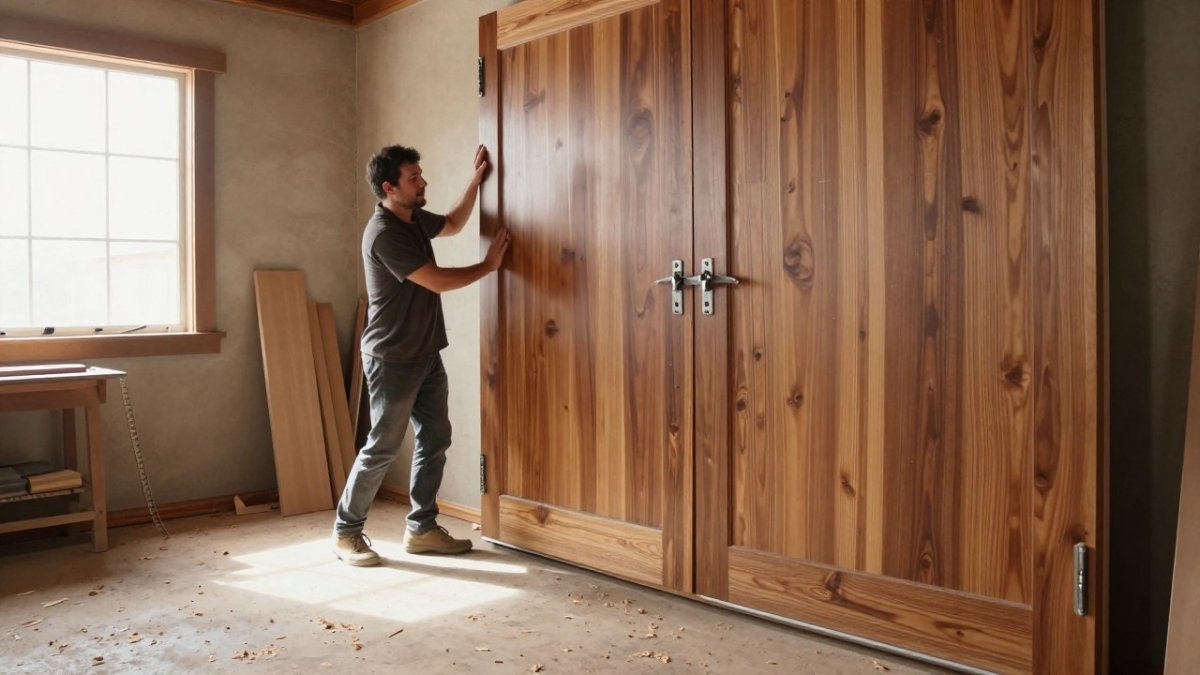
Oversized entry doors often weigh 150 pounds or more, and standard side-mounted hinges were never designed to carry that load alone. Pivot hinges are used more and more on large front doors, especially in homes with tall entries and wide openings. This guide explains how pivot hinges work, when they make sense, and where they fall short, so you can decide whether they are worth it for your project.
A pivot hinge replaces the side hinges with a single rotating axis, usually a top pivot and a bottom pivot set along a vertical line. Instead of relying on the door frame to hold the full weight, the bottom pivot carries much of the load into the floor. That distinction matters more than most buyers expect.
Pivot hinges versus traditional butt hinges
Traditional butt hinges mount along the edge of the door and rely on the jamb and header to share the weight. Over time, a heavy slab can pull the hinge side down, causing sagging, rubbing at the head, and a door that no longer closes cleanly. Pivot hinges move the support point to the center of the door, so the weight travels down the axis instead of pulling against the frame.
Butt hinges are still the right choice for most standard interior and exterior doors. They are simpler to install and easier to find replacements for. Pivot hardware earns its place when the door is large, heavy, or both.
Benefits of Pivot Hinges for Heavy and Oversized Doors
The main benefit is load handling. Because the door rotates around a central axis, a heavy panel no longer depends on one tall hinge side to stay square.
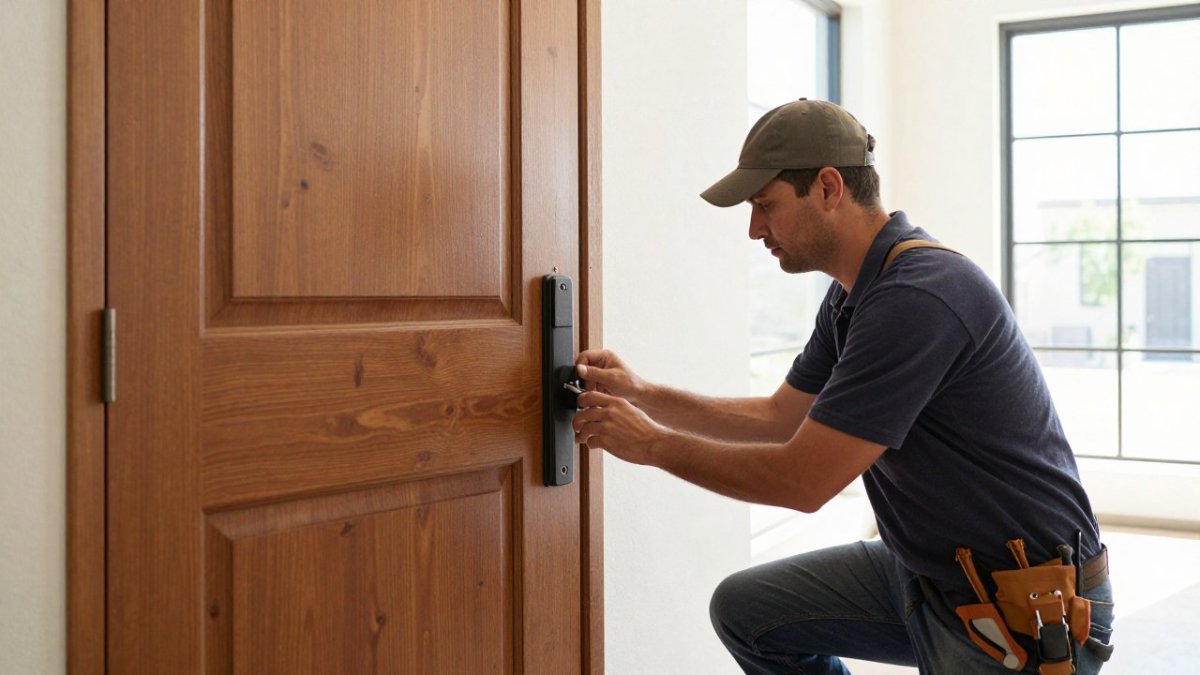
Pivot systems also support a distinctive look. A pivot door can open wider without a visible hinge line on the side, which suits modern and architectural entries. Be aware that the look comes with trade-offs in clearance and installation, which we cover below.
Pivot Door Weight Capacity and How Load Is Distributed
Weight capacity is not a single number you can look up for "pivot doors." It is a system rating that changes with four variables: the pivot hardware model, the door's material and construction, the door's dimensions, and the pivot offset (how far the axis sits from the door's edge). Most manufacturers publish a rated capacity per pivot set, often expressed as a maximum door weight and a maximum door width, and that rating assumes the floor and header are built to the hardware maker's specification. Ask for the rated capacity in writing, and confirm that the rating applies to your exact door size, not just the hardware alone.
Here is how each variable moves the number:
- Hinge model. A light-duty residential pivot set and a heavy-duty commercial set can differ by hundreds of pounds of rated capacity. The bearing design, sleeve versus thrust bearing, and the pin diameter are the usual dividing lines. A common pattern is that heavier-rated sets use a larger bottom pivot with a thrust bearing to carry vertical load and a smaller top pivot that only guides alignment.
- Door material and construction. A solid wood slab, a steel slab, and a composite or engineered-core slab of the same dimensions weigh very different amounts. A hollow-core or thin-panel door may meet a width limit but fail a stiffness requirement, because a flexible panel can rack against the pivot line even when the hardware is rated for the weight.
- Dimensions. Capacity falls as the door gets wider and taller. A wider door increases the moment arm at the pivot, and a taller door increases the leverage the panel applies to the top pivot and header. Manufacturers usually publish a maximum width and a maximum height separately, and the lower of the two governs.
- Pivot offset. Moving the pivot axis toward the center of the door reduces the force needed to swing it but increases the load the bottom pivot must carry and the clearance the door needs. Moving the axis toward the edge does the opposite. The offset is a design choice, not a free one, it trades swing effort against load and clearance.
Load distribution is where pivot systems differ most from butt hinges. A butt-hinged door hangs its weight on the jamb and header through the hinge leaves. A pivot door sends most of the vertical load straight down the axis into the bottom pivot and then into the floor framing. The top pivot mostly resists lateral movement and keeps the door plumb. That means the subfloor and any framing beneath the threshold must be solid and continuous, not just a finished floor over a crawl space.
Watch out: a hardware rating is a ceiling, not a guarantee. If the floor framing under the threshold is not built to the pivot maker's detail, the door can exceed the real-world capacity long before it exceeds the published number.
Pivot Door Size Limits and Usable Clear Opening
Size limits come from two places: the hardware's published maximums and the opening's geometry. Manufacturers typically state a maximum door width and a maximum door height for each pivot set, and the lower limit governs. But the number that matters at the doorway is not the door size, it is the clear opening you actually get when the door is open, and that is where pivot doors behave very differently from hinged doors.
A pivot door swings on a central or offset axis, so part of the panel sweeps inward and part sweeps outward relative to the pivot line.
Pivot position drives the trade-off:
- Center pivot. The axis sits near the middle of the door. Swing effort is low and the door feels balanced, but the panel sweeps into the room on one side and out on the other, so you need clearance on both faces. Clear passage at 90 degrees is usually the smallest of the three common layouts.
- Offset pivot toward the hinge side. The axis sits closer to one edge. The door behaves more like a hinged door, with more of the panel swinging to one side, which can preserve more clear width, but swing effort rises and the bottom pivot carries more load.
- Offset pivot toward the center. The axis moves inward from the edge. Swing effort drops further, but the panel projects farther into the room and the clear opening shrinks.
For an oversized entry door, measure the clear opening you need, not the frame size. A common pattern is to start with the widest piece of furniture or equipment that must pass through, a sofa, an appliance, a piece of medical equipment, and add a few inches of hand and knuckle clearance on each side.
Circulation matters too. A pivot door's swing path crosses the floor in an arc, and that arc can conflict with a closet door, a stair landing, or a piece of built-in furniture. On an exterior entry, the outward sweep also has to clear steps, porches, and landscaping. Plan the swing path on paper at full scale before you order hardware.
Accessibility is part of the same geometry. Opening force rises with door weight and with how far the pivot sits from the edge, and a heavy oversized panel can be hard for children, older adults, or anyone using a mobility device to start moving. A door closer or power operator can help, but it adds cost and hardware.
Watch out: a door that meets the hardware's maximum width can still fail the clear-opening test. Confirm the open-position clear width, not just the rough opening, before the frame is built.
The table below summarises how pivot position changes the clear passage you get through an oversized entry.
| Pivot layout | Swing effort | Clear opening note |
|---|---|---|
| Center pivot | Low | Smallest clear passage; needs clearance both sides |
| Offset toward hinge side | Higher | More clear width; bottom pivot carries more load |
| Offset toward center | Lowest | Panel projects farther; clear opening shrinks |
Pivot Doors for Exterior Entries: Weather, Security and Installation
Exterior pivot doors need weather sealing at the head, threshold, and along the pivot line. Because the door does not sit tight against a side jamb in the same way, the seal design matters. Ask about weatherstripping specifically designed for pivot systems.
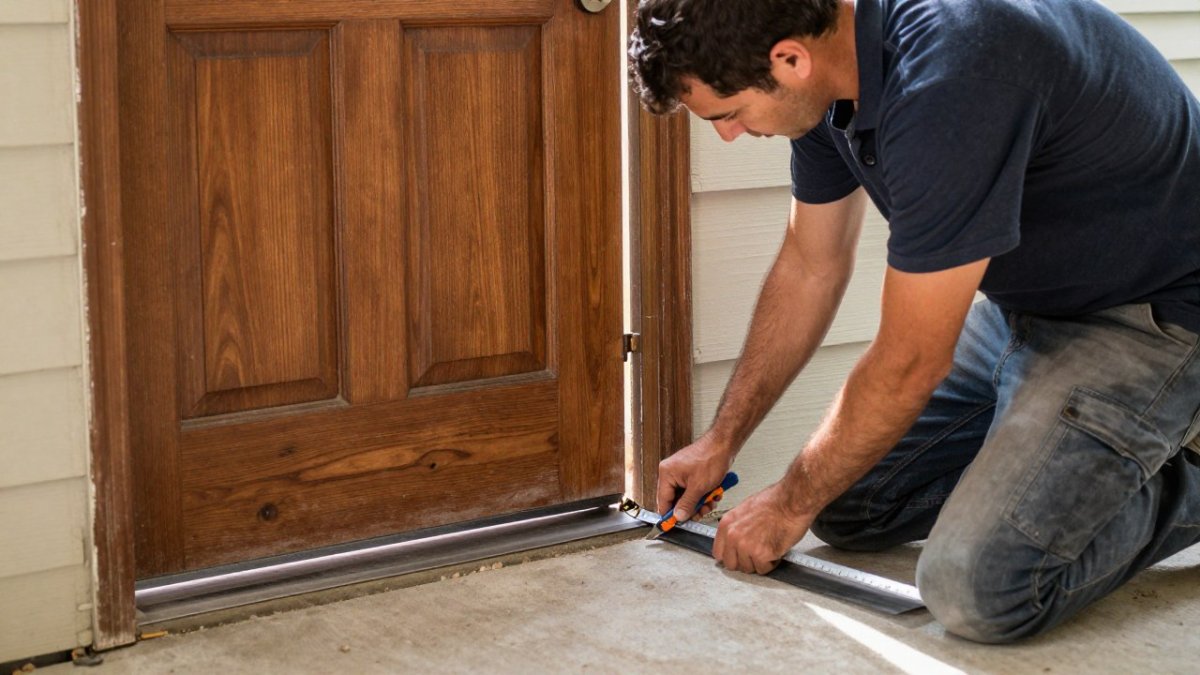
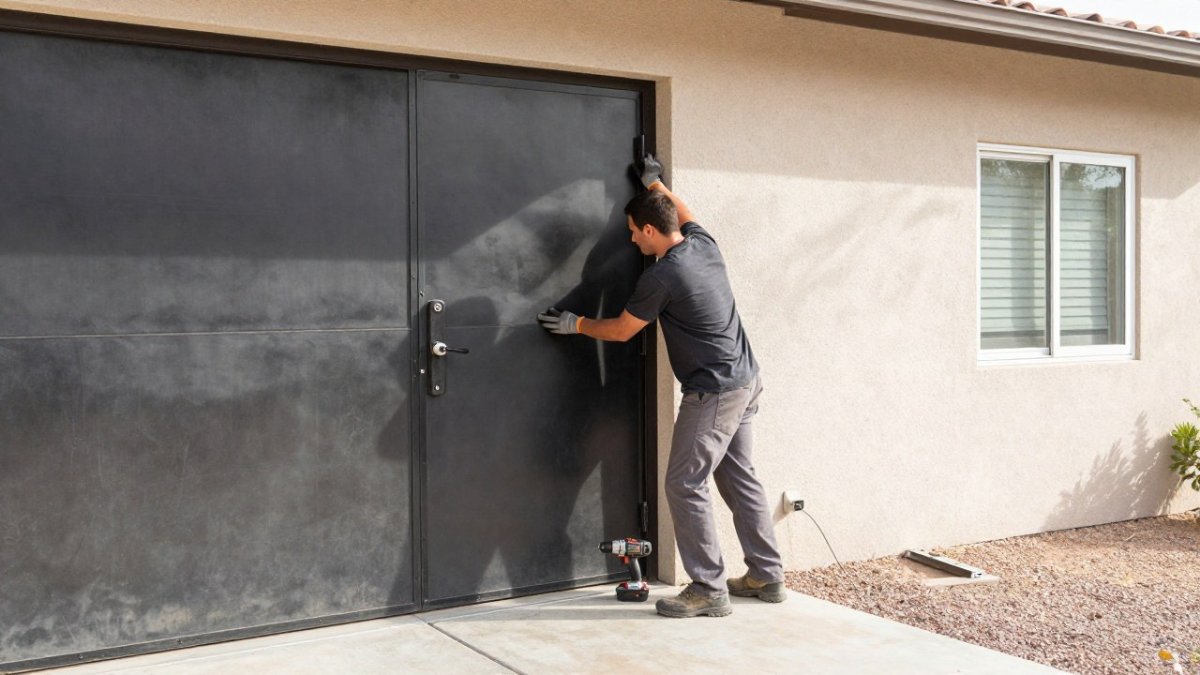
Installation is more demanding than a standard hinged door. The pivot pins must align precisely with the floor and header, and the floor reinforcement must be in place before the door is hung. Plan for a qualified installer, and check the locking hardware for compatibility with the pivot mechanism. Learn what happens when a door is not installed correctly and why alignment matters so much.
The Pros and Cons of Pivot Doors for Oversized Openings
Pros:
- Carries large, heavy doors without depending on the side jamb
- Reduces sagging and binding over time on oversized slabs
- Creates a clean, modern appearance with a central axis
- Can open wider than a standard hinged door in some configurations
Cons:
- Requires solid floor and header support, which may need reinforcement
- Installation is more complex and costs more than standard hinges
- Clearance and swing geometry must be planned carefully
- Replacement parts can be harder to source than butt hinges
Deciding Whether a Pivot Hinge Setup Fits Your Entry Project
Start with the door itself. If it is oversized, heavy, or both, and you have a solid floor and header to support it, pivot hinges are worth serious consideration. If the door is standard size and weight, traditional butt hinges will usually serve you well at lower cost and complexity.
For most projects, the decision comes down to three checks: the door's weight and dimensions, the strength of the floor and header, and the clearance you need. To compare fiberglass, steel and wood front entry doors on heat resistance, security and cost, review that guide before you settle on a material. Work through those with your installer before ordering. If you would like help matching pivot hardware to your door size, contact the Arizona Door Store team, who can review your specifications and point you to the right options.
Frequently Asked Questions
What are the downsides of pivot doors?
Pivot doors can cost more to install than standard hinged doors because they need reinforced framing and precise alignment. For current prices, visit the Arizona Door Store website or request a quote. They also swing on a central axis, which means the door takes up more clearance when opening and may not fit tight entries. Weatherstripping and threshold choice matter for exterior use. Homeowners should confirm swing direction and clearance before ordering.
How wide can a pivot door be?
Maximum width depends on the door's weight, the pivot hardware rated for that load, and the framing that receives the top and bottom pivots. Pivot hardware is designed for large, heavy panels that would sag on side hinges, so wide openings are a common reason to choose a pivot system. Check the manufacturer's stated size limits for the specific hardware and confirm the opening with your installer before ordering.
How much weight can a pivot door hinge hold?
Pivot hinge capacity is set by the manufacturer for each hardware line and is listed as a maximum door weight. Because pivot systems carry load on a floor-mounted pivot rather than the jamb, they can support heavier doors than conventional butt hinges. Always confirm the rated capacity against the finished weight of the door, including glass, hardware, and any custom finish.
Do oversized pivot doors need special hardware?
Yes. Oversized pivot doors need pivot hardware rated for the door's weight and size, a properly reinforced floor and header, and precise alignment of the top and bottom pivot points. Standard hinges are not designed to carry this load on a large door. Specialized pivot hardware transfers weight to the floor, which reduces sagging and stress on the frame. Ask your supplier to confirm the hardware rating before ordering.